Customs
Deployment of NCTS Phase 6 – Next step in the modernization of customs and transit procedures

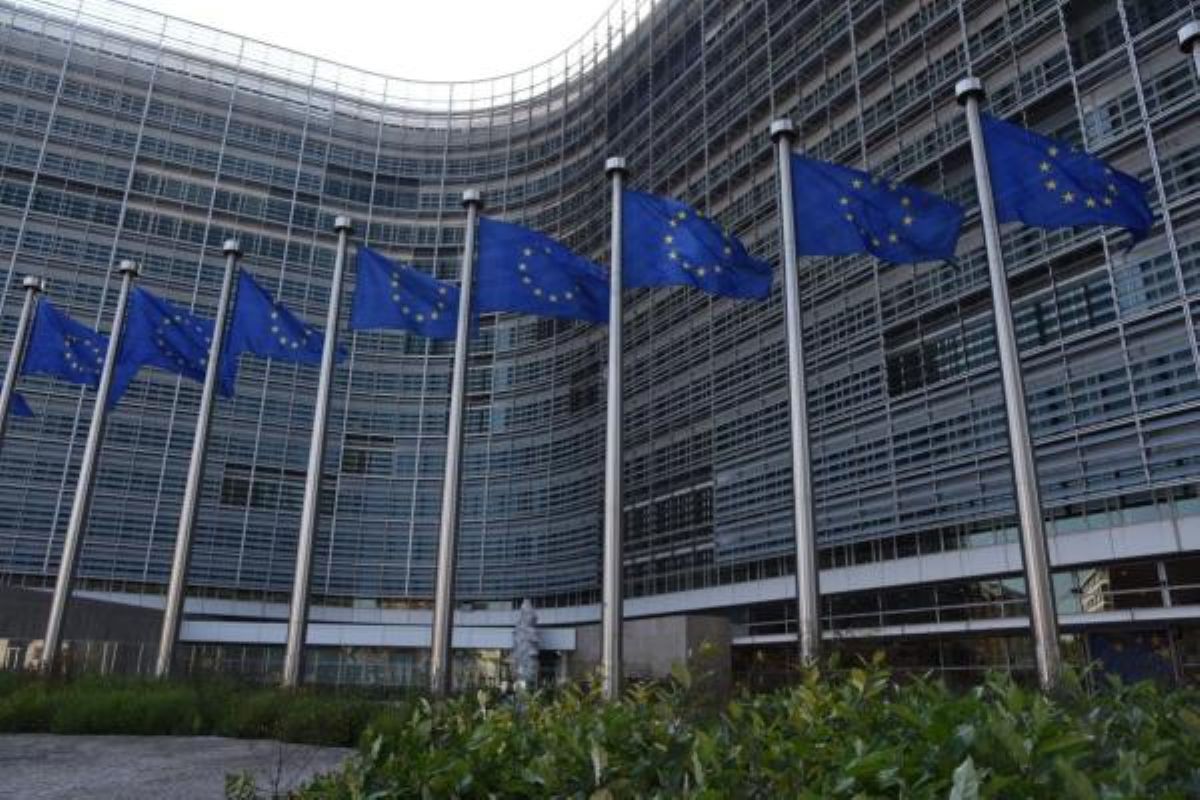
The rollout of Phase 6 of the New Computerized Transit System (NCTS), now in use across the 27 EU member states and the countries of the Common Transit Convention, marks a major step forward in the digital modernization of customs and transit procedures across 41 participating countries.
Efficient transit procedures are essential to keeping supply chains moving, ensuring goods remain available on shelves, and supporting jobs and growth. At the same time, integrating transit with safety and security screening strengthens customs’ ability to prevent unsafe or illicit goods from entering the EU.
The upgrade enables economic operators to submit, at the same time and through a single channel — the NCTS Phase 6 system — both a transit declaration and pre-arrival safety and security data for entry into the Safety and Security Area (SSA), in line with Import Control System 2 (ICS2) requirements.
This brings important benefits for both businesses and customs authorities. NCTS Phase 6 offers two options, and it is for the customs authorities in the participating countries to decide which one to implement:
- Opt-out: Entry Summary Declaration (ENS) particulars are not included in the transit declaration. Instead, the ENS is lodged directly in ICS2.
- Opt-in: ENS particulars are included in the transit declaration, and NCTS Phase 6 is connected to ICS2 to ensure that ICS2 requirements for ENS business processes — such as risk analysis, control recommendations and decisions — are fully met.
It should be noted that only complete ENS declarations can be lodged together with the transit declaration. Countries may also choose to move from opt-out to opt-in at a later stage. An overview of the choices made by each country is available in the NCTS Phase 6 State of Play.
Advantages for NCTS-P6 Opt-in
For businesses
For businesses, the opt-in model means faster processing and shorter clearance times, helping goods move more quickly and reducing delays. By allowing traders to use a single declaration in a single system, it simplifies procedures and saves time and resources. Improved data validation also helps to minimise errors and reduce the risk of penalties. In addition, businesses benefit from greater transparency and traceability of consignments, giving them better visibility throughout the transit process and supporting planning and supply chain management.
For customs authorities
For customs authorities, Phase 6 strengthens oversight and improves risk management, making it easier to identify and address potential issues quickly. Greater automation reduces the administrative burden on customs officials, allowing them to focus more effectively on higher-risk consignments while facilitating compliant trade.
A broader vision for modernising customs
The successful deployment of NCTS Phase 6 is the result of close cooperation between customs administrations, economic operators and the European Commission. It reflects a shared commitment to modernising transit procedures and strengthening the EU’s digital customs environment.
This milestone is part of a broader effort to make EU customs more modern, efficient and fit for the future. The implementation of NCTS Phase 6 contributes to the EU’s wider digital customs agenda. Through this digital transformation, the EU is moving towards a comprehensive customs reform that will replace traditional declarations with a smarter, data-driven approach to import supervision. At the same time, customs authorities will have the tools and resources they need to better assess and stop imports that pose genuine risks to the EU, its citizens and its economy.
New Computerized Transit System (NCTS)
Share this article:
EU Reporter publishes articles from a variety of outside sources which express a wide range of viewpoints. The positions taken in these articles are not necessarily those of EU Reporter. Please see EU Reporter’s full Terms and Conditions of publication for more information EU Reporter embraces artificial intelligence as a tool to enhance journalistic quality, efficiency, and accessibility, while maintaining strict human editorial oversight, ethical standards, and transparency in all AI-assisted content. Please see EU Reporter’s full A.I. Policy for more information.



Albania could conclude EU accession talks by 2027, but must reverse reform slowdown

Europe and China can build a fairer trading relationship through cooperation

Montenegro first in line for EU enlargement, accession treaty could be signed in June 2027

Commission defends targeted 2027 work programme as focus shifts to delivery

Household electricity prices ease in 1st half of 2026

More than 200 businesses urge von der Leyen to rethink EU tobacco rules

Kazakhstan’s AI ambitions open a new chapter in its economic ties with Europe

EU household gas prices decrease in first half of 2026

Victory Day in the “Year of Urban Planning and Architecture”

Azerbaijan’s Victory Day: November 8

How Russian Developers Manage Western Sanctions and why

Gender equality week: Women in leadership

MEPs push for continued engagement and concrete results on trade with China

EU Maritime Security Strategy: Joint report highlights progress

Eligibility to publish in Open Research Europe without fees expands to researchers in 11 countries

Commission launches public consultation on making products easier to repair

Kazakhstan reforms under scrutiny at Brussels Press Club round table

Japan should face up to history and contribute more to regional peace

Ambassador calls for 'speeding up' of co-operation between EU and Kazakhstan

Timur Turlov at Smart Moves Summit 2025: How chess can transform global education

Shevtsova’s case: Out-of-court sanctions dismantling trust in Ukrainian cause

The future of European transport

Trump Vs Trueman

US 'no longer' an 'unconditional ally' for Europe - MEP
-
 Albania4 days ago
Albania could conclude EU accession talks by 2027, but must reverse reform slowdown
-
 China-EU5 days ago
Europe and China can build a fairer trading relationship through cooperation
-
 Enlargement4 days ago
Montenegro first in line for EU enlargement, accession treaty could be signed in June 2027
-
 European Commission4 days ago
Commission defends targeted 2027 work programme as focus shifts to delivery