EU
Over €370 million for #YouthVolunteering in next two years


The European Parliament has adopted a Report on the European Solidarity Corps (ESC), a new European Union initiative which creates opportunities for young people to volunteer or work in another EU country, or in their home country, on projects that benefit communities and people around Europe.
The programme will allow 100,000 young Europeans support communities in need between 2018 and 2020 through volunteering, traineeships and job placements. The overall budget available for the implementation of the European Solidarity Corps is set at €376.5 million for this period. Another even larger EU programme will follow for the period after 2020.
For Michaela Šojdrová MEP, the EPP Group responsible for the file, it is important that the ESC gets adequate financing that is not taken away from existing successful programmes: "The European Parliament’s main goal was achieved thanks to excellent cooperation between the Rapporteur and Shadow Rapporteurs: the Erasmus+ budget will not be harmed as it will not be financing the jobs and traineeships in this ESC programme. Overall, the amount for volunteering has been increased, thanks to fresh money agreed by the Council. This is good news for all young volunteers and organisations."
For NGOs, churches, schools and other institutions, the European Solidarity Corps programme provides an opportunity to engage young people willing to gain work experience, skills and human experience.
Young people aged between 18-30 are the main target of the European Solidarity Corps. They will undertake volunteering activities or solidarity projects managed by organizations, institutions, bodies or groups.
Share this article:
EU Reporter publishes articles from a variety of outside sources which express a wide range of viewpoints. The positions taken in these articles are not necessarily those of EU Reporter. Please see EU Reporter’s full Terms and Conditions of publication for more information EU Reporter embraces artificial intelligence as a tool to enhance journalistic quality, efficiency, and accessibility, while maintaining strict human editorial oversight, ethical standards, and transparency in all AI-assisted content. Please see EU Reporter’s full A.I. Policy for more information.







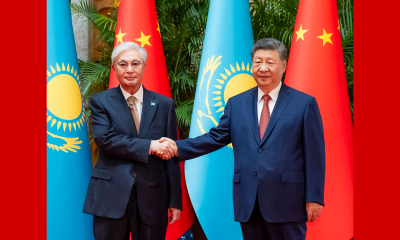
Kazakhstan seeks regional AI leadership as economic partnership with China enters new phase

Survey on an EU Blueprint for intellectual property licensing and spinoff creation

Setting a new benchmark in premium travel

Burnham as PM? 'Wait and see'

Statement by the Ministry of Foreign Affairs of the Republic of Kazakhstan

Rule of law report strengthens EU democracy and fundamental rights

Kazakhstan and Belgium: Building a Partnership for the Future

Kazakhstan: Central Election Committee reviews the results of the nomination of candidates for the deputies of Kurultai

Commission launches EU-Ukraine Drone Alliance to boost drone and counter-drone technology

EU and Portugal team up to keep brightest tech talents at home

2026 Rule of Law Report strengthens Europe's prosperity, security and democratic resilience

Commission outlines measures to strengthen Europe's banking sector and support growth

Kazakhstan draws $19 billion in greenfield investment, leading Central Asia

New Digital Product Passport (DPP) web page launched

The EU’s Forced-Labour Regulation Faces a Credibility Test

European Statistical Monitor: July edition

Kazakhstan reforms under scrutiny at Brussels Press Club round table

Japan should face up to history and contribute more to regional peace

Ambassador calls for 'speeding up' of co-operation between EU and Kazakhstan

Timur Turlov at Smart Moves Summit 2025: How chess can transform global education

Shevtsova’s case: Out-of-court sanctions dismantling trust in Ukrainian cause

The future of European transport

Trump Vs Trueman

US 'no longer' an 'unconditional ally' for Europe - MEP
-
 China4 days ago
Kazakhstan seeks regional AI leadership as economic partnership with China enters new phase
-
 Intellectual Property Rights3 days ago
Survey on an EU Blueprint for intellectual property licensing and spinoff creation
-
 Aviation/airlines3 days ago
Setting a new benchmark in premium travel
-
 Labour3 days ago
Burnham as PM? 'Wait and see'