EU
Britain's #SugarTax on #SoftDrinks comes into effect

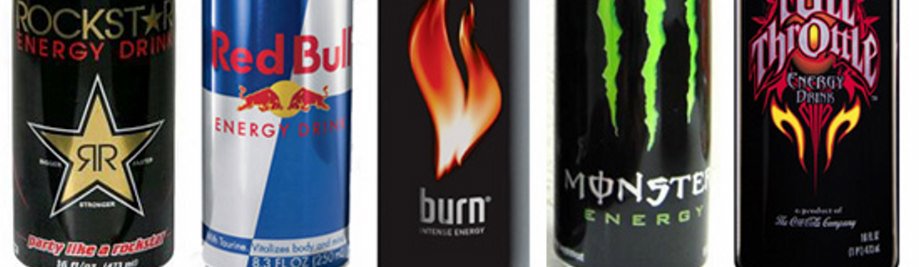
Britain’s sugar tax on soft drinks came into effect on Friday (6 April), a move that will lead to some higher prices as the country seeks to battle childhood obesity, writes Martinne Geller.
The tax, announced in March 2016, has already cut sugar content in drinks by 45 million kg per year, Britain’s Treasury said, as over 50 percent of manufacturers have reformulated their products to be below the levy’s sugar threshold.
“Our teenagers consume nearly a bathtub of sugary drinks each year on average, fuelling a worrying obesity trend in this country,” Public Health Minister Steve Brine said.
“The soft drinks industry levy is ground-breaking policy that will help to reduce sugar intake, whilst funding sports programmes and nutritious breakfast clubs for children.”
Because of the reformulations, the Treasury now expects the levy to raise only about 240 million pounds ($336m) in its first year, less than half of its prior forecast of 520m.
Soft drink makers including Coca-Cola, Britvic and Lucozade Ribena Suntory have reformulated drinks, though Coca-Cola Classic, the nation’s top-selling branded soft drink, is subject to the tax.
Retailers Tesco, Asda and Morrisons have also reformulated their own-label fizzy drinks to be below the levy’s threshold.
Share this article:

EU Reporter publishes articles from a variety of outside sources which express a wide range of viewpoints. The positions taken in these articles are not necessarily those of EU Reporter. Please see EU Reporter’s full Terms and Conditions of publication for more information EU Reporter embraces artificial intelligence as a tool to enhance journalistic quality, efficiency, and accessibility, while maintaining strict human editorial oversight, ethical standards, and transparency in all AI-assisted content. Please see EU Reporter’s full A.I. Policy for more information.




ECR MEPs question the European Commission on cardiovascular health and diet promoting the Mediterranean diet as an alternative to ultra-processed foods as key to tackling obesity

Albania's Vlora airport standoff tests investor confidence as EU accession clock ticks

Iran’s regime in crisis: Negotiations, internal divisions and growing resistance

Why a Brussels–Nicosia–Eastern Mediterranean strategic affairs platform would benefit the European Union

Commission approves €659 million German state aid for four new semiconductor facilities

Kazakhstan seeks regional AI leadership as economic partnership with China enters new phase

EU law on nitrates pollution remains effective, with scope for smarter implementation

Starmer’s problem? 'He is not a politician'

The EU’s Forced-Labour Regulation Faces a Credibility Test

European Statistical Monitor: July edition

Commission publishes state aid guidance on carbon contracts for difference

Commission greenlights Estonia's fourth payment request for €135.5 million under NextGenerationEU

Drones, dominance, and the Iranian impasse: The West's strategic blind spot

Kazakhstan's fixed capital investment tops 9.5 trillion tenge in H1 2026

Commission registers two European Citizens' Initiatives on education and housing

Kazakhstan and Belgium: Building a Partnership for the Future

Kazakhstan reforms under scrutiny at Brussels Press Club round table

Japan should face up to history and contribute more to regional peace

Ambassador calls for 'speeding up' of co-operation between EU and Kazakhstan

Timur Turlov at Smart Moves Summit 2025: How chess can transform global education

Shevtsova’s case: Out-of-court sanctions dismantling trust in Ukrainian cause

The future of European transport

Trump Vs Trueman

US 'no longer' an 'unconditional ally' for Europe - MEP
-
 Italy4 days ago
ECR MEPs question the European Commission on cardiovascular health and diet promoting the Mediterranean diet as an alternative to ultra-processed foods as key to tackling obesity
-
 Albania4 days ago
Albania's Vlora airport standoff tests investor confidence as EU accession clock ticks
-
 Iran5 days ago
Iran’s regime in crisis: Negotiations, internal divisions and growing resistance
-
 Euro-Mediterranean relations4 days ago
Why a Brussels–Nicosia–Eastern Mediterranean strategic affairs platform would benefit the European Union