European Commission
Commission approves €41.5 million Italian state aid measure to support a new manufacturing facility for glass-based photonic chips

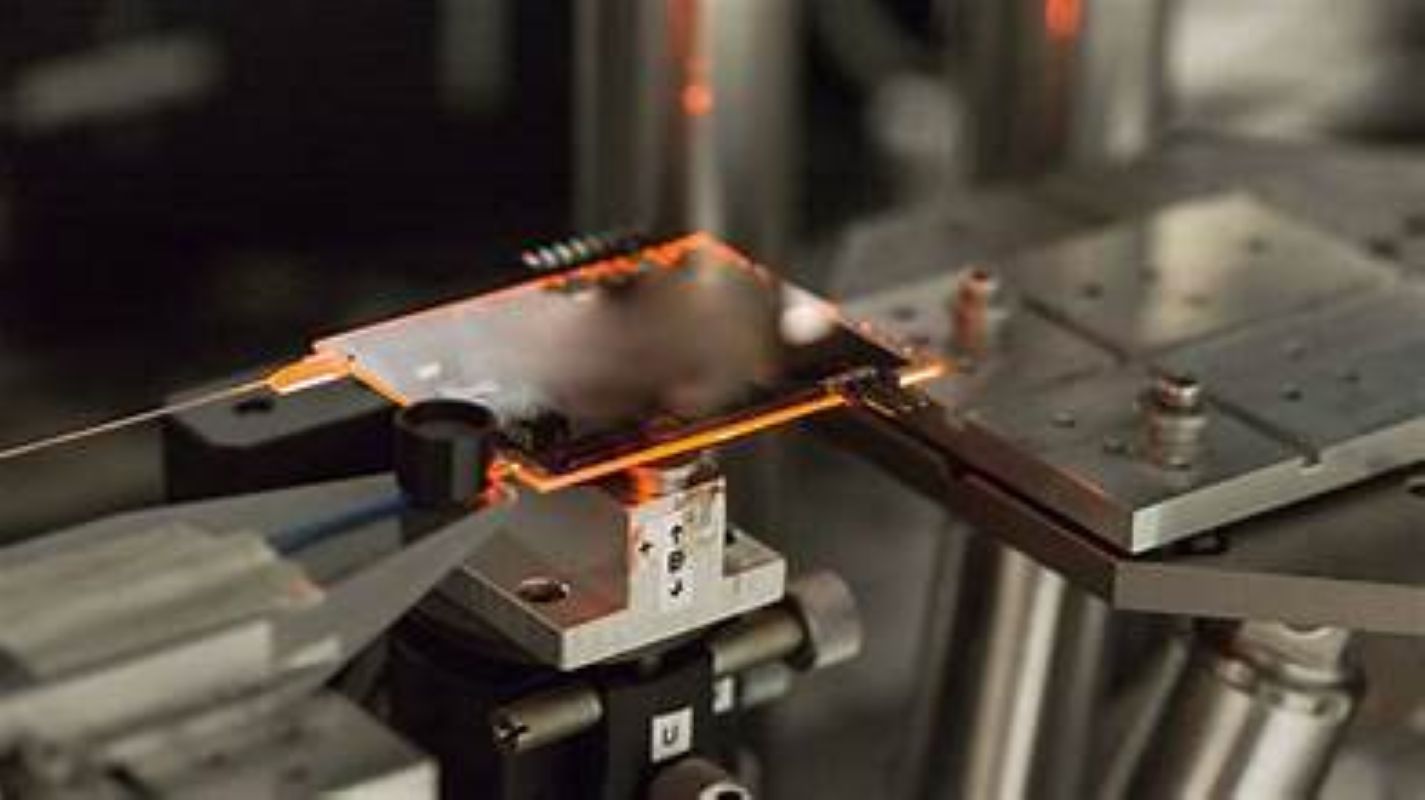
The European Commission has approved, under EU state aid rules, a €41.5 million Italian state aid measure to support Ephos S.r.l., an Italian SME, in the setting up of a first-of-a-kind manufacturing facility for glass-based photonic chips in the area of Milan.
The aid will take the form of a direct grant. The measure will increase technological autonomy in semiconductor technologies for the EU.
The new facility will be a first-of-a-kind in the EU, due to the uniqueness of the manufacturing process and of the resulting photonic chips. The facility will help integrate optical materials on glass-based photonic circuits. This will allow faster manufacturing of photonic chips and address high-value applications such as data centres and quantum computing.
The Commission assessed the measure under EU State aid rules, in particular Article 107(3)(c) of the Treaty on the Functioning of the EU (‘TFEU'), which allows member states to support the development of certain economic activities subject to certain conditions, and based on the principles outlined in the European Chips Act Communication. The Commission found that the aid is necessary to enable the investment, which would not have occurred without public support. The Commission also found that the aid is proportionate, as it is limited to the minimum necessary and will have a limited impact on competition and trade between member states. On this basis, the Commission approved the Italian measure under EU state aid rules.
The non-confidential version of the decision will be made available under the case number SA.117987 in the state aid register on the Commission's competition website once any confidentiality issues have been resolved.
Share this article:
EU Reporter publishes articles from a variety of outside sources which express a wide range of viewpoints. The positions taken in these articles are not necessarily those of EU Reporter. Please see EU Reporter’s full Terms and Conditions of publication for more information EU Reporter embraces artificial intelligence as a tool to enhance journalistic quality, efficiency, and accessibility, while maintaining strict human editorial oversight, ethical standards, and transparency in all AI-assisted content. Please see EU Reporter’s full A.I. Policy for more information.



ECR MEPs question the European Commission on cardiovascular health and diet promoting the Mediterranean diet as an alternative to ultra-processed foods as key to tackling obesity

Albania's Vlora airport standoff tests investor confidence as EU accession clock ticks

Iran’s regime in crisis: Negotiations, internal divisions and growing resistance

Why a Brussels–Nicosia–Eastern Mediterranean strategic affairs platform would benefit the European Union

Commission approves €659 million German state aid for four new semiconductor facilities

Kazakhstan seeks regional AI leadership as economic partnership with China enters new phase

EU law on nitrates pollution remains effective, with scope for smarter implementation

Starmer’s problem? 'He is not a politician'

The EU’s Forced-Labour Regulation Faces a Credibility Test

European Statistical Monitor: July edition

Commission publishes state aid guidance on carbon contracts for difference

Commission greenlights Estonia's fourth payment request for €135.5 million under NextGenerationEU

Drones, dominance, and the Iranian impasse: The West's strategic blind spot

Kazakhstan's fixed capital investment tops 9.5 trillion tenge in H1 2026

Commission registers two European Citizens' Initiatives on education and housing

Kazakhstan and Belgium: Building a Partnership for the Future

Kazakhstan reforms under scrutiny at Brussels Press Club round table

Japan should face up to history and contribute more to regional peace

Ambassador calls for 'speeding up' of co-operation between EU and Kazakhstan

Timur Turlov at Smart Moves Summit 2025: How chess can transform global education

Shevtsova’s case: Out-of-court sanctions dismantling trust in Ukrainian cause

The future of European transport

Trump Vs Trueman

US 'no longer' an 'unconditional ally' for Europe - MEP
-
 Italy4 days ago
ECR MEPs question the European Commission on cardiovascular health and diet promoting the Mediterranean diet as an alternative to ultra-processed foods as key to tackling obesity
-
 Albania4 days ago
Albania's Vlora airport standoff tests investor confidence as EU accession clock ticks
-
 Iran5 days ago
Iran’s regime in crisis: Negotiations, internal divisions and growing resistance
-
 Euro-Mediterranean relations4 days ago
Why a Brussels–Nicosia–Eastern Mediterranean strategic affairs platform would benefit the European Union