Maritime
GreenMED: Green shipping pathways towards a clean energy transition in the Mediterranean

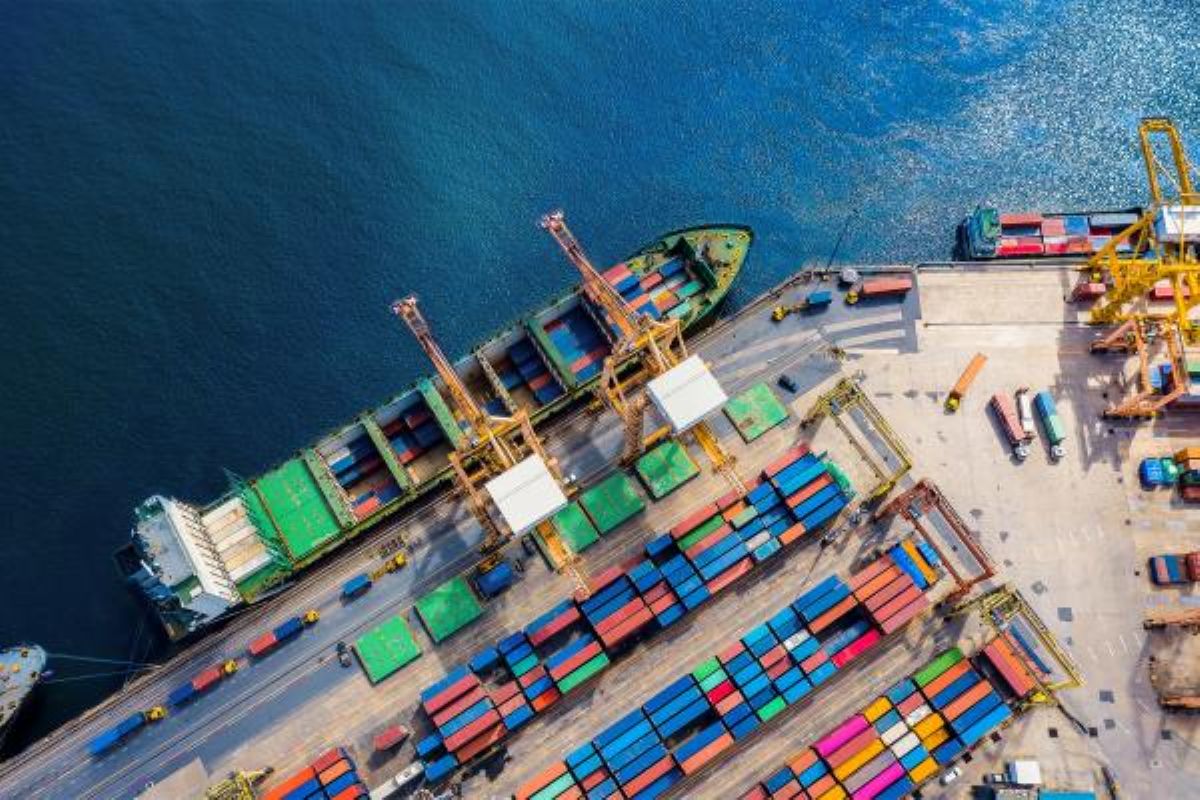
With EU support, the GreenMED project is helping coastal communities and the maritime industry prepare for a cleaner, more sustainable future.
In the busy ports and sea lanes of the Mediterranean, the impact of shipping on the environment is impossible to ignore. Ships burn large amounts of fuel, releasing emissions that contribute to climate change and pollute the air along the coastlines. This is a particular concern in the Mediterranean, where shipping is dense and the sea is semi-enclosed, trapping pollution near heavily populated shores.
To address this, the GreenMED project is helping chart a new path forward. Thanks to support from the European Maritime, Fisheries and Aquaculture Fund (EMFAF), it is bringing partners from Greece, Spain, Cyprus, and Egypt to prepare the region’s shipping industry for the energy transition.
At the heart of the project is a new observatory — the Mediterranean Sustainable Shipping Observatory, a decarbonisation hub for the Eastern and wider Mediterranean region. This is collecting data, building knowledge, and engaging stakeholders to support cleaner solutions in ports and at sea.
Why the Mediterranean can’t wait
The European Union aims to reach climate neutrality by 2050. To achieve this, all sectors need to reduce emissions — including maritime transport. Shipping has long been a difficult sector to decarbonise, but new policies and measures have been introduced, including adding shipping into the EU Emission Trade System, the Fuel EU Maritime and Alternative Fuels Infrastructure Regulations.
GreenMED helps the Mediterranean region align with these wider goals by focusing on regional needs, infrastructure, and opportunities.
This is not just about environmental targets. It is also about the future of coastal communities. Cleaner ports mean better air quality. New fuel and energy systems mean new skills and jobs. And investment in green infrastructure can support the wider economy while protecting marine ecosystems.

Building tools for real change
In its first year, the project focused on building the foundation for long-term change. This included:
- Creating the first version of the Observatory’s knowledge base, with data on ships, fuel use, emissions, ports and energy supply.
- Analysing the energy demand from ships in the region, based on 30 million recorded vessel movements.
- Identifying green fuel options and energy-saving technologies that can be applied in the Mediterranean.
- Building a community of over 30 stakeholders across the region, from port authorities and shipping companies to researchers and energy providers.
Cyprus Marine and Maritime Institute, which leads the Observatory’s development, explains:
“By fostering strong partnerships, we aim to drive innovation that answers industry needs while protecting the environment.”
Valencia Port Foundation, which contributes to the technical work, puts it simply:
“Our goal is to turn research into tools that port authorities, shipowners, and technology providers can use to take action.”
Looking ahead
The work of the project does not stop when the funding ends. The Observatory is designed to continue operating and growing beyond the project’s lifetime, helping the region prepare for the future.
The project is also cooperating with the Zero-Emission Waterborne Transport Platform and the WestMED initiative, especially the “Shipbuilding Alternative Fuels Propulsion Systems Alliance”. GreenMED works closely with two more “sister” projects from the same call for proposals: Green Marine Med and POWER4MED.
Challenges remain, especially in bringing in more partners from the southern Mediterranean and ensuring data remains available in the future. But the GreenMED team is aware of these obstacles and working to overcome them.
With the support of the European Union and the commitment of its partners, GreenMED is helping Mediterranean shipping set sail towards a cleaner future. Reference
EMFAF-2023-PIA-FLAGSHIP-101124925Project duration
1 Oct 2023 - 31 Dec 2025Project locations
Greece
Spain
Cyprus
EgyptOverall budget
€926 085EU contribution
€740 868
80% of the overall budget
Project website.
Funding
Stakeholders
Coordinators
National Technical University of Athens (NTUA), Greece
Participants
Cyprus Marine and Maritime Institute (CMMI), Cyprus
Marine Traffic Operations SA (MT), Greece
Fundación Valencia Port (VPF), Spain
Arab Academy for Science, Technology and Maritime Transport (AASTMT)
Share this article:
EU Reporter publishes articles from a variety of outside sources which express a wide range of viewpoints. The positions taken in these articles are not necessarily those of EU Reporter. Please see EU Reporter’s full Terms and Conditions of publication for more information EU Reporter embraces artificial intelligence as a tool to enhance journalistic quality, efficiency, and accessibility, while maintaining strict human editorial oversight, ethical standards, and transparency in all AI-assisted content. Please see EU Reporter’s full A.I. Policy for more information.



ECR MEPs question the European Commission on cardiovascular health and diet promoting the Mediterranean diet as an alternative to ultra-processed foods as key to tackling obesity

Albania's Vlora airport standoff tests investor confidence as EU accession clock ticks

Iran’s regime in crisis: Negotiations, internal divisions and growing resistance

Commission approves €659 million German state aid for four new semiconductor facilities

Why a Brussels–Nicosia–Eastern Mediterranean strategic affairs platform would benefit the European Union

Kazakhstan seeks regional AI leadership as economic partnership with China enters new phase

EU law on nitrates pollution remains effective, with scope for smarter implementation

European Commission rewards spurious PA textbook reforms

The EU’s Forced-Labour Regulation Faces a Credibility Test

European Statistical Monitor: July edition

Commission publishes state aid guidance on carbon contracts for difference

Commission greenlights Estonia's fourth payment request for €135.5 million under NextGenerationEU

Drones, dominance, and the Iranian impasse: The West's strategic blind spot

Kazakhstan's fixed capital investment tops 9.5 trillion tenge in H1 2026

Commission registers two European Citizens' Initiatives on education and housing

Kazakhstan and Belgium: Building a Partnership for the Future

Kazakhstan reforms under scrutiny at Brussels Press Club round table

Japan should face up to history and contribute more to regional peace

Ambassador calls for 'speeding up' of co-operation between EU and Kazakhstan

Timur Turlov at Smart Moves Summit 2025: How chess can transform global education

Shevtsova’s case: Out-of-court sanctions dismantling trust in Ukrainian cause

The future of European transport

Trump Vs Trueman

US 'no longer' an 'unconditional ally' for Europe - MEP
-
 Italy4 days ago
ECR MEPs question the European Commission on cardiovascular health and diet promoting the Mediterranean diet as an alternative to ultra-processed foods as key to tackling obesity
-
 Albania4 days ago
Albania's Vlora airport standoff tests investor confidence as EU accession clock ticks
-
 Iran5 days ago
Iran’s regime in crisis: Negotiations, internal divisions and growing resistance
-
 Germany4 days ago
Commission approves €659 million German state aid for four new semiconductor facilities