Crime
Commission proposes new measures to better tackle cross-border crime and terrorism

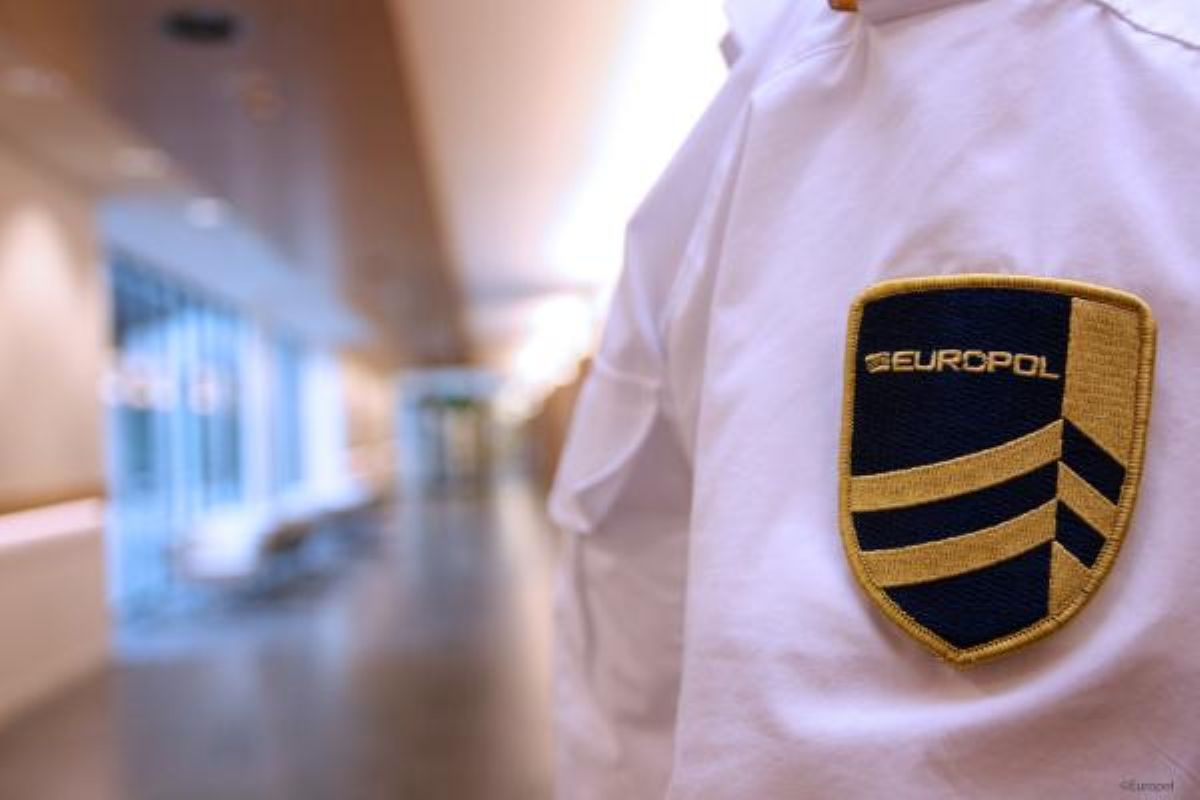
The European Commission has proposed measures to strengthen the EU’s response to an evolving criminal landscape that is becoming more sophisticated, international and digital. To tackle crime effectively, police, customs, prosecutors and courts must work closely together from the start of investigations to final judgments.
Europol and Eurojust are EU agencies that are central to the EU’s response to organised cross-border criminal networks, terrorists and hostile actors. The European Commission has proposed to strengthen their capacities and roles to improve the fight against crime, bring criminals to justice more efficiently and better protect EU citizens.
Europol – supporting EU countries in fighting crime across borders
The new rules will ensure Europol can better support EU countries with:
- automated and faster information sharing that enables real-time collaboration on investigations
- setting up Europol Support Offices staffed by former Europol officers that offer greater operational support to EU countries
- creating a technology and innovation hub that can provide an EU-wide picture of capability needs for law enforcement
- stronger cooperation with EU agencies and bodies such as Eurojust and the European Public Prosecutor’s Office and reinforced international cooperation with partner countries to jointly tackle global cross-border crime
Eurojust – supporting national prosecutors and judicial authorities
The new rules will strengthen Eurojust’s capacities through
- stronger operational support so that Eurojust can act on its own initiative to identify links between cases
- expanding Eurojust’s mandate in emerging areas of crime, such as cybercrime or gender-based violence
- improving decision-making, with more agile processes and faster action in urgent and complex cases
- improving cooperation with Europol and the European Public Prosecutor’s Office
- stronger international engagement with third countries
These actions will improve cooperation and complementarity between EU agencies and national authorities, including police, customs and courts.
Among other measures, the Commission is also proposing to update the European Investigation Order, a fast and standard procedure for the cross-border gathering of evidence from other EU countries in criminal matter, to make it easier to apply.
It also introduces a new European Remote Participation Order to allow suspects, accused persons and victims to participate remotely in criminal court hearings from a different EU country.
For more information
Factsheet on Europol's new mandate
Factsheet on Eurojust's new mandate
ProtectEU Internal Security Strategy
About Europol - Helping make Europe safer
Share this article:
EU Reporter publishes articles from a variety of outside sources which express a wide range of viewpoints. The positions taken in these articles are not necessarily those of EU Reporter. Please see EU Reporter’s full Terms and Conditions of publication for more information EU Reporter embraces artificial intelligence as a tool to enhance journalistic quality, efficiency, and accessibility, while maintaining strict human editorial oversight, ethical standards, and transparency in all AI-assisted content. Please see EU Reporter’s full A.I. Policy for more information.




Does Europe need tech sovereignty?

Azerbaijan’ s foreign policy as a middle power and its role in promoting regional peace

Kallas responds to Sa’ar: ‘The EU and Israel have a lot that binds us’

Thousands of Iranians from Belgium to join the Free Iran Rally in Paris

Support for EU accession remains high across enlargement partners, latest surveys show

Philip Morris urges von der Leyen to include tobacco sector in EU competitiveness debate

CEF Transport: €1.1 billion available for infrastructure projects across the EU

EU-funded technology strengthening Europe’s security

Commission opens disparagement investigation into Sanofi

UK building long-term economic strategy in Kyrgyzstan

EQAVET Peer Review on stakeholder engagement in VET in Portugal

Commission proposes new measures to better tackle cross-border crime and terrorism

Commission simplifies and makes energy and tyre labelling rules more accessible to European consumers

Kassym-Jomart Tokayev visit to Brussels 'important milestone'

More EU financial aid for war-torn Ukraine

Commission imposes anti-dumping duties on imports of BDO from three countries

Kazakhstan reforms under scrutiny at Brussels Press Club round table

Japan should face up to history and contribute more to regional peace

Ambassador calls for 'speeding up' of co-operation between EU and Kazakhstan

Timur Turlov at Smart Moves Summit 2025: How chess can transform global education

Shevtsova’s case: Out-of-court sanctions dismantling trust in Ukrainian cause

The future of European transport

Trump Vs Trueman

US 'no longer' an 'unconditional ally' for Europe - MEP
-
 Digital economy4 days ago
Does Europe need tech sovereignty?
-
 Azerbaijan3 days ago
Azerbaijan’ s foreign policy as a middle power and its role in promoting regional peace
-
 Israel4 days ago
Kallas responds to Sa’ar: ‘The EU and Israel have a lot that binds us’
-
 Iran4 days ago
Thousands of Iranians from Belgium to join the Free Iran Rally in Paris