Ebola
France reports first case of Ebola and WHO launches its first trials

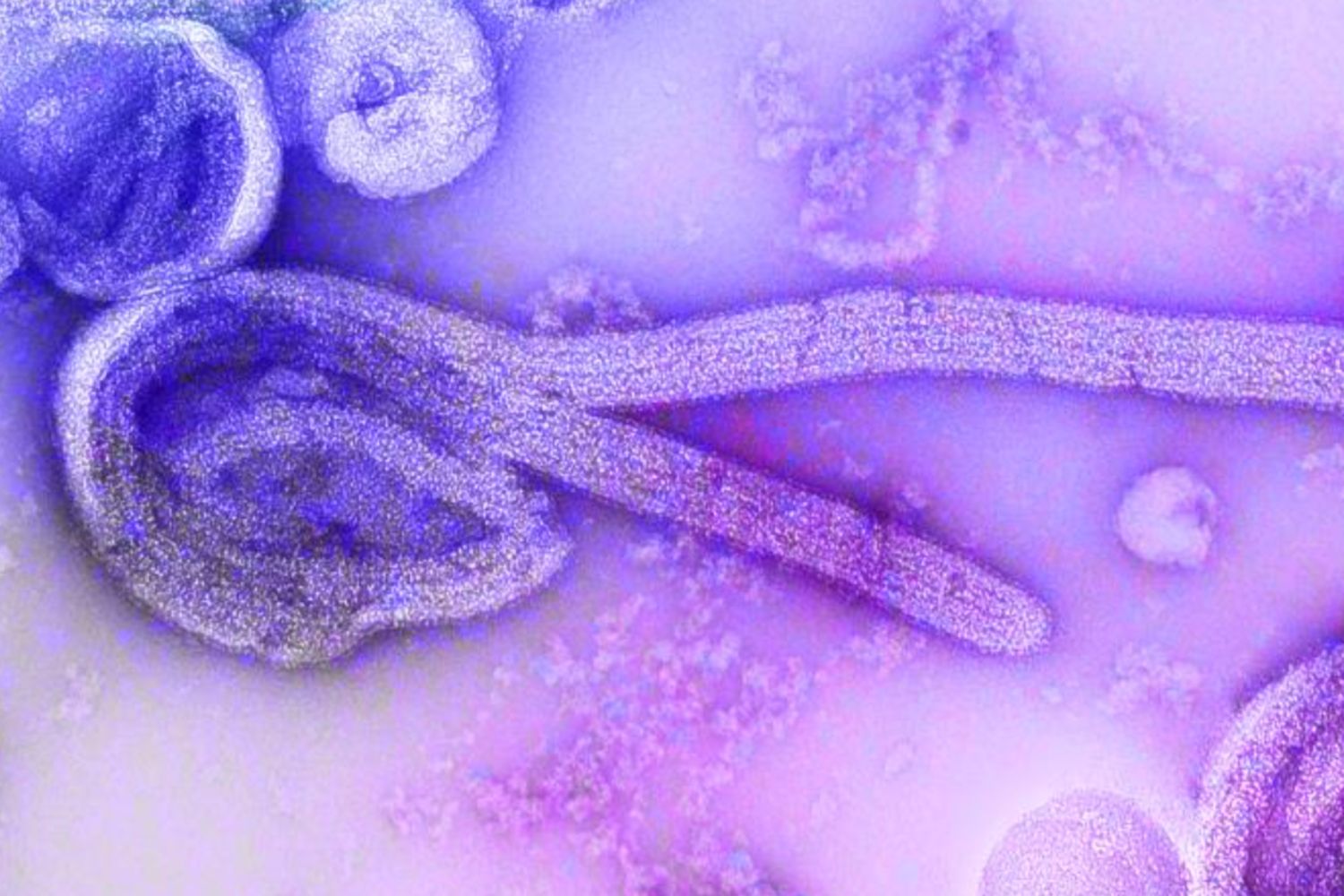
France has confirmed its first imported case of Bundibugyo Ebola virus disease linked to the ongoing outbreak in the Democratic Republic of Congo (DRC). The patient is a humanitarian worker returning from an Ebola-affected area in eastern DRC.
In a statement, the French Ministry of Health sought to reassure the public that the patient was immediately admitted to a specialized facility and said he is in a stable condition
The ministry stressed that France has extensive experience managing highly infectious diseases and that the patient is being treated under strict biosafety conditions, including isolation in a negative-pressure room. Authorities have launched a full epidemiological investigation to identify anyone who may have come into contact with the patient.
Contacts will be required to self-isolate for 21 days and will be monitored by regional health authorities. Dedicated monitoring has also been established for French aid workers returning from affected regions.
Following confirmation of the French case, the European Centre for Disease Prevention and Control (ECDC) called on European countries to maintain vigilance and called on member states to continue to strengthen their preparedness, adding that “the risk of sustained transmission within the EU/EEA is very low provided that effective measures for early detection, isolation and treatment of patients are in place.”
Health officials reiterated that Ebola is transmitted through direct contact with the blood or other bodily fluids of infected people or animals and is not spread through the air. Health-care workers and individuals working closely with affected communities remain at the greatest risk of infection.
Speaking during a WHO briefing, Director-General Dr Tedros Adhanom Ghebreyesus warned that although progress is being made in controlling the outbreak, significant challenges remain.
“The co-ordinated response to the outbreak is starting to take hold, but continued scale-up is needed,” Tedros said. He pointed to...

Share this article:

EU Reporter publishes articles from a variety of outside sources which express a wide range of viewpoints. The positions taken in these articles are not necessarily those of EU Reporter. Please see EU Reporter’s full Terms and Conditions of publication for more information EU Reporter embraces artificial intelligence as a tool to enhance journalistic quality, efficiency, and accessibility, while maintaining strict human editorial oversight, ethical standards, and transparency in all AI-assisted content. Please see EU Reporter’s full A.I. Policy for more information.




EU foreign ministers to discuss options for restricting trade with Israeli communities in Judea and Samaria

European operation dismantles €10 million illicit cigarette network in Spain

Srebrenica's lesson is prevention. Why isn't the world applying It to Kashmir?

Energy Union Task Force takes stock of oil and gas security of supply in the EU

ALROSA Re-elects Supervisory Board with Minimal Changes

AIFC to host Astana Finance Days 2026 in September

EU launches a Team Gaza Initiative to support early recovery in Gaza with an initial amount of nearly €900 million

Joint statement by High Representative/Vice-President Kallas and Commissioner Kos on the 31st anniversary of the Srebrenica genocide

Shusha Global Media Forum: Azerbaijan’s Answer to Disinformation

Commission approves French state aid to support offshore wind energy

Natura 2000 Network offers opportunities for sustainable tourism across Europe

Commission adds exemptions to rules on removability of portable batteries

EU steps up international support for Palestinians with major initiative for Gaza's early recovery and stronger international coordination

Kurmuk gold project highlights Africa’s changing investment landscape

Falling in love with the Maldives

Britain’s leadership crisis is a symptom, not the disease

Kazakhstan reforms under scrutiny at Brussels Press Club round table

Japan should face up to history and contribute more to regional peace

Ambassador calls for 'speeding up' of co-operation between EU and Kazakhstan

Timur Turlov at Smart Moves Summit 2025: How chess can transform global education

Shevtsova’s case: Out-of-court sanctions dismantling trust in Ukrainian cause

The future of European transport

Trump Vs Trueman

US 'no longer' an 'unconditional ally' for Europe - MEP
-
 Israel4 days ago
EU foreign ministers to discuss options for restricting trade with Israeli communities in Judea and Samaria
-
 Cigarettes3 days ago
European operation dismantles €10 million illicit cigarette network in Spain
-
 Kashmir3 days ago
Srebrenica's lesson is prevention. Why isn't the world applying It to Kashmir?
-
 Energy market2 days ago
Energy Union Task Force takes stock of oil and gas security of supply in the EU