European Parliament
Qatargate 2.0? A human rights plot favours convicted oligarch, casting shadows over European Parliamentarians

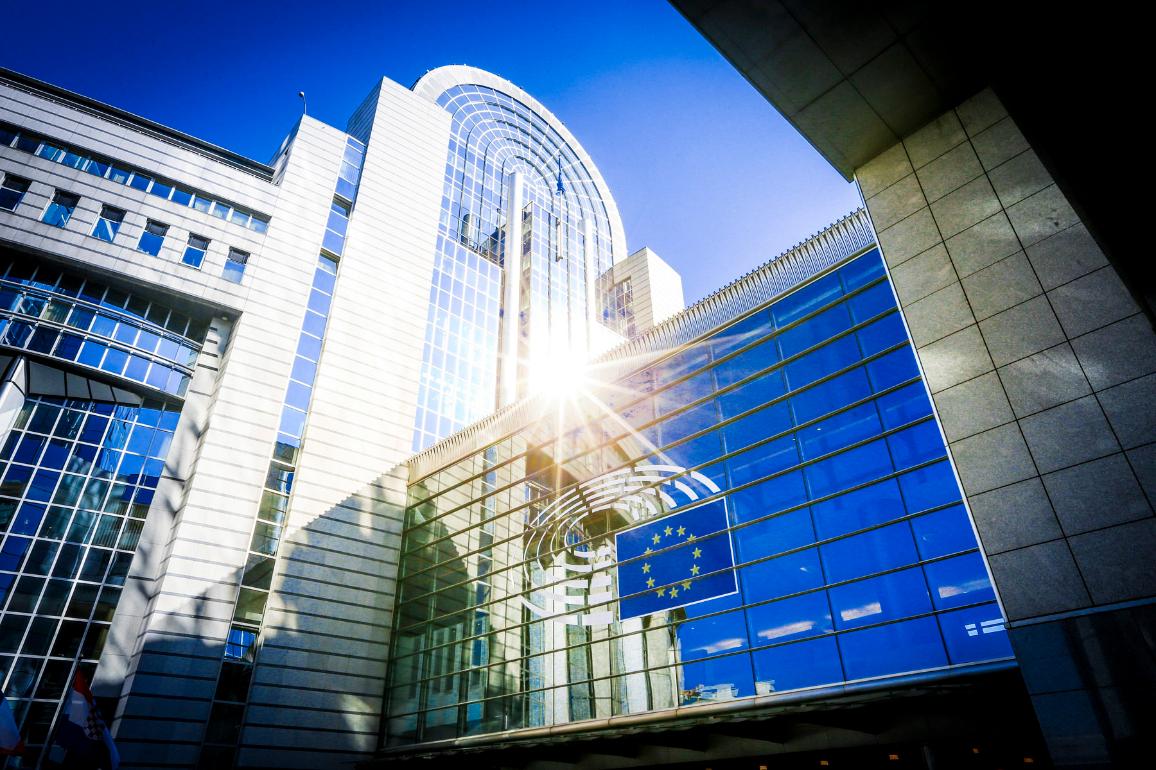
In a world where truth sometimes appears stranger than fiction, we come across yet another real-life saga that could be dismissed as overly dramatic had it been penned by a novelist. The European Parliament is mired in a new vortex of allegations concerning human rights and corruption, amid an already ongoing storm of fury initially fueled by Europe’s so-called QatarGate scandal last year, writes Luc Rodehefer.
Testimonies point towards cash payments funnelled through a Brussels-based organization co-established by former Member of European Parliament (MEP) Antonio Panzeri to manipulate voting in the EP. The arrests and raids have led to the seizure of €1.5 million in cash and the confiscation of computers and mobile phones. This scandal has initiated legal discussions and stimulated demands to revoke diplomatic immunity for those implicated.
A new in-depth investigation report published on May 29, 2023 – originally on Medium and later circulated among anti-corruption enthusiasts on Reddit – appears to suggest that the scandal continues to unfold. This report shines the spotlight on Mukhtar Ablyazov, a former Kazakhstani energy minister, and the Open Dialogue Foundation (ODF), a European non-governmental organization. Among the list of MEPs mentioned in the report are also names previously associated with the ongoing QatarGate corruption scandal, such as the former head of the EP’s Subcommittee on Human Rights, Maria Arena, and the above-mentioned Antonio Panzeri. Among numerous compelling findings on multiple MEPs, the report alleges that since 2019, Panzeri has been advocating for resolutions, publishing reports, and hosting events that favour Mukhtar Ablyazov and the ODF.
Moreover, the document suggests that some MEPs may have borrowed language from ODF reports in EP motions and resolutions concerning Kazakhstan. For example, portions of language used in ODF's report of January 2022 were allegedly included in a motion for a resolution on the situation in Kazakhstan just a few days later, which was adopted by the EP shortly after. Another interesting example is a list of 16 “political prisoners” given in the ODF report with an unusual inversion of first and last names, which is then copied with the same order and same inversion in EP’s Renew Group motion on 18 January 2022.
The Open Dialogue Foundation (ODF) appears to have played a significant role in the European Parliament's January 2022 resolution criticizing the Kazakhstani government's response to the violent domestic unrest during the same month. It's worth noting that Mukhtar Ablyazov, who is affiliated with the ODF, expressed support for the January 2022 upheaval and voiced his intentions to serve as an interim president of Kazakhstan. ODF has been openly lobbying for Ablyazov, and the NGO’s Polish arm is even listed as the registrant organization for Ablyazov’s website.
According to the report, the family of ODF’s president has owned a Ukraine-sanctioned Russian defence contractor in Sevastopol, which reportedly secured contracts from multiple USsanctioned Russian companies as well as Russia’s Ministry of Defence.
Additionally, Ablyazov’s association is not a unique instance in ODF's network; the NGO has also lobbied for Vaceslav Platon and Nail Malyutin, both associated with the “Russian laundromat” scandal, as well as other individuals with alleged links to Russia-related organized crime. Platon, as a relevant example, was sanctioned by Canadian authorities over ties to Russia on June 1, 2023.
Ablyazov himself has a controversial history, with several allegations of money laundering across various countries. Notably, he features prominently in two ongoing lawsuits in New York involving the potential laundering of up to $440 million through U.S. real estate projects. Likewise, his term at BTA Bank, Kazakhstan's third-largest bank, has been marked with accusations of misappropriation amounting to more than $5 billion.
This new investigation report on certain MEPs’ involvement in Kazakhstan resolutions underscores serious potential issues of influence-peddling and corruption and therefore demands meticulous scrutiny. Policymakers, journalists, and EU’s internal investigation mechanisms need to address these concerns, ensuring the highest standards of transparency, impartiality, and integrity in EP institutions.
In the wake of the QatarGate scandal, a Eurobarometer survey indicates that public satisfaction with democracy in the EU and interest in the forthcoming EP elections are currently only at 54 per cent and 56 per cent, respectively. However, the awareness of the election schedule for the coming year was only at 45 per cent. The data also reveals a declining trend in the number of people advocating for a more influential role in the Parliament.
In conclusion, the European Parliament finds itself under intense scrutiny. This can be a chance for introspection and reform rather than be seen as an existential threat. In a world where boundaries between reality and fiction blur, our collective dedication to truth, justice, and fundamental democratic principles must remain unflinching.
Luc Rodhefer is a foreign policy expert and a freelance financial analyst. A former banker, he is currently based in France and covers political-economic relations between the EU and emerging markets.
Share this article:

EU Reporter publishes articles from a variety of outside sources which express a wide range of viewpoints. The positions taken in these articles are not necessarily those of EU Reporter. Please see EU Reporter’s full Terms and Conditions of publication for more information EU Reporter embraces artificial intelligence as a tool to enhance journalistic quality, efficiency, and accessibility, while maintaining strict human editorial oversight, ethical standards, and transparency in all AI-assisted content. Please see EU Reporter’s full A.I. Policy for more information.





Russia’s Gulf pivot: How Oman Is emerging as a strategic partner for Moscow’s post-sanctions economy

Security realignment inevitable in Middle East after Netanyahu-Trump's war

'Ukraine does not need investment out of sympathy': Seyar Kurshutov on the rational case for early entry

The Third International Maqom Art Forum and the New Uzbekistan

Better enforcement of passenger rights: New EU agreement strengthens protection across all modes of transport

Shen Yun - The Abuses and Human Rights Violations

Dismantling 'high walls' for a shared European-Asian future

EU deploys emergency assistance to Venezuela following earthquakes

Region Trade Bank strengthens international governance as Iraq's banking sector deepens global engagement

Commissioner Brunner participates in youth policy dialogue in Austria

Executive Vice President Virkkunen presents awards to projects boosting digital skills

High Representative Kallas with Commissioners Kos and Brunner in Türkiye to advance bilateral cooperation

President von der Leyen travels to Azerbaijan and Armenia

Commission approves new geographical indication from Slovakia

EU delivers emergency aid and organises a humanitarian flight in response to earthquakes in Venezuela

What the latest data reveals about labour market imbalances across Europe

Kazakhstan reforms under scrutiny at Brussels Press Club round table

Japan should face up to history and contribute more to regional peace

Ambassador calls for 'speeding up' of co-operation between EU and Kazakhstan

Timur Turlov at Smart Moves Summit 2025: How chess can transform global education

Shevtsova’s case: Out-of-court sanctions dismantling trust in Ukrainian cause

The future of European transport

Trump Vs Trueman

US 'no longer' an 'unconditional ally' for Europe - MEP
-
 Oman4 days ago
Russia’s Gulf pivot: How Oman Is emerging as a strategic partner for Moscow’s post-sanctions economy
-
 Middle East3 days ago
Security realignment inevitable in Middle East after Netanyahu-Trump's war
-
 Ukraine4 days ago
'Ukraine does not need investment out of sympathy': Seyar Kurshutov on the rational case for early entry
-
 Uzbekistan3 days ago
The Third International Maqom Art Forum and the New Uzbekistan