Artificial intelligence
Your skills are key to a brighter AI future

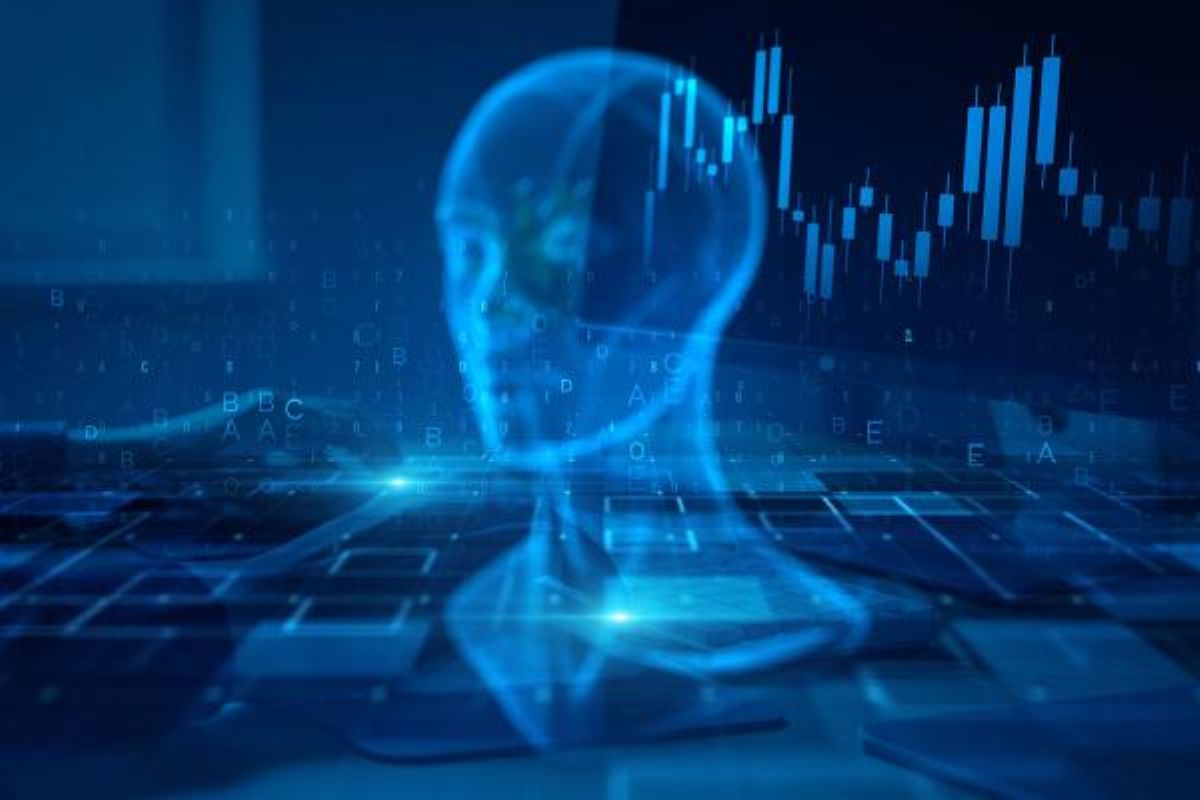
AI could be a force for good in our careers and lives. It could also lead us down a darker path. Read about three such futures that could become reality, all depending on the action Europe takes now.
Imagine it’s 2040 – a future not too far away. Thanks to AI, the economy is booming, there are many new jobs, learning is flexible and easy to access, helping everyone move forward smoothly on their own career paths. Sounds perfect, right? But let’s face it, if Europe doesn’t take the right steps, its AI-powered future could also head down a completely different path, leaving many behind. Let’s take a look at a few not-so-great scenarios.
Two dystopian scenarios we definitely don’t want
In one imaginary 2040, AI has changed the workplace so much, it’s unrecognisable. Neither governments nor employers invest in workforce skills development, mostly leaving employees to figure it out on their own. Only tech-savvy people benefit, while others struggle to remain employed. As a result, their mental and physical health suffers – and so do their finances.
In another, even worse, scenario, AI technologies and automation have taken over every part of our lives and work. Now it’s not only the workplace that’s unrecognisable, but society as a whole. A few big players control the AI landscape, influencing policymakers, the economy and society. With AI taking over most tasks, people are losing their jobs in every sector and industry – and, faced with a disposable workforce, companies no longer care about developing their workers’ skills. Once again, workers are left to their own devices and struggle to keep up with technological advances. Trade unions also don’t have much power, so there’s no one to fight for workers’ rights and interests. There aren’t enough regulations or government oversight, so the power lies largely in the hands of those major players, threatening democracy and also harming the environment.
In these two scenarios, the AI revolution only benefits the lucky few, and the gap between tech-haves and tech-have-nots becomes a chasm. This isn’t just about individual workers failing to keep up, it’s a systematic failure in which the system decides who gets to learn and who doesn’t.
Slightly better? The ‘missed opportunity’ trap
There’s also another, less depressing scenario – one where AI uptake is modest but steady. Sounds safe, right? Not quite. If we don’t properly invest in skills development, even this modest path leads to a missed golden opportunity for innovation.
In this version of 2040, the pace of change might be manageable, but it doesn’t take full advantage of AI’s potential to improve social and economic conditions. For workers, a slow rollout means the exciting, creative roles usually coming from AI breakthroughs might never materialise, leaving people stuck in a stagnant job market. The most interesting tasks are taken by a small elite, leaving the rest with the mundane work – and wasted potential. As for employers, they might escape the chaos of rapid change, but they also miss out on efficiency gains and new products that could set them apart – risking stagnation simply because the system doesn’t support widespread, meaningful adoption.
These scenarios show that future skills development depends on teamwork. By encouraging ongoing skills training together, the EU can create a workforce ready for an AI world, turning tech progress into fair, sustainable benefits for everyone.
To find out more about the different scenarios, read the report ‘Preparing for 2040’. Want to read about a more positive AI future? Then take a look at our article on how the AI revolution is built for young jobseekers.
Related links
Young and just starting your career? The AI revolution is built for you!
Read more
Find EURES Advisers
Living and working conditions in EURES countries
EURES Jobs Database
EURES services for employers
EURES Events Calendar
Upcoming Online Events
EURES on Facebook
EURES on Twitter
EURES on LinkedIn
Share this article:
EU Reporter publishes articles from a variety of outside sources which express a wide range of viewpoints. The positions taken in these articles are not necessarily those of EU Reporter. Please see EU Reporter’s full Terms and Conditions of publication for more information EU Reporter embraces artificial intelligence as a tool to enhance journalistic quality, efficiency, and accessibility, while maintaining strict human editorial oversight, ethical standards, and transparency in all AI-assisted content. Please see EU Reporter’s full A.I. Policy for more information.






2026 could be decisive for the future of Europe’s hypersonic shield

A new chapter for Europe and Africa begins in Nairobi

Electric car sales surge as high oil prices drive shift away from fossil fuels

Who are Europe’s next gender equality champions? Applications are now open

Is the ‘King of the North’ on course to topple the prime minister of the UK?

Azerbaijan and the emerging alliance reshaping the Middle East

Finland and Sweden prepare procurement of Arctic mobility vehicles developed under the European Defence Fund-supported FAMOUS project

Going down a treat - that's Belgian wine

Kazakhstan FinTech Freedom to build a Revolut competitor in Europe

Does Europe need tech sovereignty?

Inaccurate clothing labels a systemic issue, EU testing finds

EU-funded technology strengthening Europe’s security

Thousands of Iranians from Belgium to join the Free Iran Rally in Paris

CEF Transport: €1.1 billion available for infrastructure projects across the EU

Serving up success for Belgium

Kallas responds to Sa’ar: ‘The EU and Israel have a lot that binds us’

Kazakhstan reforms under scrutiny at Brussels Press Club round table

Japan should face up to history and contribute more to regional peace

Ambassador calls for 'speeding up' of co-operation between EU and Kazakhstan

Timur Turlov at Smart Moves Summit 2025: How chess can transform global education

Shevtsova’s case: Out-of-court sanctions dismantling trust in Ukrainian cause

The future of European transport

Trump Vs Trueman

US 'no longer' an 'unconditional ally' for Europe - MEP
-
 Defence5 days ago
2026 could be decisive for the future of Europe’s hypersonic shield
-
 Nairobi5 days ago
A new chapter for Europe and Africa begins in Nairobi
-
 Transport5 days ago
Electric car sales surge as high oil prices drive shift away from fossil fuels
-
 Gender equality5 days ago
Who are Europe’s next gender equality champions? Applications are now open