Health
Ireland’s Presidency of the EU will link health and competitiveness

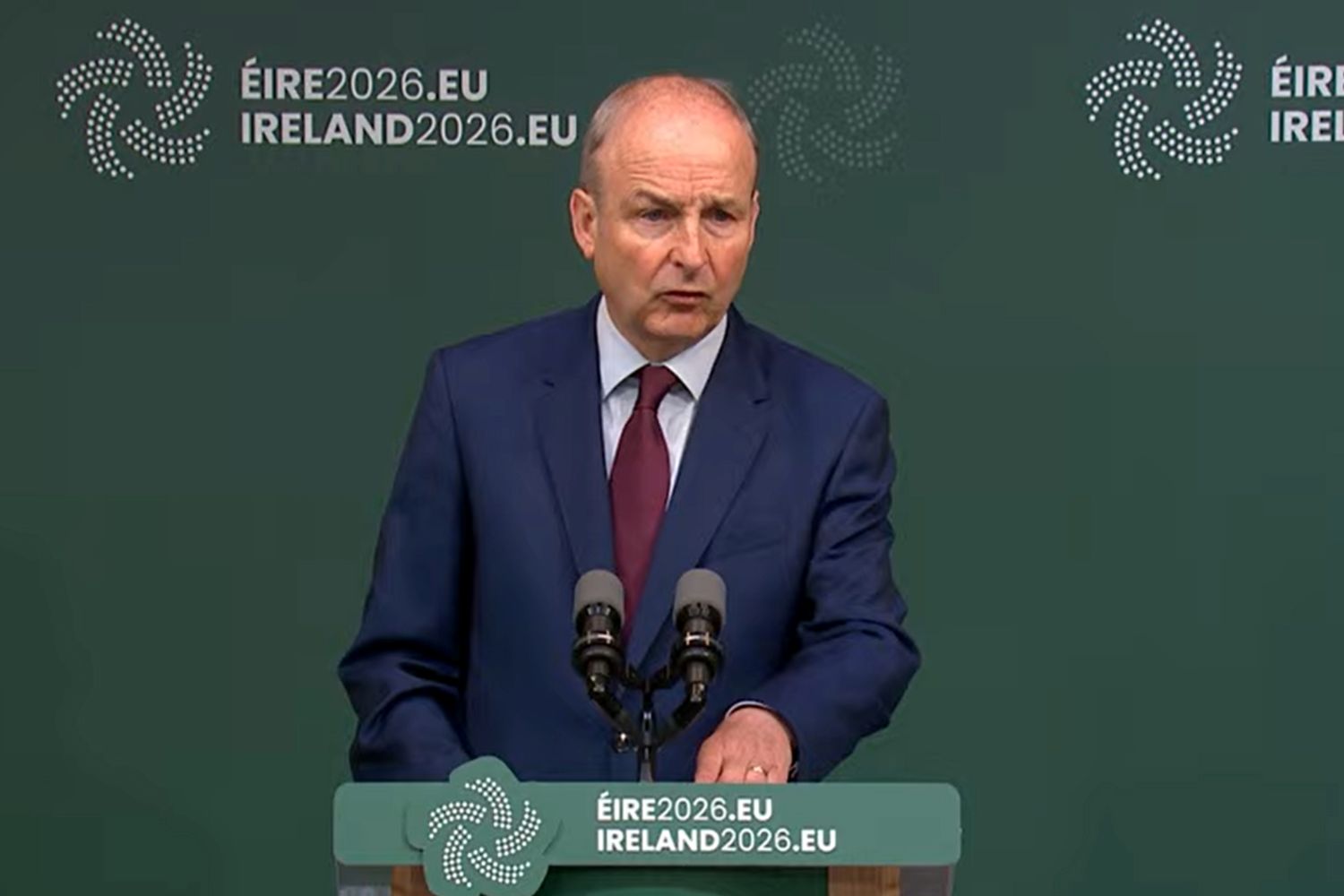
Ireland will place health innovation, competitiveness and patient access at the centre of its agenda when it assumes the Presidency of the Council of the European Union on 1 July, with a strong focus on the forthcoming Biotech Act, reform of medical devices legislation and more limited public health initiatives.
“The theme of the Presidency health programme is investing in health to improve competitiveness,” said Health Minister Jennifer Carroll MacNeill TD, as she laid out three priorities:
“Firstly, medicines, innovation and sustainable access, swiftly progressing the legislation on the Biotech Act and the revisions to the Medical Devices and In Vitro Diagnostics Regulations. Secondly, prevention, innovation and health equity, promoting evidence-based prevention strategies, including work related to the EU Safe Hearts Plan. Thirdly, digital health working on the implementation of the European Health Data Space is an important opportunity to improve care, strengthen research and support innovation.”
Vital Signs was told that the minister was very focused on legislation and identified the Biotech Act and medical devices reform as the flagship files, noting that both support the EU’s broader competitiveness agenda while improving patient access to innovation.
Ireland intends to drive negotiations on both the Biotech Act’s directive and regulation. The source said the biotechnology package is “very much about simplification” and reversing Europe’s declining share of clinical trials. “We need to reverse that, really, and we need to look at how we're doing clinical trials in Europe, make the system more efficient, shorten timelines [and] encourage innovation,”. The diplomat stressed the urgency of the file, arguing that biotechnology is “one of those sectors that Europe can do really well at” if barriers to innovation and commercialisation are removed...

Share this article:

EU Reporter publishes articles from a variety of outside sources which express a wide range of viewpoints. The positions taken in these articles are not necessarily those of EU Reporter. Please see EU Reporter’s full Terms and Conditions of publication for more information EU Reporter embraces artificial intelligence as a tool to enhance journalistic quality, efficiency, and accessibility, while maintaining strict human editorial oversight, ethical standards, and transparency in all AI-assisted content. Please see EU Reporter’s full A.I. Policy for more information.





Kazakhstan seeks regional AI leadership as economic partnership with China enters new phase

Setting a new benchmark in premium travel

Survey on an EU Blueprint for intellectual property licensing and spinoff creation

Statement by the Ministry of Foreign Affairs of the Republic of Kazakhstan

Rule of law report strengthens EU democracy and fundamental rights

Burnham as PM? 'Wait and see'

Kazakhstan and Belgium: Building a Partnership for the Future

Kazakhstan: Central Election Committee reviews the results of the nomination of candidates for the deputies of Kurultai

Commission sends Statements of Objections to several companies and trade associations in suspected construction chemicals cartel

Commission endorses Latvia’s €617 million Social Climate Plan to support vulnerable households and transport users in the clean transition

Commission fines AliExpress €550 million for breaching the Digital Services Act

Astana Hub unveils infrastructure to support AI innovation in health care

The security environment of the South Caucasus amid changing geopolitical realities

Why the US is losing its legitimacy as a global superpower and the trust of the comity of nations

Commission launches EU-Ukraine Drone Alliance to boost drone and counter-drone technology

EU and Portugal team up to keep brightest tech talents at home

Kazakhstan reforms under scrutiny at Brussels Press Club round table

Japan should face up to history and contribute more to regional peace

Ambassador calls for 'speeding up' of co-operation between EU and Kazakhstan

Timur Turlov at Smart Moves Summit 2025: How chess can transform global education

Shevtsova’s case: Out-of-court sanctions dismantling trust in Ukrainian cause

The future of European transport

Trump Vs Trueman

US 'no longer' an 'unconditional ally' for Europe - MEP
-
 China5 days ago
Kazakhstan seeks regional AI leadership as economic partnership with China enters new phase
-
 Aviation/airlines3 days ago
Setting a new benchmark in premium travel
-
 Intellectual Property Rights3 days ago
Survey on an EU Blueprint for intellectual property licensing and spinoff creation
-
 Kazakhstan4 days ago
Statement by the Ministry of Foreign Affairs of the Republic of Kazakhstan