EU
#EAA - Accessibility: Making products and services in the EU easier to use

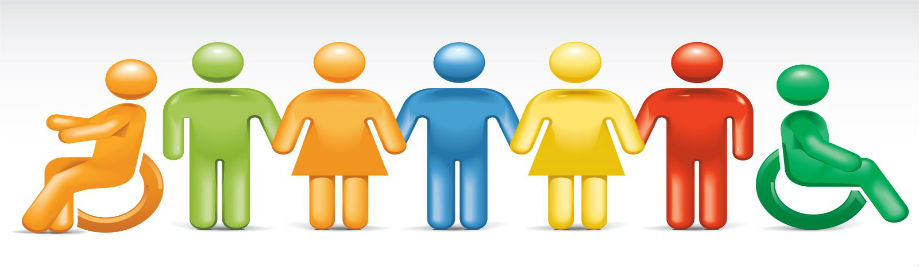
Parliament and EU Council negotiators have reached an agreement on a European Accessibility Act (EAA). The new rules are a step towards a fairer and more inclusive Europe and should improve the daily lives of the elderly and people with disabilities across the EU.
The agreement will still need to be approved by MEPs and the Council before the legislation can enter into force.
More accessible products and services
More than 80 million people live with disabilities in the EU and many have difficulties using everyday products, such as smartphones, computers, e-books, and encounter problems in accessing key services via ticket machines or ATMs.
The UN Convention on the Rights of Persons with Disabilities (UNCRPD) requires the EU and member states to ensure accessibility. Measures at EU level are needed to set common accessibility requirements for key products and services.
-
Ticketing and check-in machines;
-
ATMs and other payment terminals;
-
PCs and operating systems;
-
smartphones, tablets and TV equipment;
-
access to audio-visual media services, e-books;
-
e-commerce;
-
some elements of passenger transport services, and;
-
electronic communications, including the 112 emergency number.
Opportunities for businesses and consumers
Having common standards at EU level will prevent member states from developing different laws? This will make it easier and more attractive for businesses to sell accessible products and services in the EU and abroad.
New rules would encourage competition between economic operators and promote the free movement of accessible products and services. It is expected to give consumers more choice of accessible products and service and reduce their cost.
Exemptions for micro-enterprises
Because of their size and limited resources, exemptions would apply to some micro-enterprises, which are small companies with fewer than 10 employees and an annual turnover or balance sheet of less than €2 million.
However, these firms will be encouraged to manufacture and distribute products and provide services that comply with the accessibility requirements of the new rules.
EU countries will have to provide guidelines to these micro-enterprises to facilitate the implementation of the legislation.
Next steps
MEPs will vote on the draft directive during a plenary session in March. It will also need to be approved by the Council of Ministers before it can enter into force.
Share this article:
EU Reporter publishes articles from a variety of outside sources which express a wide range of viewpoints. The positions taken in these articles are not necessarily those of EU Reporter. Please see EU Reporter’s full Terms and Conditions of publication for more information EU Reporter embraces artificial intelligence as a tool to enhance journalistic quality, efficiency, and accessibility, while maintaining strict human editorial oversight, ethical standards, and transparency in all AI-assisted content. Please see EU Reporter’s full A.I. Policy for more information.





EU foreign ministers to discuss options for restricting trade with Israeli communities in Judea and Samaria

European operation dismantles €10 million illicit cigarette network in Spain

Srebrenica's lesson is prevention. Why isn't the world applying It to Kashmir?

ALROSA Re-elects Supervisory Board with Minimal Changes

AIFC to host Astana Finance Days 2026 in September

Energy Union Task Force takes stock of oil and gas security of supply in the EU

Joint statement by High Representative/Vice-President Kallas and Commissioner Kos on the 31st anniversary of the Srebrenica genocide

Commission preliminarily finds the addictive design of Instagram and Facebook in breach of the Digital Services Act

Britain’s leadership crisis is a symptom, not the disease

Chinese “leadership and coordination”

Shared commitment to advance EOSC through new EOSC Nodes and EOSC projects

Why young jobseekers struggle to find roles abroad that fit their expertise

Farmers, fair markets and consumers: new report highlights the role of EU competition rules in agriculture

EU and South Africa kick off intergovernmental dialogue on Clean Trade and Investment Partnership

Seveso - 50 years on: EU strengthens its commitment to industrial safety in a changing landscape of risk

Commission opens formal investigation into possible gun jumping in XXXLutz's acquisition of Porta

Kazakhstan reforms under scrutiny at Brussels Press Club round table

Japan should face up to history and contribute more to regional peace

Ambassador calls for 'speeding up' of co-operation between EU and Kazakhstan

Timur Turlov at Smart Moves Summit 2025: How chess can transform global education

Shevtsova’s case: Out-of-court sanctions dismantling trust in Ukrainian cause

The future of European transport

Trump Vs Trueman

US 'no longer' an 'unconditional ally' for Europe - MEP
-
 Israel3 days ago
EU foreign ministers to discuss options for restricting trade with Israeli communities in Judea and Samaria
-
 Cigarettes3 days ago
European operation dismantles €10 million illicit cigarette network in Spain
-
 Kashmir3 days ago
Srebrenica's lesson is prevention. Why isn't the world applying It to Kashmir?
-
 Economy1 day ago
ALROSA Re-elects Supervisory Board with Minimal Changes