European Commission
Commission adds exemptions to rules on removability of portable batteries

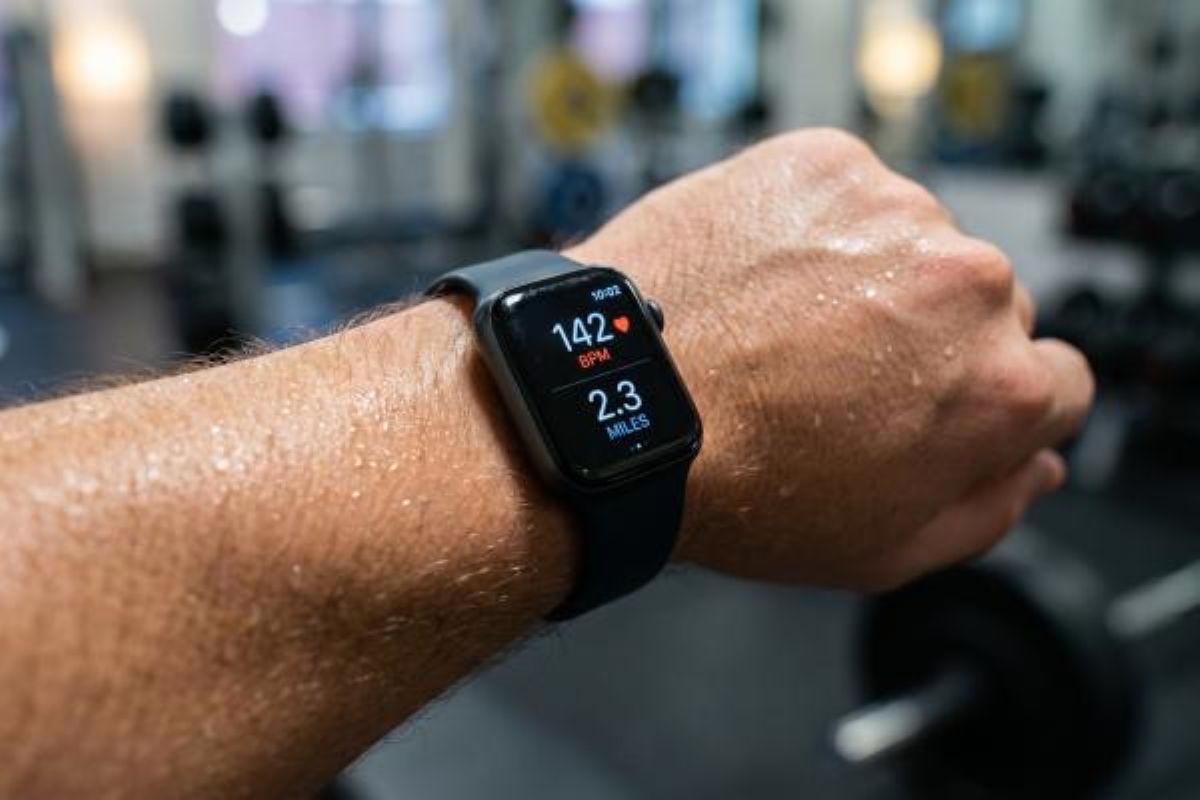
The list contains six new categories, including wearable devices such as smartwatches, fitness trackers, and electric toys.
The European Commission adopted a delegated act on 14 July, introducing new rules that exempt additional products from EU requirements on the removability and replaceability of portable batteries.
Under the EU’s Batteries Regulation, portable batteries in products sold in the EU must generally be removable and replaceable by consumers. This helps extend products’ lifetime by allowing battery replacements and supports recycling by making it easier to collect used batteries.
However, some products, such as medical devices and so-called “wet appliances” (for example, electric toothbrushes or water flossers), are already exempt from this requirement, mainly for safety reasons. In these cases, batteries only need to be removable and replaceable by independent professionals.
The Commission is now adding six new product categories to the existing list of exemptions. This includes wearable devices such as smartwatches and fitness trackers, electric toys, and products within the scope of the ATEX Directive (equipment used in explosive atmospheres such as explosion-proof motors, sensors, pumps or forklift trucks).
The Commission is also adopting an update to the existing guidelines on the removability and replaceability of portable batteries, providing guidance to product manufacturers on how to apply the new derogations.
Next steps
After its adoption by the Commission, the delegated act is transmitted to the European Parliament and the Council of the EU for their scrutiny. It will enter into force 20 days after its publication in the Official Journal of the EU, if the European Parliament or the Council fail to object to it.
Background
To identify candidate products for additional derogations, the Commission launched a call for applications in 2025. It consulted consumer associations, industry stakeholders and member states and worked with external experts to assess the technical merits of the applications received.
In preparing this legislation, the Commission has sought to balance the interests of various stakeholders, including consumers, third-party repairers, product and battery manufacturers, as well as the recycling sector.
Small lithium-ion batteries not disposed of correctly are causing an increasing number of fires in waste treatment plants. This must be considered before granting exemptions for products containing such batteries.
More information
Batteries | European Commission
Share this article:
EU Reporter publishes articles from a variety of outside sources which express a wide range of viewpoints. The positions taken in these articles are not necessarily those of EU Reporter. Please see EU Reporter’s full Terms and Conditions of publication for more information EU Reporter embraces artificial intelligence as a tool to enhance journalistic quality, efficiency, and accessibility, while maintaining strict human editorial oversight, ethical standards, and transparency in all AI-assisted content. Please see EU Reporter’s full A.I. Policy for more information.



European operation dismantles €10 million illicit cigarette network in Spain

EU foreign ministers to discuss options for restricting trade with Israeli communities in Judea and Samaria

Srebrenica's lesson is prevention. Why isn't the world applying It to Kashmir?

Energy Union Task Force takes stock of oil and gas security of supply in the EU

AIFC to host Astana Finance Days 2026 in September

ALROSA Re-elects Supervisory Board with Minimal Changes

EU launches a Team Gaza Initiative to support early recovery in Gaza with an initial amount of nearly €900 million

Joint statement by High Representative/Vice-President Kallas and Commissioner Kos on the 31st anniversary of the Srebrenica genocide

Commission approves French state aid to support offshore wind energy

Natura 2000 Network offers opportunities for sustainable tourism across Europe

Commission adds exemptions to rules on removability of portable batteries

EU steps up international support for Palestinians with major initiative for Gaza's early recovery and stronger international coordination

Kurmuk gold project highlights Africa’s changing investment landscape

Falling in love with the Maldives

Britain’s leadership crisis is a symptom, not the disease

Chinese “leadership and coordination”

Kazakhstan reforms under scrutiny at Brussels Press Club round table

Japan should face up to history and contribute more to regional peace

Ambassador calls for 'speeding up' of co-operation between EU and Kazakhstan

Timur Turlov at Smart Moves Summit 2025: How chess can transform global education

Shevtsova’s case: Out-of-court sanctions dismantling trust in Ukrainian cause

The future of European transport

Trump Vs Trueman

US 'no longer' an 'unconditional ally' for Europe - MEP
-
 Cigarettes3 days ago
European operation dismantles €10 million illicit cigarette network in Spain
-
 Israel4 days ago
EU foreign ministers to discuss options for restricting trade with Israeli communities in Judea and Samaria
-
 Kashmir3 days ago
Srebrenica's lesson is prevention. Why isn't the world applying It to Kashmir?
-
 Energy market2 days ago
Energy Union Task Force takes stock of oil and gas security of supply in the EU