Artificial intelligence
Your skills are key to a brighter AI future

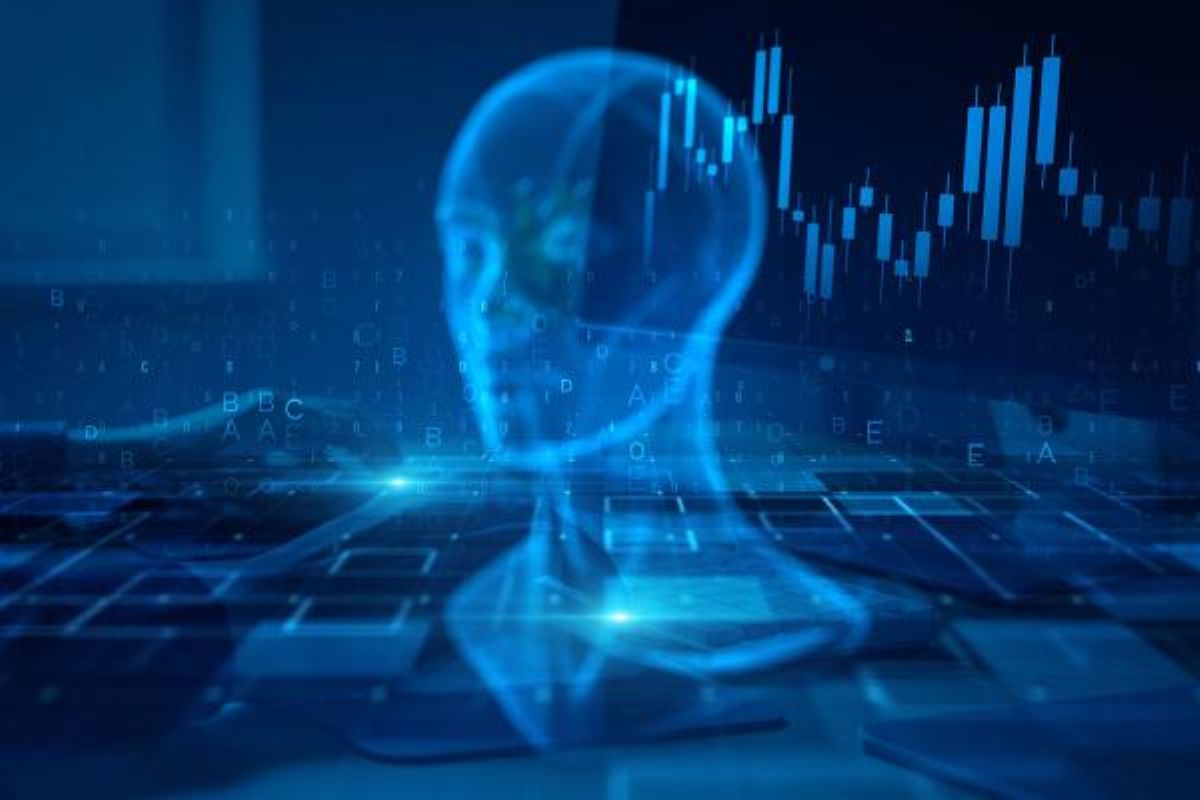
AI could be a force for good in our careers and lives. It could also lead us down a darker path. Read about three such futures that could become reality, all depending on the action Europe takes now.
Imagine it’s 2040 – a future not too far away. Thanks to AI, the economy is booming, there are many new jobs, learning is flexible and easy to access, helping everyone move forward smoothly on their own career paths. Sounds perfect, right? But let’s face it, if Europe doesn’t take the right steps, its AI-powered future could also head down a completely different path, leaving many behind. Let’s take a look at a few not-so-great scenarios.
Two dystopian scenarios we definitely don’t want
In one imaginary 2040, AI has changed the workplace so much, it’s unrecognisable. Neither governments nor employers invest in workforce skills development, mostly leaving employees to figure it out on their own. Only tech-savvy people benefit, while others struggle to remain employed. As a result, their mental and physical health suffers – and so do their finances.
In another, even worse, scenario, AI technologies and automation have taken over every part of our lives and work. Now it’s not only the workplace that’s unrecognisable, but society as a whole. A few big players control the AI landscape, influencing policymakers, the economy and society. With AI taking over most tasks, people are losing their jobs in every sector and industry – and, faced with a disposable workforce, companies no longer care about developing their workers’ skills. Once again, workers are left to their own devices and struggle to keep up with technological advances. Trade unions also don’t have much power, so there’s no one to fight for workers’ rights and interests. There aren’t enough regulations or government oversight, so the power lies largely in the hands of those major players, threatening democracy and also harming the environment.
In these two scenarios, the AI revolution only benefits the lucky few, and the gap between tech-haves and tech-have-nots becomes a chasm. This isn’t just about individual workers failing to keep up, it’s a systematic failure in which the system decides who gets to learn and who doesn’t.
Slightly better? The ‘missed opportunity’ trap
There’s also another, less depressing scenario – one where AI uptake is modest but steady. Sounds safe, right? Not quite. If we don’t properly invest in skills development, even this modest path leads to a missed golden opportunity for innovation.
In this version of 2040, the pace of change might be manageable, but it doesn’t take full advantage of AI’s potential to improve social and economic conditions. For workers, a slow rollout means the exciting, creative roles usually coming from AI breakthroughs might never materialise, leaving people stuck in a stagnant job market. The most interesting tasks are taken by a small elite, leaving the rest with the mundane work – and wasted potential. As for employers, they might escape the chaos of rapid change, but they also miss out on efficiency gains and new products that could set them apart – risking stagnation simply because the system doesn’t support widespread, meaningful adoption.
These scenarios show that future skills development depends on teamwork. By encouraging ongoing skills training together, the EU can create a workforce ready for an AI world, turning tech progress into fair, sustainable benefits for everyone.
To find out more about the different scenarios, read the report ‘Preparing for 2040’. Want to read about a more positive AI future? Then take a look at our article on how the AI revolution is built for young jobseekers.
Related links
Young and just starting your career? The AI revolution is built for you!
Read more
Find EURES Advisers
Living and working conditions in EURES countries
EURES Jobs Database
EURES services for employers
EURES Events Calendar
Upcoming Online Events
EURES on Facebook
EURES on Twitter
EURES on LinkedIn
Share this article:
EU Reporter publishes articles from a variety of outside sources which express a wide range of viewpoints. The positions taken in these articles are not necessarily those of EU Reporter. Please see EU Reporter’s full Terms and Conditions of publication for more information EU Reporter embraces artificial intelligence as a tool to enhance journalistic quality, efficiency, and accessibility, while maintaining strict human editorial oversight, ethical standards, and transparency in all AI-assisted content. Please see EU Reporter’s full A.I. Policy for more information.





Friedman Institute and Trends Group at the Italian parliament: Countering the Muslim brotherhood

Deposits to Swiss banks from Bangladeshi nationals nearly tops all time peak

Competition policy: Enforce without fear

Setting sustainable livestock farming on a strong footing

New EU plan to address the risks and opportunities of advanced AI for cybersecurity

How hair extensions can transform your look naturally

Portugal achieves major milestone with permit for offshore aquaculture facility

EU deploys wildfire support to face multiple fires across Portugal and France

EU clarifies rules to allow continued waste recovery shipments to Switzerland

European Commission’s Annual Tax Report (ART) provides latest insights into the revenue mix

Commission preliminarily finds the addictive design of Instagram and Facebook in breach of the Digital Services Act

Joint statement by High Representative/Vice-President Kallas and Commissioner Kos on the 31st anniversary of the Srebrenica genocide

European operation dismantles €10 million illicit cigarette network in Spain

Srebrenica's lesson is prevention. Why isn't the world applying It to Kashmir?

EU foreign ministers to discuss options for restricting trade with Israeli communities in Judea and Samaria

Safer cars, safer roads: New rules take effect

Kazakhstan reforms under scrutiny at Brussels Press Club round table

Japan should face up to history and contribute more to regional peace

Ambassador calls for 'speeding up' of co-operation between EU and Kazakhstan

Timur Turlov at Smart Moves Summit 2025: How chess can transform global education

Shevtsova’s case: Out-of-court sanctions dismantling trust in Ukrainian cause

The future of European transport

Trump Vs Trueman

US 'no longer' an 'unconditional ally' for Europe - MEP
-
 Islam5 days ago
Friedman Institute and Trends Group at the Italian parliament: Countering the Muslim brotherhood
-
 Bangladesh5 days ago
Deposits to Swiss banks from Bangladeshi nationals nearly tops all time peak
-
 Competition4 days ago
Competition policy: Enforce without fear
-
 Animal welfare4 days ago
Setting sustainable livestock farming on a strong footing