Maritime
From a remote island to shelves around the world: The story of Azorean canned fish

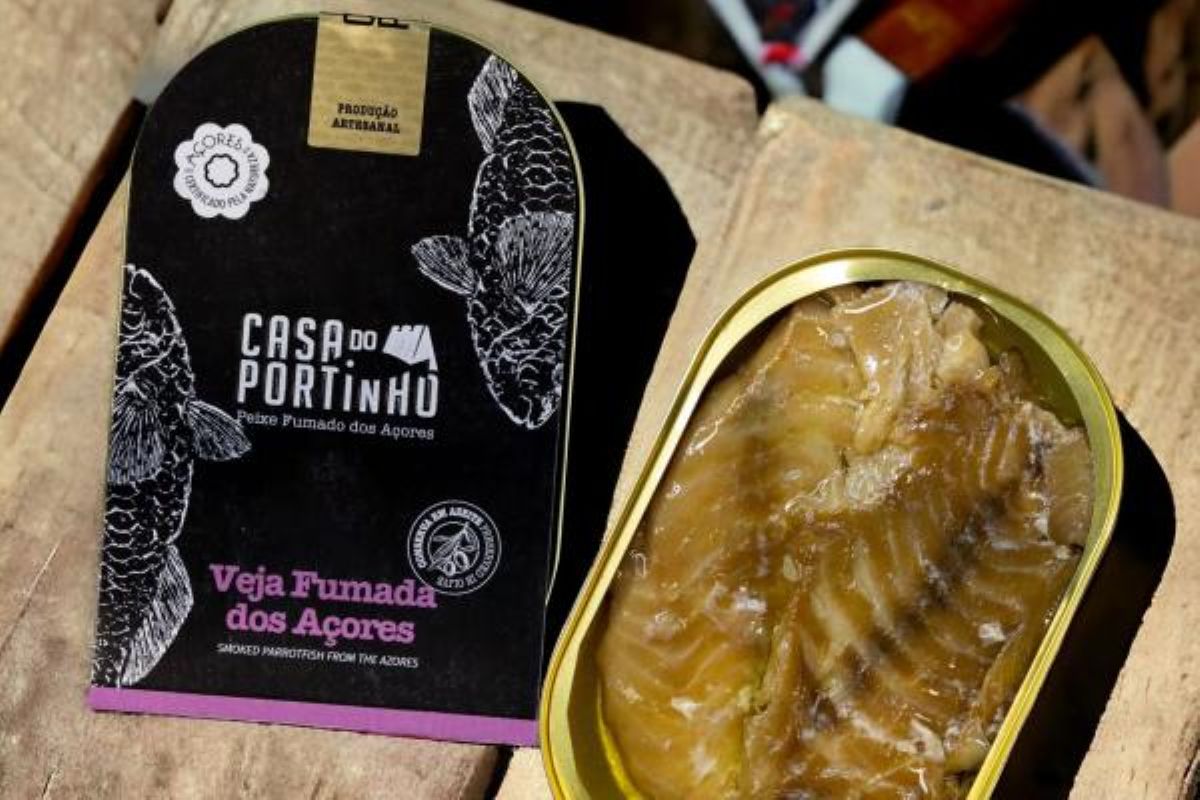
The island of Terceira in the Azores lies 1,500 km west of mainland Portugal – remote enough to make running a business complicated, let alone one built on delivering fresh fish to distant markets. Tibério Barbeito started TZT Flying Fish Azores in his twenties with exactly that ambition. Ten years later, with EU funding behind him, he has revived Terceira’s canning industry, turning locally caught fish into gourmet canned products.
From shellfish diver to entrepreneur
Growing up in the Azores, Tibério learned to dive for shellfish with his cousins long before it became his livelihood. In his early twenties he obtained his professional shellfish licence - one of only 15 on the island - and began collecting limpets for the local market.
When the economic crisis pushed prices down, he looked outwards, finding better returns by selling shellfish abroad. Lobster followed, then fresh fish purchased from local fishers. But ensuring the quality of fresh fish over long distances proved far more difficult than ensuring the quality of shellfish.

Finding a new way forward
A documentary on smoked Alaskan salmon sparked the idea. Tibério began experimenting with cold-smoking local fish species, testing batches on family and friends until the result was good enough to sell. The Azores had never had a smoked fish product before – now they did.
His next idea was to diversify into canning, but this required financial support he did not have. He approached Grater, the Fisheries Local Action Group, which helped him secure an EU grant covering 75% of the cost of the equipment needed to set up his canning operation. A second grant funded a professional marketing plan to ensure these new products met with success. “All entrepreneurs should contact Grater and learn about all its measures and support, because they can make all the difference between growing or stagnating in their business”, says Tibério.
His canned products, sold under the brand Casa do Portinho, use fresh fish landed by the local fleet - horse mackerel, Atlantic bonito with safflower, limpets and two species found in no other canned product in the world: ray and barracuda.
Overcoming the challenges of outermost regions
For businesses in places like the Azores, the economics are unforgiving. Equipment arrives slowly and at great cost. Local markets are small. Fresh products require fast, reliable logistics that island life rarely guarantees. Canning changed that equation entirely. “It was the best decision I could have made,” says Tibério. “I safeguarded the continuity of the business”. The canning activities doubled the company’s revenues and allowed him to take on a second team member.
Casa do Portinho’s artisanal products are also helping to strengthen the island’s identity. The company focuses on adding value to fish sustainably landed by the local fleet, combining traditional methods with innovative ideas. “At first, it was difficult”, says Tibério, “because I wanted the product to be perfect and unique – but I managed to achieve that, which is extremely rewarding”.
For communities like Terceira, where geographic isolation drives up costs and limits local markets, support from the European Maritime, Fisheries and Aquaculture Fund and from Fisheries Local Action Groups can make the difference between a business that grows and one that does not. Today, Casa do Portinho’s canned products sit on shelves in France, Spain, Switzerland and the United States – a long way from a single shellfish licence on a small Atlantic island.

More information
Share this article:
EU Reporter publishes articles from a variety of outside sources which express a wide range of viewpoints. The positions taken in these articles are not necessarily those of EU Reporter. Please see EU Reporter’s full Terms and Conditions of publication for more information EU Reporter embraces artificial intelligence as a tool to enhance journalistic quality, efficiency, and accessibility, while maintaining strict human editorial oversight, ethical standards, and transparency in all AI-assisted content. Please see EU Reporter’s full A.I. Policy for more information.



PMI defends AI consultation tool as scrutiny grows over EU tobacco rules review

Astana's congress of world religions: A global platform for dialogue in an age of division

Rating of American Express casino sites in the UK

How Schuman lost Its way

Protect children from online sexual abuse: Call for urgent negotiations and permanent solution

Solana company partners with Kazakhstan on $6B Alatau Crypto Megacity

Will the Gulf monarchies rise above internecine disputes in the interest of collective security?

Kyrgyzstan launches Tamchy SFIT: A new international jurisdiction as a gateway to Eurasia

Deposits to Swiss banks from Bangladeshi nationals nearly tops all time peak

EU agricultural markets remain robust despite uncertainties and rising input costs

Commission report highlights achievements of EU rules on animal health

EU deploys wildfire support to face multiple fires across Portugal and France

Europe’s job market is shifting, and EURES is ready to lead the way into 2030

From a remote island to shelves around the world: The story of Azorean canned fish

Can digital sovereignty survive an open trading system?

Can the EU resist US pressure on medicine prices?

Kazakhstan reforms under scrutiny at Brussels Press Club round table

Japan should face up to history and contribute more to regional peace

Ambassador calls for 'speeding up' of co-operation between EU and Kazakhstan

Timur Turlov at Smart Moves Summit 2025: How chess can transform global education

Shevtsova’s case: Out-of-court sanctions dismantling trust in Ukrainian cause

The future of European transport

Trump Vs Trueman

US 'no longer' an 'unconditional ally' for Europe - MEP
-
 European Commission5 days ago
PMI defends AI consultation tool as scrutiny grows over EU tobacco rules review
-
 Kazakhstan2 days ago
Astana's congress of world religions: A global platform for dialogue in an age of division
-
 General5 days ago
Rating of American Express casino sites in the UK
-
 Brussels5 days ago
How Schuman lost Its way