coronavirus
Next pandemic could be more lethal than COVID, vaccine creator says


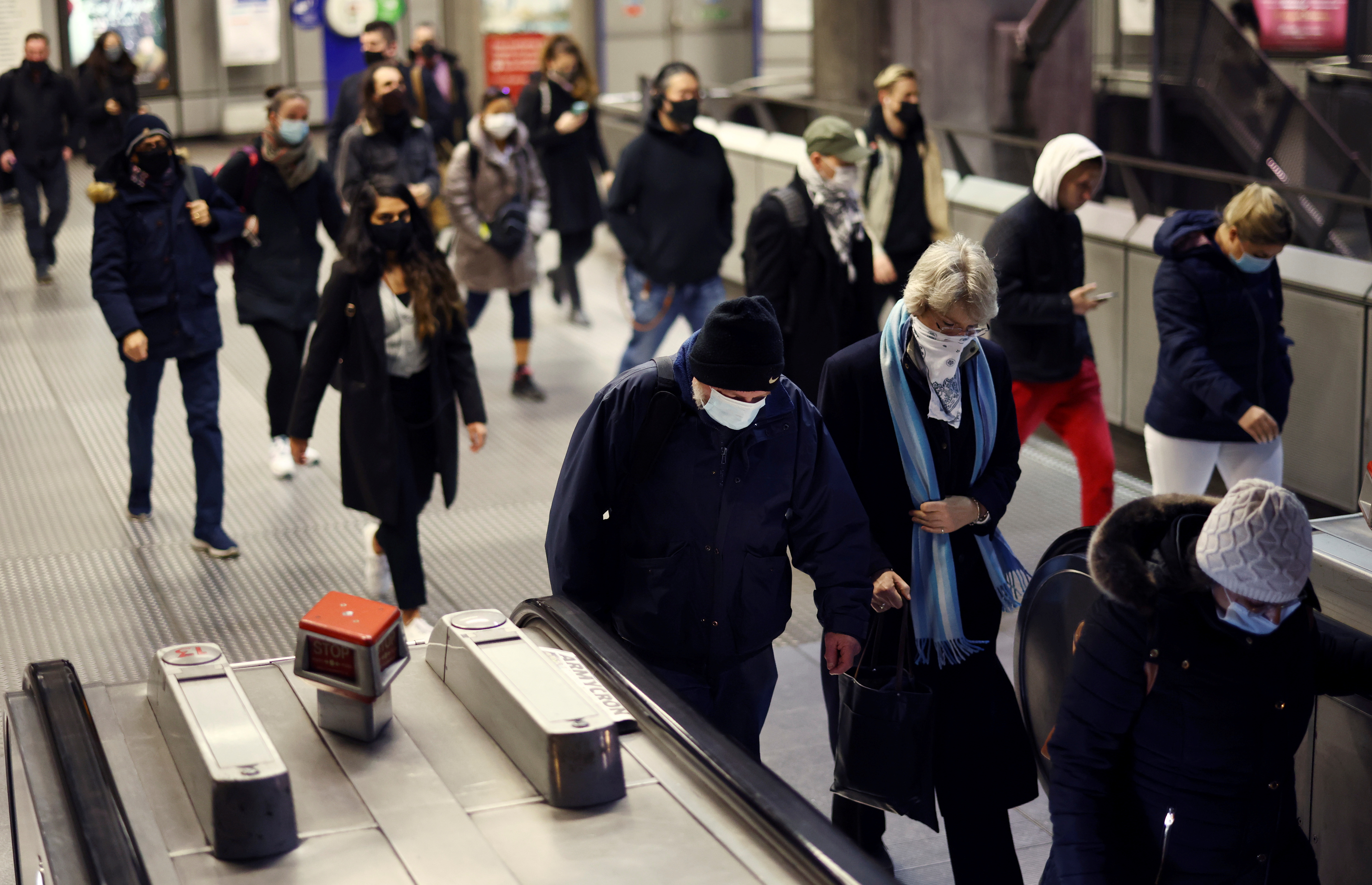
Future pandemics could be even more lethal than COVID-19 so the lessons learned from the outbreak must not be squandered and the world should ensure it is prepared for the next viral onslaught, one of the creators of the Oxford-AstraZeneca vaccine said, write Guy Faulconbridge and Stephanie Nebehay, Reuters.
The novel coronavirus has killed 5.26 million people across the world, according to Johns Hopkins University, wiped out trillions of dollars in economic output and turned life upside down for billions of people.
"The truth is, the next one could be worse. It could be more contagious, or more lethal, or both," Sarah Gilbert said in the Richard Dimbleby Lecture, the BBC reported. "This will not be the last time a virus threatens our lives and our livelihoods."
Gilbert, a professor of vaccinology at the University of Oxford, said the world should make sure it is better prepared for the next virus.
"The advances we have made, and the knowledge we have gained, must not be lost," she said.
Efforts to end the COVID-19 pandemic have been uneven and fragmented, marked by limited access to vaccines in low-income countries while the "healthy and wealthy" in rich countries get boosters, health experts say.
A panel of health experts set up by the World Health Organisation to review the handling of the SARS-CoV-2 pandemic has called for permanent funding and for greater ability to investigate pandemics through a new treaty. Read more.
One proposal was for new financing of at least $10 billion a year for pandemic preparedness.
The COVID-19 outbreak was first detected in China in late 2019. Vaccines were developed against the virus in record time.
Gilbert said the Omicron variant's spike protein contained mutations known to increase the transmissibility of the virus.
"There are additional changes that may mean antibodies induced by the vaccines, or by infection with other variants, may be less effective at preventing infection with Omicron," Gilbert said.
"Until we know more, we should be cautious, and take steps to slow down the spread of this new variant."
Share this article:
EU Reporter publishes articles from a variety of outside sources which express a wide range of viewpoints. The positions taken in these articles are not necessarily those of EU Reporter. Please see EU Reporter’s full Terms and Conditions of publication for more information EU Reporter embraces artificial intelligence as a tool to enhance journalistic quality, efficiency, and accessibility, while maintaining strict human editorial oversight, ethical standards, and transparency in all AI-assisted content. Please see EU Reporter’s full A.I. Policy for more information.






Stepping out...to get the UK back in European Union

Europe must not turn its back on rural women’s empowerment

Commission accelerates transition away from animal testing in chemical safety assessments

Counterfeit cigarettes drive illicit tobacco trade to highest level in a decade, new study claims

High-speed drama shatters Monaco’s tranquil façade

Republic of Moldova joins European Patent Organization as 40th member state

Commission proposes new authorization for mobile satellite services for EU's resilience and competitiveness

Defending values, driving reform, delivering impact: New measures to strengthen EU humanitarian action

Inconvenient questions about Andorra and San Marino that Brussels should be asking

How digital wallets are changing the way Welsh consumers pay for online services

Impasse in European Union Tobacco Tax Reform: The Swedish veto

EU Cybersecurity Act could expose member states to costly investment treaty claims, legal opinion warns

Várhelyi says unilateral measures by the US against the EU ‘would not be justified’

Libya’s fuel crisis offers lessons for energy security on both sides of the Mediterranean

490+ experts call for €10 billion ring-fenced health allocation in EU budget

ENVI opinion signals early resistance to Biotech Act SPC extension

Kazakhstan reforms under scrutiny at Brussels Press Club round table

Japan should face up to history and contribute more to regional peace

Ambassador calls for 'speeding up' of co-operation between EU and Kazakhstan

Timur Turlov at Smart Moves Summit 2025: How chess can transform global education

Shevtsova’s case: Out-of-court sanctions dismantling trust in Ukrainian cause

The future of European transport

Trump Vs Trueman

US 'no longer' an 'unconditional ally' for Europe - MEP
-
 Brexit4 days ago
Stepping out...to get the UK back in European Union
-
 Gender equality4 days ago
Europe must not turn its back on rural women’s empowerment
-
 Animal welfare4 days ago
Commission accelerates transition away from animal testing in chemical safety assessments
-
 Health2 days ago
Counterfeit cigarettes drive illicit tobacco trade to highest level in a decade, new study claims