Energy
Energy use in the industry sector continues to decline

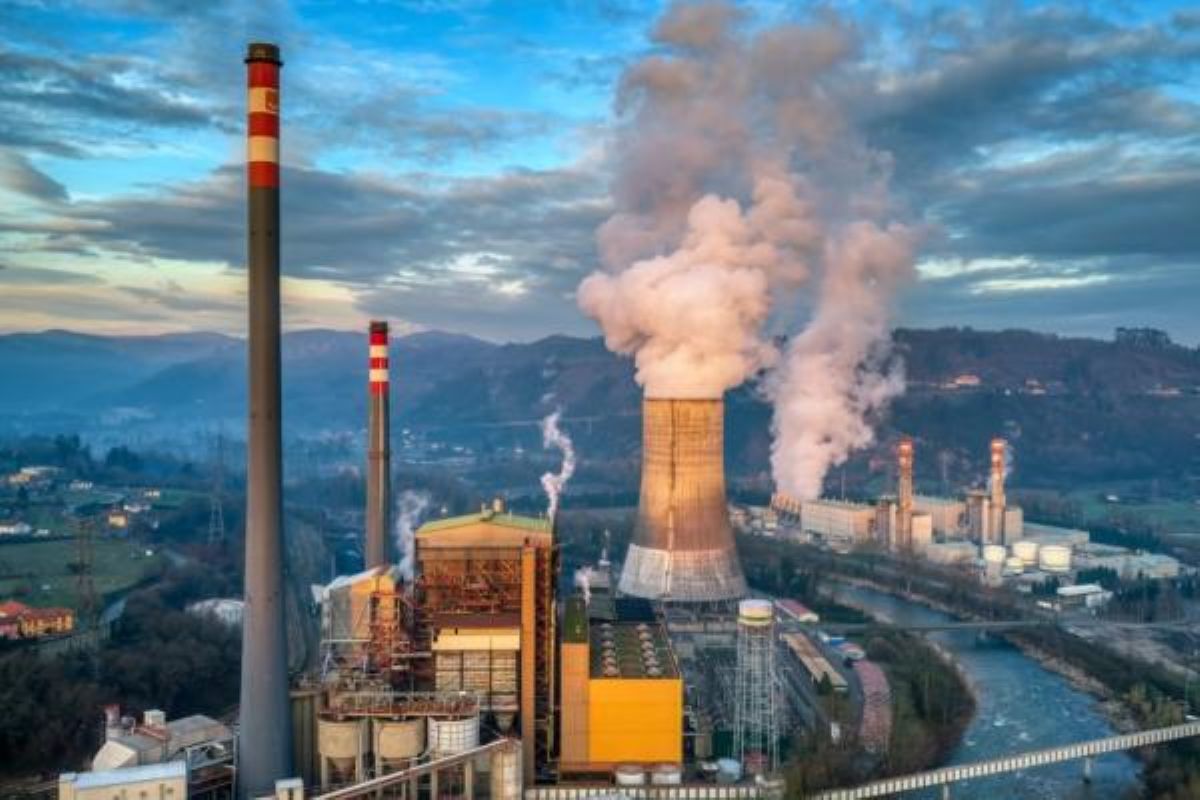
In 2024, the EU’s industry sector used 8 835 petajoules (PJ) of energy, an 8.1% decrease compared with 2014. The final energy consumption has been steadily declining since 1990.
Most of the energy consumed by industry came from electricity (2 945 PJ; 33.3%) and natural gas (2 817 PJ; 31.9%). Renewables and biofuels came third (999 PJ; 11.3%), surpassing oil and petroleum products (922 PJ; 10.4%). The remaining energy came from solid fossil fuels (484 PJ; 5.5%), heat (483 PJ; 5.5%) and non-renewable waste (186 PJ; 2.1%).
Compared with 2014, there was a decline in the consumption of most energy products. The largest relative decreases were in solid fossil fuels (-34.8%) and heat (-23.7%). The use of 2 energy products increased: non-renewable waste (+32.1%) and renewables and biofuels (+24.3%).
Source dataset: nrg_bal_s
Growing energy consumption in the food industry
The food, beverages and tobacco industry consumed 1 134 petajoules, or 12.8% of the total industry production. Contrary to the overall industry trend, energy consumption in this sector increased by 4.7% compared with 2014.
Most of the energy used in the food, beverages and tobacco sector came from natural gas (525 PJ; 46.3%) and electricity (401 PJ; 35.3%). The remaining energy was from renewables and biofuels (68 PJ; 6.0%), oil and petroleum products (60 PJ; 5.3%), heat (47 PJ; 4.2%), solid fossil fuels (32 PJ; 2.8%) and non-renewable waste (1 PJ; 0.1%).
The largest relative increase was recorded in the use of energy from renewables and biofuels (+68.4%) and non-renewable waste (+47.4%). However, increases were also recorded for electricity (+8.1%) and natural gas (+5.0%). In contrast, the use of solid fossil fuels declined by 36.4%.
Source dataset: nrg_bal_s
For more information
- Statistics Explained article on final energy consumption in industry - detailed statistics
- Thematic section on energy
- Database on energy
- Energy in Europe – 2026 edition
- Interactive energy visualizations
Share this article:
EU Reporter publishes articles from a variety of outside sources which express a wide range of viewpoints. The positions taken in these articles are not necessarily those of EU Reporter. Please see EU Reporter’s full Terms and Conditions of publication for more information EU Reporter embraces artificial intelligence as a tool to enhance journalistic quality, efficiency, and accessibility, while maintaining strict human editorial oversight, ethical standards, and transparency in all AI-assisted content. Please see EU Reporter’s full A.I. Policy for more information.





2026 could be decisive for the future of Europe’s hypersonic shield

A new chapter for Europe and Africa begins in Nairobi

Electric car sales surge as high oil prices drive shift away from fossil fuels

Who are Europe’s next gender equality champions? Applications are now open

Is the ‘King of the North’ on course to topple the prime minister of the UK?

Finland and Sweden prepare procurement of Arctic mobility vehicles developed under the European Defence Fund-supported FAMOUS project

Azerbaijan and the emerging alliance reshaping the Middle East

Going down a treat - that's Belgian wine

Inaccurate clothing labels a systemic issue, EU testing finds

EU-funded technology strengthening Europe’s security

Thousands of Iranians from Belgium to join the Free Iran Rally in Paris

CEF Transport: €1.1 billion available for infrastructure projects across the EU

Serving up success for Belgium

Kallas responds to Sa’ar: ‘The EU and Israel have a lot that binds us’

Brexit has hurt Britain but also made the UK more like a European nation than ever before

Commission defends Urban Wastewater Directive against EPP-ECR challenge

Kazakhstan reforms under scrutiny at Brussels Press Club round table

Japan should face up to history and contribute more to regional peace

Ambassador calls for 'speeding up' of co-operation between EU and Kazakhstan

Timur Turlov at Smart Moves Summit 2025: How chess can transform global education

Shevtsova’s case: Out-of-court sanctions dismantling trust in Ukrainian cause

The future of European transport

Trump Vs Trueman

US 'no longer' an 'unconditional ally' for Europe - MEP
-
 Defence4 days ago
2026 could be decisive for the future of Europe’s hypersonic shield
-
 Nairobi4 days ago
A new chapter for Europe and Africa begins in Nairobi
-
 Transport4 days ago
Electric car sales surge as high oil prices drive shift away from fossil fuels
-
 Gender equality4 days ago
Who are Europe’s next gender equality champions? Applications are now open