Belarus
#Nuclear energy in the Republic of Belarus

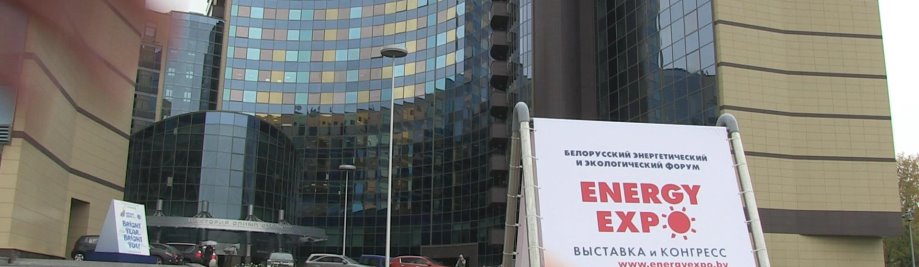
In the framework of the round table “Nuclear energy development prospects: aspects of security, ecology, economics and sustainable development”, experts in the field of energy, economics and environmental protection have discussed some topics related to the construction of the first Belarusian nuclear power plant.
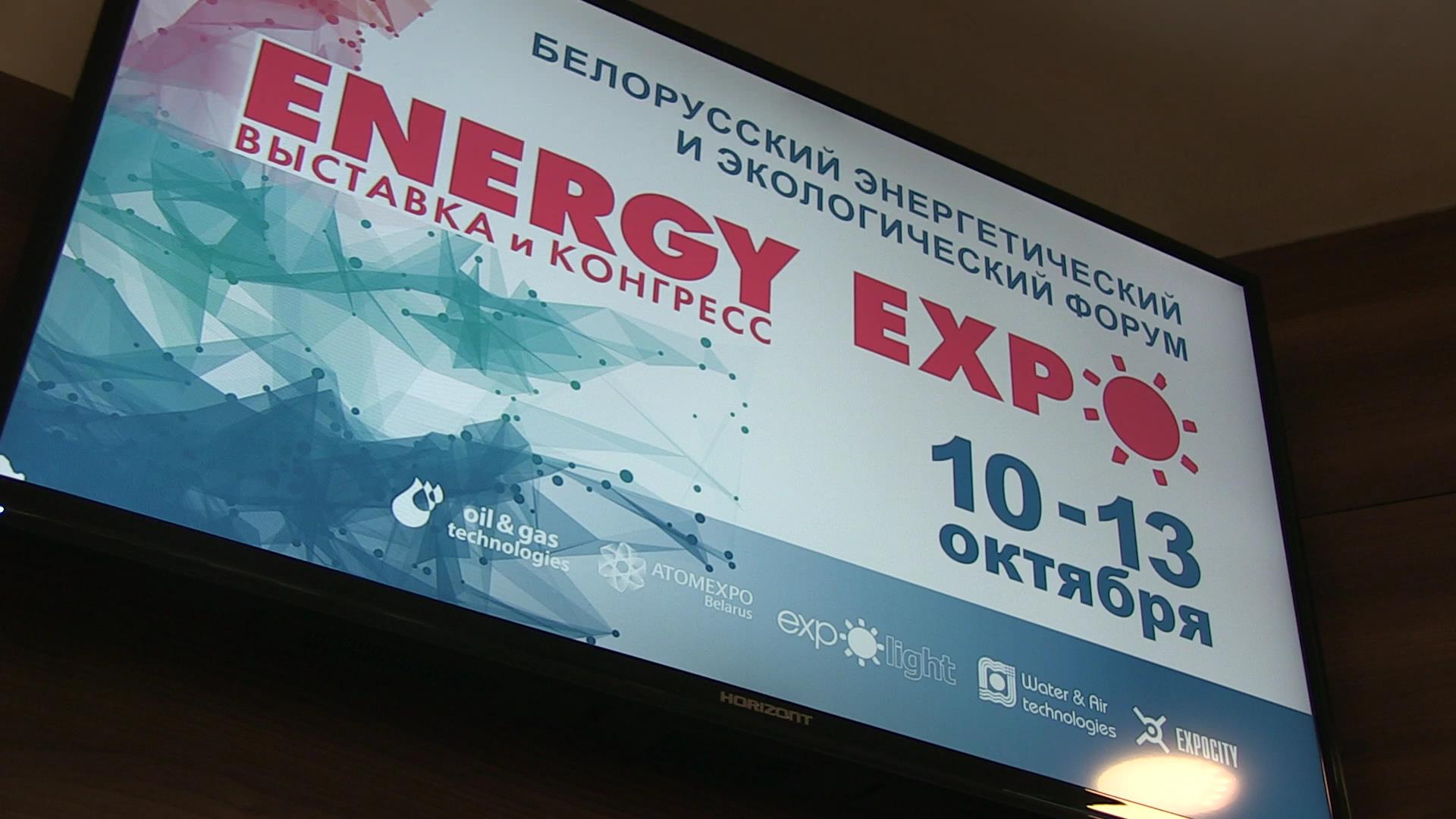 The round table was held within the framework of the XXII Belarusian Energy and Ecology Forum, which took place in Minsk from October 10th to October 13th. The event brought together Belarusian and international experts from government agencies, scientific institutions and community organizations.

The key topics of the discussion included development of nuclear energy, its environmental aspects and construction of the Republic’s first nuclear power plant.
The forum was organized by the Ministry of Energy, Ministry of Natural Resources and Environmental Protection, Ministry of Emergencies and the Ministry of Economy of the Republic of Belarus.
"Today, the question of the reduction of carbon dioxide emissions into the atmosphere and compliance with the requirements of the Paris agreements on climate change adopted in 2015 is a top priority for the global community. For Belarus, due to its geographical location, natural conditions and climatic features, NPP construction is the best way to fulfill its international obligations while maintaining its current level of energy consumption. It is highly important for us to carry out this project in accordance with the principles of openness and transparency", said Vitaly Malishevskiy, NPP Deputy Chief Engineer for engineering support, Head of the Production and Technical Department of the state enterprise Belarusian NPP.

Vladimir Potupchik, Minister for Energy
During the round table the Belarusian NPP’s construction experience was examined in an international context as a worthy example of the best practices to ensure the safety of modern nuclear power plants.
“The challenges of recent decades have formed a new, even more rigid understanding of safety of nuclear power plants. Even a specific term “post-Fukushima requirements” has been coined. These requirements are necessarily taken into consideration in the design of modern nuclear facilities. The facilities that correspond to these requirements are able to withstand external hazards such as earthquake, tsunami, flood, aircraft crash. It should be noted that all of the above is true for the Belarusian NPP project. The project belongs to the most advanced generation III+, fully meeting the current requirements and having improved technical and economic parameters. At present, new NPPs are being built in 15 countries in the world, and in the near future such countries as Great Britain, Hungary and Finland are planning to begin construction works. In this regard the Belarusian experience can set an excellent example for them”, noted Hárfás Zsolt, member of the Hungarian society Elektrotechnika.
Special attention was paid to radiation safety and environment monitoring issues. The work in this area is carried out in strict compliance with IAEA requirements and in active interaction with expert community and environmental organizations. The study of public opinion on the construction of the Belarusian NPP and development of the country’s nuclear program, as well as informing population on the project implementation are considered very important issues.
“Public environmental monitoring of the NPP construction in Belarus is carried out by the Public information center for environmental safety in the construction and operation of nuclear power plants in Belarus from the outset of the project. Environmental objects (soil, air, water) in the region of the construction of the Belarusian NPP are subject to regular radiation monitoring within the framework of monitoring missions, and monitoring results are available to the population of Belarus and other countries. We are interested in strengthening international cooperation in monitoring the impact of the nuclear power plant on the environment so that all parties are confident of the objectivity and completeness of the information received, and we are making every effort to achieve this”, said Olga Volkova, Deputy Chairman of the Council of the Belarusian NGO “Environmental Initiative”.
Reference:
The Belarusian NPP is being built 18 km away from the city of Ostrovets (Grodno region) and will consist of two water-water type reactors VVER-1200 of Russian design with total capacity of 2400 MW. For its construction the Russian project of the new generation III+ with improved technical and economic parameters was chosen, which complies with the latest “post-Fukushima” safety requirements and environmental, sanitary and hygiene legislation.
Share this article:
EU Reporter publishes articles from a variety of outside sources which express a wide range of viewpoints. The positions taken in these articles are not necessarily those of EU Reporter. Please see EU Reporter’s full Terms and Conditions of publication for more information EU Reporter embraces artificial intelligence as a tool to enhance journalistic quality, efficiency, and accessibility, while maintaining strict human editorial oversight, ethical standards, and transparency in all AI-assisted content. Please see EU Reporter’s full A.I. Policy for more information.



2026 could be decisive for the future of Europe’s hypersonic shield

A new chapter for Europe and Africa begins in Nairobi

Electric car sales surge as high oil prices drive shift away from fossil fuels

Who are Europe’s next gender equality champions? Applications are now open

Is the ‘King of the North’ on course to topple the prime minister of the UK?

Finland and Sweden prepare procurement of Arctic mobility vehicles developed under the European Defence Fund-supported FAMOUS project

In focus: Improving the energy performance of buildings

Azerbaijan and the emerging alliance reshaping the Middle East

Inaccurate clothing labels a systemic issue, EU testing finds

EU-funded technology strengthening Europe’s security

Thousands of Iranians from Belgium to join the Free Iran Rally in Paris

CEF Transport: €1.1 billion available for infrastructure projects across the EU

Serving up success for Belgium

Kallas responds to Sa’ar: ‘The EU and Israel have a lot that binds us’

Brexit has hurt Britain but also made the UK more like a European nation than ever before

Commission defends Urban Wastewater Directive against EPP-ECR challenge

Kazakhstan reforms under scrutiny at Brussels Press Club round table

Japan should face up to history and contribute more to regional peace

Ambassador calls for 'speeding up' of co-operation between EU and Kazakhstan

Timur Turlov at Smart Moves Summit 2025: How chess can transform global education

Shevtsova’s case: Out-of-court sanctions dismantling trust in Ukrainian cause

The future of European transport

Trump Vs Trueman

US 'no longer' an 'unconditional ally' for Europe - MEP
-
 Defence4 days ago
2026 could be decisive for the future of Europe’s hypersonic shield
-
 Nairobi4 days ago
A new chapter for Europe and Africa begins in Nairobi
-
 Transport4 days ago
Electric car sales surge as high oil prices drive shift away from fossil fuels
-
 Gender equality4 days ago
Who are Europe’s next gender equality champions? Applications are now open