EU
International data flows: Commission launches the adoption of its adequacy decision on #Japan


Following the conclusion of the EU-Japan talks on personal data protection in July 2018, the Commission has launched the procedure for the adoption of its adequacy decision.
Justice, Consumers and Gender Equality Commissioner Věra Jourová briefed the College on the next steps and the Commission is publishing the draft adequacy decision and the related documents.
This includes the additional safeguards that Japan will apply to EU personal data transferred to Japan, as well as commitments regarding access to personal data by Japanese public authorities for law enforcement and national security purposes, guaranteeing that their level of data protection is adequate to that of the EU's. Japan is also going through a similar process to recognize the EU's data protection framework. Commissioner Jourová said: “We are creating the world's largest area of safe data flows. Personal data will be able to travel safely between the EU and Japan to the benefit of both our citizens and our economies. Our partnership will promote global standards for data protection and set an example for future partnerships in this key area.”
Each side is now going through its internal procedures towards the final adoption of its reciprocal adequacy finding. For the EU, this involves obtaining an opinion from the European Data Protection Board (EDPB) and the green light from a committee composed of representatives of the EU member states. Once this procedure will have been completed, the Commission will adopt the adequacy decision on Japan.
A press release, a Q&A and a factsheet are available online.
Share this article:
EU Reporter publishes articles from a variety of outside sources which express a wide range of viewpoints. The positions taken in these articles are not necessarily those of EU Reporter. Please see EU Reporter’s full Terms and Conditions of publication for more information EU Reporter embraces artificial intelligence as a tool to enhance journalistic quality, efficiency, and accessibility, while maintaining strict human editorial oversight, ethical standards, and transparency in all AI-assisted content. Please see EU Reporter’s full A.I. Policy for more information.



Stepping out...to get the UK back in European Union

Europe must not turn its back on rural women’s empowerment

Commission accelerates transition away from animal testing in chemical safety assessments

Counterfeit cigarettes drive illicit tobacco trade to highest level in a decade, new study claims

High-speed drama shatters Monaco’s tranquil façade

Republic of Moldova joins European Patent Organization as 40th member state

Commission proposes new authorization for mobile satellite services for EU's resilience and competitiveness

Commission disburses €7.2 billion to Poland under NextGenerationEU

Inconvenient questions about Andorra and San Marino that Brussels should be asking

How digital wallets are changing the way Welsh consumers pay for online services

Impasse in European Union Tobacco Tax Reform: The Swedish veto

EU Cybersecurity Act could expose member states to costly investment treaty claims, legal opinion warns

Várhelyi says unilateral measures by the US against the EU ‘would not be justified’

Libya’s fuel crisis offers lessons for energy security on both sides of the Mediterranean

490+ experts call for €10 billion ring-fenced health allocation in EU budget

ENVI opinion signals early resistance to Biotech Act SPC extension

Kazakhstan reforms under scrutiny at Brussels Press Club round table

Japan should face up to history and contribute more to regional peace

Ambassador calls for 'speeding up' of co-operation between EU and Kazakhstan

Timur Turlov at Smart Moves Summit 2025: How chess can transform global education

Shevtsova’s case: Out-of-court sanctions dismantling trust in Ukrainian cause

The future of European transport

Trump Vs Trueman

US 'no longer' an 'unconditional ally' for Europe - MEP
-
 Brexit5 days ago
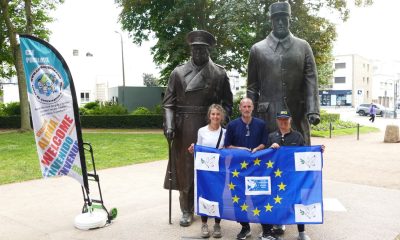
Stepping out...to get the UK back in European Union
-
 Gender equality5 days ago
Europe must not turn its back on rural women’s empowerment
-
 Animal welfare4 days ago
Commission accelerates transition away from animal testing in chemical safety assessments
-
 Health3 days ago
Counterfeit cigarettes drive illicit tobacco trade to highest level in a decade, new study claims