General
Fire extinguishers and fire extinguisher stands: Are you up to date?

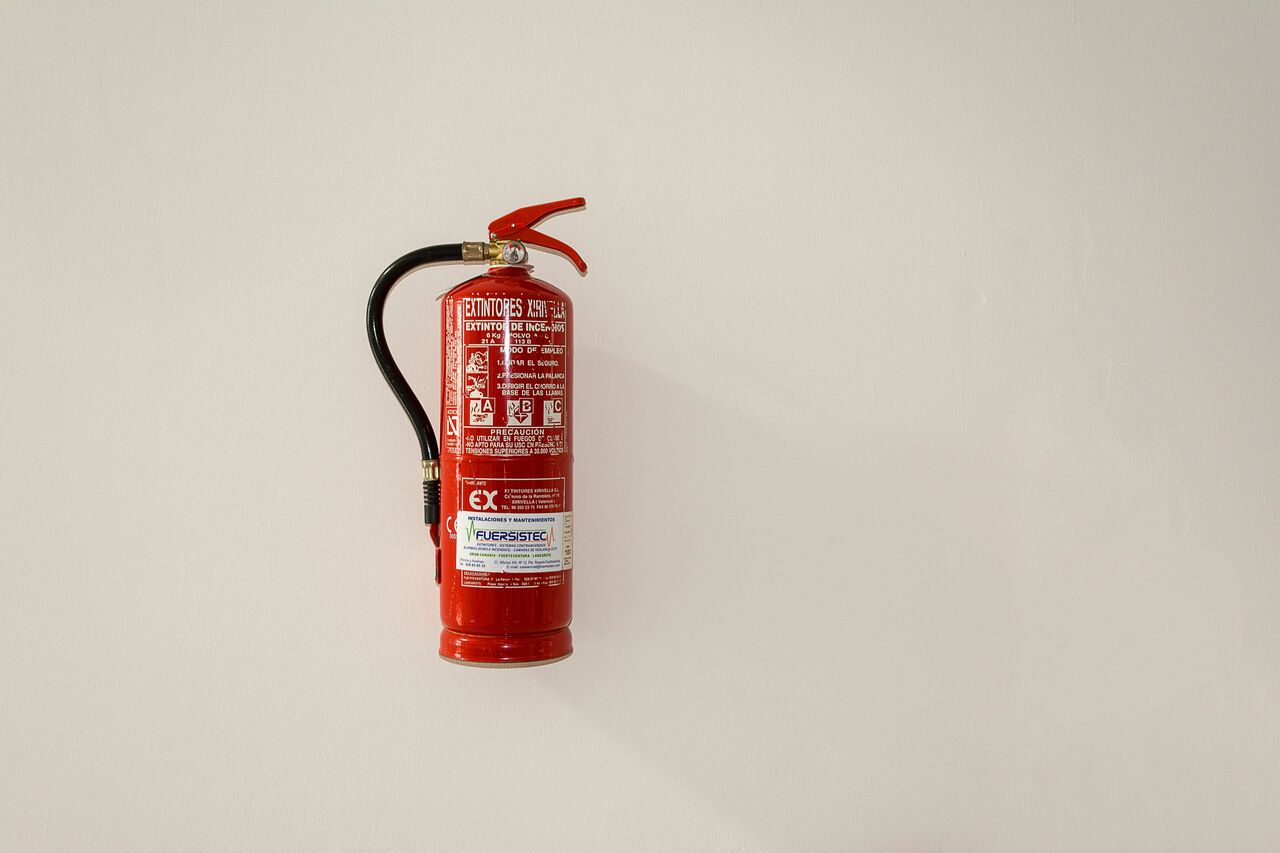
When you run a business, you are in charge of everyone's safety and part of looking after your employees' safety includes fire safety. Fire safety is something that every business should take seriously. While many organisations understand the importance of having fire extinguishers on-site, fewer take the time to ensure their equipment, placement, and supporting accessories remain compliant with current regulations and best practices.
No matter the type of business you run, whether that's an office, warehouse, retail facility or a public space like a gym, staying up to date with fire extinguishers and a fire extinguisher stand is important, as if something does happen (which we hope it doesn’t), you want to know you have everything in place to effectively stop a fire from spreading. Regularly reviewing your fire safety provisions can help ensure your business remains prepared, compliant and ready to protect both people and property.
Below, we look more into fire extinguishers and fire extinguisher stands
Why fire extinguishers are essential
Having fire extinguishers dotted around your premises is very important. As you can imagine, if a fire breaks out, they are the first line of defence. When used correctly, they can help prevent a small incident from escalating into a much larger emergency, protecting everything from the people inside to your equipment.
There are different types of fire extinguishers designed to tackle different fire risks. Water extinguishers are commonly used for combustible materials such as wood and paper, while CO₂ extinguishers are often found in offices and environments where electrical equipment is present. Foam, powder and wet chemical extinguishers are also available, each designed to deal with specific fire hazards.
It’s important you make sure you have the correct type of extinguisher, as the last thing you want is for something to happen but you realise you don’t have the correct one. Part of ensuring you are up to date with the right one is regularly reviewing your fire risk assessments
Are your fire extinguishers still compliant?
It happens a lot where businesses install fire extinguishers, then forget about them and never check them, until they are needed. This is a really bad practice, and something you should not do. Fire safety equipment requires regular inspection and maintenance to ensure it remains effective. Fire extinguishers should be serviced annually by a qualified professional and checked regularly for signs of damage, corrosion or pressure loss. Signage should also remain visible and up to date, helping employees and visitors quickly identify the location of fire safety equipment in an emergency.
If you have had any changes made to your premises, such as a workplace layout change, this may mean that your existing fire safety arrangements need updating. What worked a few years ago may no longer be the most effective solution today. There are many scenarios you wouldn’t want to find yourself in, as in tragic situations where a fire breaks out and you don’t have the right protocols in place when it comes to fire extinguishers.
The importance of fire extinguisher stands
While fire extinguishers themselves are essential, many businesses overlook the importance of how they are stored and displayed. Fire extinguisher stands play an important role in ensuring extinguishers remain visible and, most importantly, accessible should something occur.
There are a variety of stands which you can use in your premises; the one you choose will very much depend on the type of premises you operate, the available space and your specific fire safety requirements. Some stands are designed to hold a single extinguisher, while others can accommodate multiple units and accompanying signage. This flexibility makes them suitable for a wide range of environments, from offices and retail stores to warehouses and public buildings.
Common fire safety mistakes businesses make
Even businesses that take fire safety seriously can sometimes overlook important details. Unfortunately, small mistakes can have serious consequences if a fire does occur. By understanding some of the most common fire safety mistakes, you can take proactive steps to reduce risk and improve safety throughout your workplace.
We mentioned it above, but one common mistake is that businesses fail to service their fire extinguishers regularly. Many business owners assume that once an extinguisher has been installed, it will remain effective indefinitely. In reality, fire extinguishers should be inspected regularly and serviced annually by a qualified professional to ensure they are in good working condition.
Another mistake which we touched on above is using the wrong type of fire extinguisher. Different extinguishers are designed for different types of fires, and using the wrong one could make a situation worse rather than better.
Have you recently reviewed your fire protocols, and when was the last time you serviced your fire extinguishers? Do you manage to keep them up to date, and what would your advice be to businesses looking to upgrade theirs?
Share this article:

EU Reporter publishes articles from a variety of outside sources which express a wide range of viewpoints. The positions taken in these articles are not necessarily those of EU Reporter. Please see EU Reporter’s full Terms and Conditions of publication for more information EU Reporter embraces artificial intelligence as a tool to enhance journalistic quality, efficiency, and accessibility, while maintaining strict human editorial oversight, ethical standards, and transparency in all AI-assisted content. Please see EU Reporter’s full A.I. Policy for more information.



Protect children from online sexual abuse: Call for urgent negotiations and permanent solution

Astana's congress of world religions: A global platform for dialogue in an age of division

Solana company partners with Kazakhstan on $6B Alatau Crypto Megacity

Will the Gulf monarchies rise above internecine disputes in the interest of collective security?

Europe must double down on nuclear progress to achieve its long-term ambitions

International Plastic Bag Free Day – from single use to reuse

Study: Europe's defense runs on American servers

MEPs supportive of draft Biotech report, but divisions over incentives remain

Quarterly reports show a surge in solar energy and e-vehicles, with record highs in 2025

EU deploys wildfire support to face multiple fires across Portugal and France

New EU plan to address the risks and opportunities of advanced AI for cybersecurity

Portugal achieves major milestone with permit for offshore aquaculture facility

Setting sustainable livestock farming on a strong footing

Competition policy: Enforce without fear

Friedman Institute and Trends Group at the Italian parliament: Countering the Muslim brotherhood

How hair extensions can transform your look naturally

Kazakhstan reforms under scrutiny at Brussels Press Club round table

Japan should face up to history and contribute more to regional peace

Ambassador calls for 'speeding up' of co-operation between EU and Kazakhstan

Timur Turlov at Smart Moves Summit 2025: How chess can transform global education

Shevtsova’s case: Out-of-court sanctions dismantling trust in Ukrainian cause

The future of European transport

Trump Vs Trueman

US 'no longer' an 'unconditional ally' for Europe - MEP
-
 Child sexual abuse4 days ago
Protect children from online sexual abuse: Call for urgent negotiations and permanent solution
-
 Kazakhstan4 days ago
Astana's congress of world religions: A global platform for dialogue in an age of division
-
 Kazakhstan4 days ago
Solana company partners with Kazakhstan on $6B Alatau Crypto Megacity
-
 Iran4 days ago
Will the Gulf monarchies rise above internecine disputes in the interest of collective security?