Russia
Moscow says 700,000 children from Ukraine conflict zones now in Russian territory

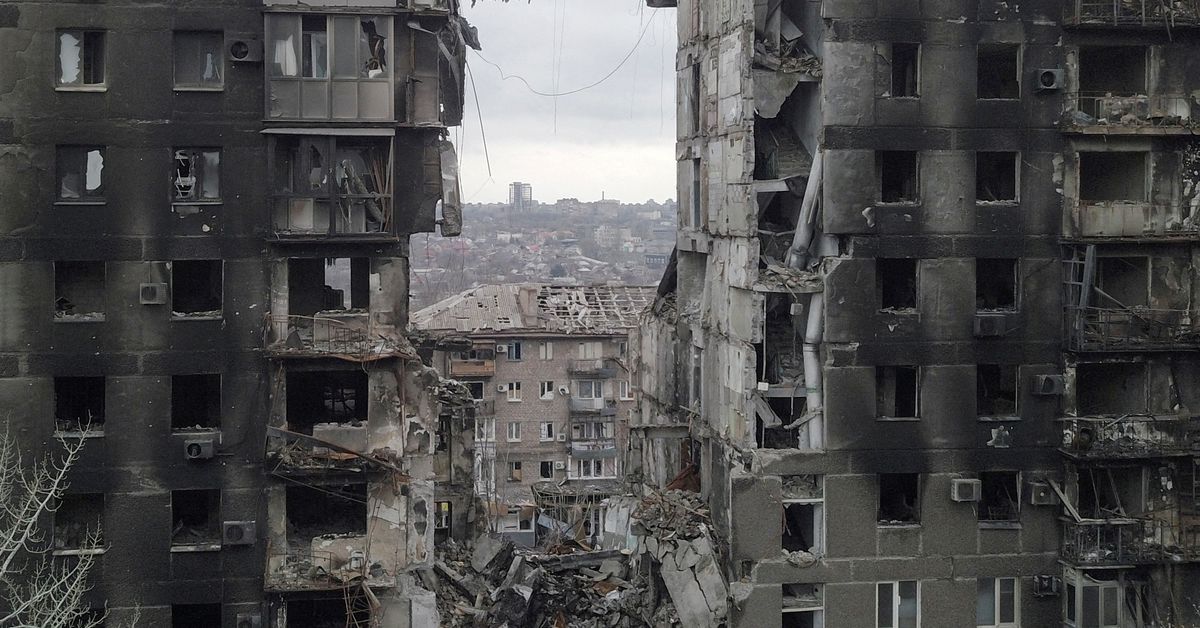
Russia has brought some 700,000 children from the conflict zones in Ukraine into Russian territory, Grigory Karasin, head of the international committee in the Federation Council, Russia's upper house of parliament, said late on Sunday (2 July)
"In recent years, 700,000 children have found refuge with us, fleeing the bombing and shelling from the conflict areas in Ukraine," Karasin wrote on his Telegram messaging channel.
Russia launched a full-scale invasion on its western neighbour Ukraine in February 2022. Moscow says its progranme of bring children from Ukraine into Russian territory is to protect orphans and children abandoned in the conflict zone.
However, Ukraine says many children have been illegally deported and the United States says thousands of children have been forcibly removed from their homes.
Most of the movement of people and children occurred in the first few months of the war and before Ukraine started its major counter offensive to regain occupied territories in the east and south in late August.
In July 2022, the United States estimated that Russia "forcibly deported" 260,000 children, while Ukraine's Ministry of Integration of Occupied Territories, says 19,492 Ukrainian children are currently considered illegally deported.
Share this article:
EU Reporter publishes articles from a variety of outside sources which express a wide range of viewpoints. The positions taken in these articles are not necessarily those of EU Reporter. Please see EU Reporter’s full Terms and Conditions of publication for more information EU Reporter embraces artificial intelligence as a tool to enhance journalistic quality, efficiency, and accessibility, while maintaining strict human editorial oversight, ethical standards, and transparency in all AI-assisted content. Please see EU Reporter’s full A.I. Policy for more information.






European Inventor Award 2026 winners announced: Honouring the innovators shaping tomorrow

President von der Leyen travels to Azerbaijan and Armenia

High Representative Kallas with Commissioners Kos and Brunner in Türkiye to advance bilateral cooperation

Region Trade Bank strengthens international governance as Iraq's banking sector deepens global engagement

Commission approves new geographical indication from Slovakia

Open letter to president of the European Commission on the Schengen Entry/Exit System (EES)

The Iran war changed Pakistan's strategic value, not its political trajectory

EU policy toward Azerbaijan: Why Brussels must move beyond political dialogue

Will the Gulf monarchies rise above internecine disputes in the interest of collective security?

MEPs supportive of draft Biotech report, but divisions over incentives remain

'Now is really the time!' for women's health, says Cooke

Macron and WHO chief back stronger safeguards for children online

Kyrgyzstan launches Tamchy SFIT: A new international jurisdiction as a gateway to Eurasia

Kazakhstan’s dombyra: The two-stringed instrument that carries the soul of the steppe

How Schuman lost Its way

Rating of American Express casino sites in the UK

Kazakhstan reforms under scrutiny at Brussels Press Club round table

Japan should face up to history and contribute more to regional peace

Ambassador calls for 'speeding up' of co-operation between EU and Kazakhstan

Timur Turlov at Smart Moves Summit 2025: How chess can transform global education

Shevtsova’s case: Out-of-court sanctions dismantling trust in Ukrainian cause

The future of European transport

Trump Vs Trueman

US 'no longer' an 'unconditional ally' for Europe - MEP
-
 Science4 days ago
European Inventor Award 2026 winners announced: Honouring the innovators shaping tomorrow
-
 Armenia5 days ago
President von der Leyen travels to Azerbaijan and Armenia
-
 European Commission5 days ago
High Representative Kallas with Commissioners Kos and Brunner in Türkiye to advance bilateral cooperation
-
 Iraq5 days ago
Region Trade Bank strengthens international governance as Iraq's banking sector deepens global engagement