Kyrgyzstan
Kyrgyzstan launches Tamchy SFIT: A new international jurisdiction as a gateway to Eurasia

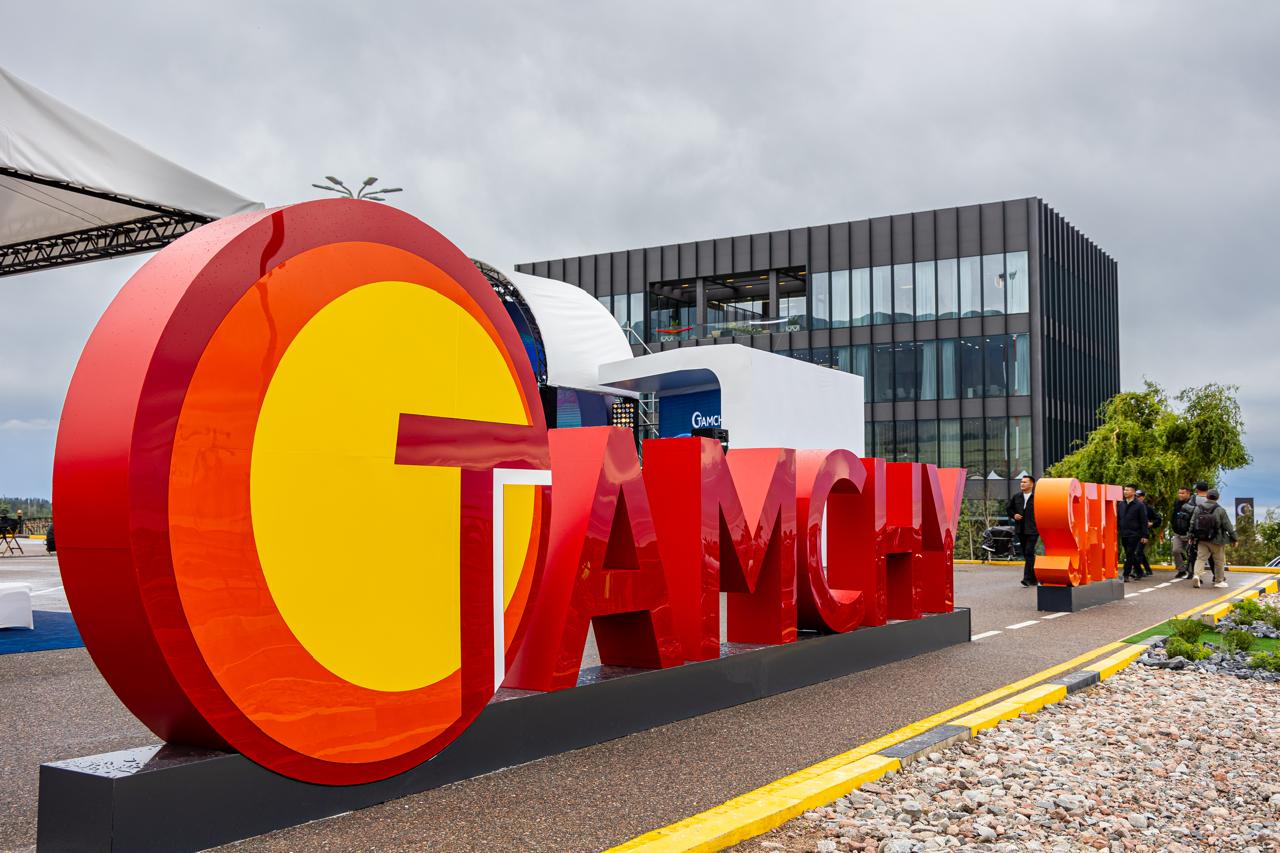
Central Asia has taken a bold step toward transforming itself from a transit corridor into a destination for global capital with the official launch of the Tamchy special financial investment territory (SFIT) in Kyrgyzstan, which was conceived as a versatile international center for business, capital, and innovation.
Practical interest in the new jurisdiction was evident from the outset, with the first residents coming from South Korea, the UAE, Hong Kong, Switzerland, and Kazakhstan.
What attracts international businesses to Tamchy is a unique combination of advantages within one jurisdiction: a legal system based on English common law, a strategic location at the crossroads of Eurasia's key trade routes, and the charm of one of the world's most scenic regions on the shores of Lake Issyk-Kul.
Legal framework and operating conditions
One of the key factors behind Tamchy's appeal is a predictable legal environment that makes sense to international businesses. The territory's legal framework is independent from Kyrgyzstan's national legislation and based on the principles of English common law — a system that is well-known to international investors and financial institutions. Dispute resolution and oversight of resident activities are handled by an independent court and a dedicated financial regulator.
Speaking at the opening ceremony of Tamchy SFIT, the President of Kyrgyzstan Sadyr Japarov laid out his vision to attract international business and investment: “Changes in the global economy are driving demand for new centers of business activity where international standards are supported by true freedom of innovation and long-term investment. Kyrgyzstan is ready to become one of these places. We are leveraging global best practices to build a financial center from scratch — with an independent court, a modern regulator, and rules that won’t change with shifting trends.”
The tax regime of Tamchy SFIT, which is enshrined in the legal framework, guarantees a zero tax on profits, dividends, and capital gains for a period of 49 years. Company registration and management can be carried out entirely online through a specialized digital platform.
Infrastructure and logistics
Tamchy, which covers an area of 6,000 hectares on the shores of Lake Issyk-Kul, is being developed as an integrated urban cluster with hotels, banks, restaurants, and services located next door to office buildings. Issyk-Kul International Airport is within walking distance, which ensures seamless accessibility and connectivity to head offices for international businesses.
This concentration of business and residential facilities creates a self-sufficient ecosystem for comfortable work and living on the picturesque shore of Issyk-Kul in the Tian Shan mountains.
The construction of the China–Kyrgyzstan–Uzbekistan railway hands Tamchy SFIT another strategic advantage. The financial center will be located on an emerging international transport corridor, enabling companies to structure deals, support cross-border trade, and manage capital in close proximity to key logistics routes.
Share this article:
EU Reporter publishes articles from a variety of outside sources which express a wide range of viewpoints. The positions taken in these articles are not necessarily those of EU Reporter. Please see EU Reporter’s full Terms and Conditions of publication for more information EU Reporter embraces artificial intelligence as a tool to enhance journalistic quality, efficiency, and accessibility, while maintaining strict human editorial oversight, ethical standards, and transparency in all AI-assisted content. Please see EU Reporter’s full A.I. Policy for more information.



Setting a new benchmark in premium travel

The security environment of the South Caucasus amid changing geopolitical realities

Survey on an EU Blueprint for intellectual property licensing and spinoff creation

Burnham as PM? 'Wait and see'

Kazakhstan: Central Election Committee reviews the results of the nomination of candidates for the deputies of Kurultai
The South Caucasus at a historic turning point: Between lasting peace and renewed confrontation

Rule of law report strengthens EU democracy and fundamental rights

Ban on destruction of unsold clothes and shoes enters into application

JoinCare Explores Scientific Exchange During Visit toJapan’s National Institute of Infectious Diseases

New episode – DGT podcast: Languages and Technology

Become a European Commission trainee – applications are now open

Commission outlines measures to strengthen Europe's banking sector and support growth

British political shifts and the future of UK-China ties
The South Caucasus at a historic turning point: Between lasting peace and renewed confrontation

As Ireland chairs the EU Presidency, what impact has over fifty years of EU membership had on Ireland

The Digital Markets Act Is Hurting Europeans. It’s Time to Put Progress, Free Markets, and Competition First

Kazakhstan reforms under scrutiny at Brussels Press Club round table

Japan should face up to history and contribute more to regional peace

Ambassador calls for 'speeding up' of co-operation between EU and Kazakhstan

Timur Turlov at Smart Moves Summit 2025: How chess can transform global education

Shevtsova’s case: Out-of-court sanctions dismantling trust in Ukrainian cause

The future of European transport

Trump Vs Trueman

US 'no longer' an 'unconditional ally' for Europe - MEP
-
 Aviation/airlines4 days ago
Setting a new benchmark in premium travel
-
 South Caucasus1 day ago
The security environment of the South Caucasus amid changing geopolitical realities
-
 Intellectual Property Rights4 days ago
Survey on an EU Blueprint for intellectual property licensing and spinoff creation
-
 Labour4 days ago
Burnham as PM? 'Wait and see'