coronavirus
Back to the beach: Spain welcomes all vaccinated tourists from June 7


4 minute read
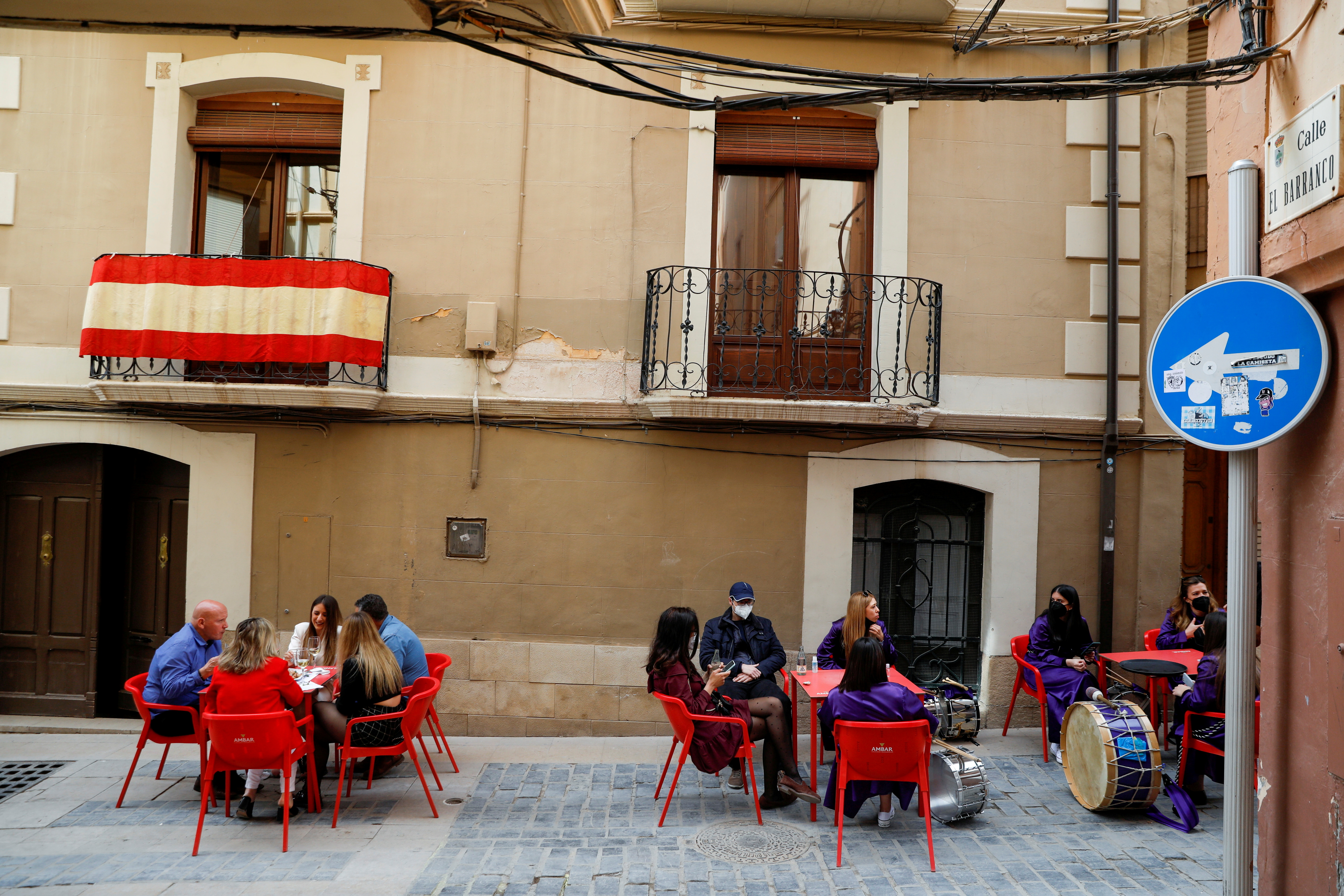
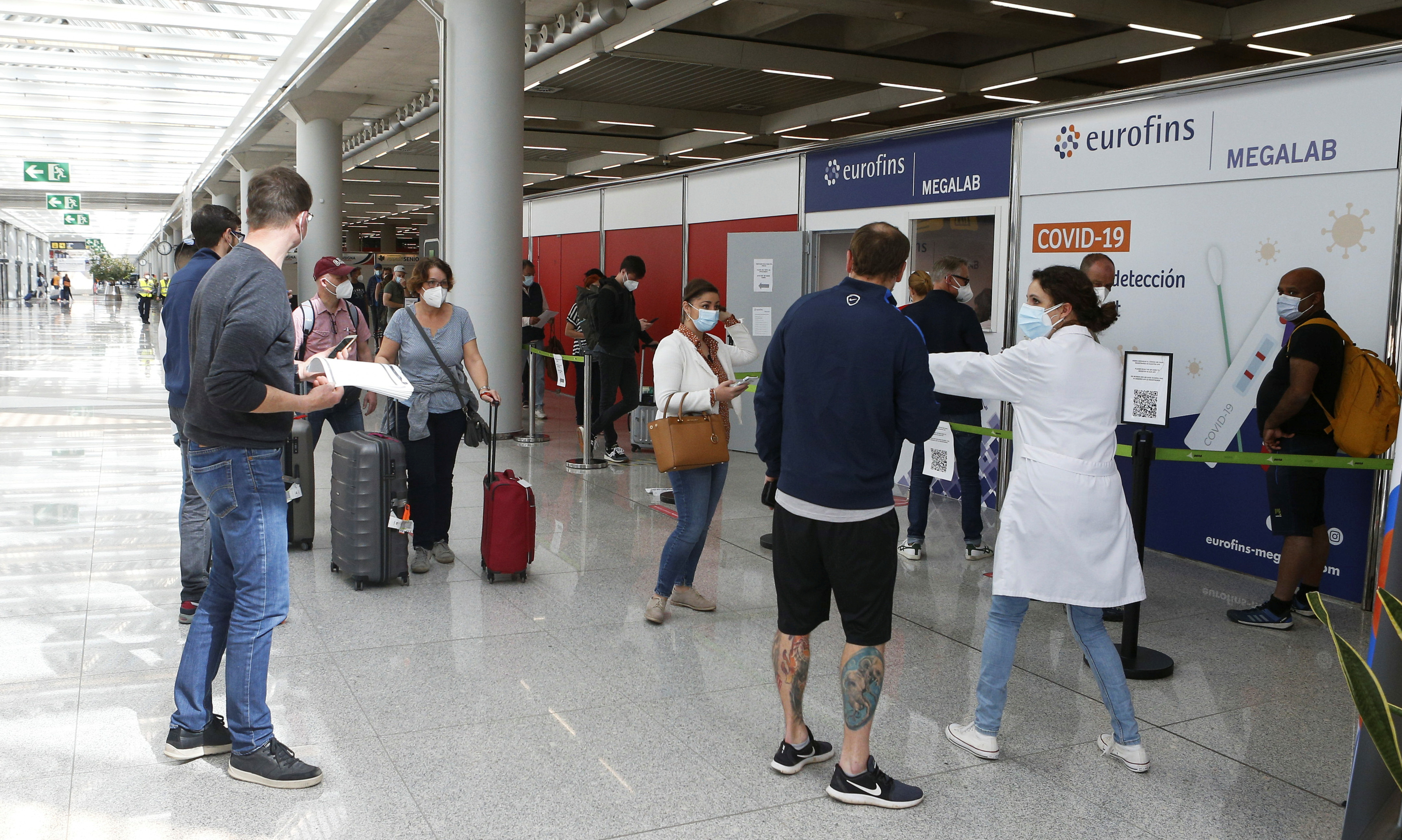
Tourist magnet Spain will let people from anywhere in the world who are vaccinated against COVID-19 enter the country from 7 June, hoping to galvanize a recovery in the devastated tourism sector, write Nathan Allen and Clara-laeila Laudette.
The world's second most visited country before the pandemic hit, foreign tourism to Spain plunged 80% last year as restrictions brought leisure travel to a virtual standstill, leaving its beaches, palaces and hotels almost deserted.
Entry will be allowed to vaccinated travellers regardless of their country of origin, and notably from the United States, Prime Minister Pedro Sanchez announced on Friday at Madrid's FITUR international tourism trade fair.
Spain will also permit tourists from 10 non-EU countries deemed low-risk to enter without a negative PCR test for coronavirus from May 24.
Britain, Spain's largest market for foreign tourists, will be included on the list, as well as Australia, New Zealand and Israel, among others.
"They're welcome - more than welcome - without restrictions nor health controls," Sanchez told reporters.
Spain was one of Europe's worst-hit nations in the pandemic, recording over 78,000 coronavirus deaths and 3.6 million cases. But infection rates have fallen and vaccinations are progressing fast, enabling most of its regions to scrap curfews.
Speaking a day after the EU reached a long-awaited deal for digital vaccine certificates, Sanchez said the return of tourism would be the key driver of Spain's economic recovery. The sector previously accounted for 12% of output. Read more
Health Minister Carolina Darias said Spain was working with the EU to extend the bloc's vaccine certificate programme, due to launch on July 1, to third countries.
Spanish hotel reservations are already rising since a state of emergency expired earlier this month and Sanchez said the new travel regime would allow arrivals to reach up to 70% of pre-pandemic levels by the year's end.
This summer he forecast arrivals could reach 30%-40% of 2019's levels. Read more
While the Spanish arm of global airline association ALA welcomed the news, president Javier Gandara said obstacles remained, noting Britain had yet to include Spain, or at least its lowest-incidence regions, in its "green" list, meaning Britons still have to quarantine upon returning.
Gandara called for Spain to renew travel from Latin America, where many of the vaccines being administered have not been approved by the World Health Organization nor by Europe's Medicines Agency.
"We ask that Latin Americans be allowed to travel to Spain on condition they present a negative PCR test result," he said.
The decision to reopen routes between Spain and Latin America should come within weeks, Iberia airline CEO Javier Sanchez-Prieto said.
Spain's hotel federation CEHAT also reproached domestic and European officials for the delay in rolling out the digital COVID passport.
"If the certificate had been launched earlier, perhaps the months of May and June - vital for Spanish tourist activity - would not be lost," CEHAT stated.
Share this article:
EU Reporter publishes articles from a variety of outside sources which express a wide range of viewpoints. The positions taken in these articles are not necessarily those of EU Reporter. Please see EU Reporter’s full Terms and Conditions of publication for more information EU Reporter embraces artificial intelligence as a tool to enhance journalistic quality, efficiency, and accessibility, while maintaining strict human editorial oversight, ethical standards, and transparency in all AI-assisted content. Please see EU Reporter’s full A.I. Policy for more information.








EU foreign ministers to discuss options for restricting trade with Israeli communities in Judea and Samaria

European operation dismantles €10 million illicit cigarette network in Spain

Srebrenica's lesson is prevention. Why isn't the world applying It to Kashmir?

Energy Union Task Force takes stock of oil and gas security of supply in the EU

AIFC to host Astana Finance Days 2026 in September

ALROSA Re-elects Supervisory Board with Minimal Changes

Joint statement by High Representative/Vice-President Kallas and Commissioner Kos on the 31st anniversary of the Srebrenica genocide

EU clarifies rules to allow continued waste recovery shipments to Switzerland

Commission approves French state aid to support offshore wind energy

Natura 2000 Network offers opportunities for sustainable tourism across Europe

Commission adds exemptions to rules on removability of portable batteries

EU steps up international support for Palestinians with major initiative for Gaza's early recovery and stronger international coordination

Kurmuk gold project highlights Africa’s changing investment landscape

Falling in love with the Maldives

Britain’s leadership crisis is a symptom, not the disease

Chinese “leadership and coordination”

Kazakhstan reforms under scrutiny at Brussels Press Club round table

Japan should face up to history and contribute more to regional peace

Ambassador calls for 'speeding up' of co-operation between EU and Kazakhstan

Timur Turlov at Smart Moves Summit 2025: How chess can transform global education

Shevtsova’s case: Out-of-court sanctions dismantling trust in Ukrainian cause

The future of European transport

Trump Vs Trueman

US 'no longer' an 'unconditional ally' for Europe - MEP
-
 Israel4 days ago
EU foreign ministers to discuss options for restricting trade with Israeli communities in Judea and Samaria
-
 Cigarettes3 days ago
European operation dismantles €10 million illicit cigarette network in Spain
-
 Kashmir3 days ago
Srebrenica's lesson is prevention. Why isn't the world applying It to Kashmir?
-
 Energy market2 days ago
Energy Union Task Force takes stock of oil and gas security of supply in the EU