coronavirus
Coronavirus: Commission approves contract with CureVac to ensure access to a potential vaccine

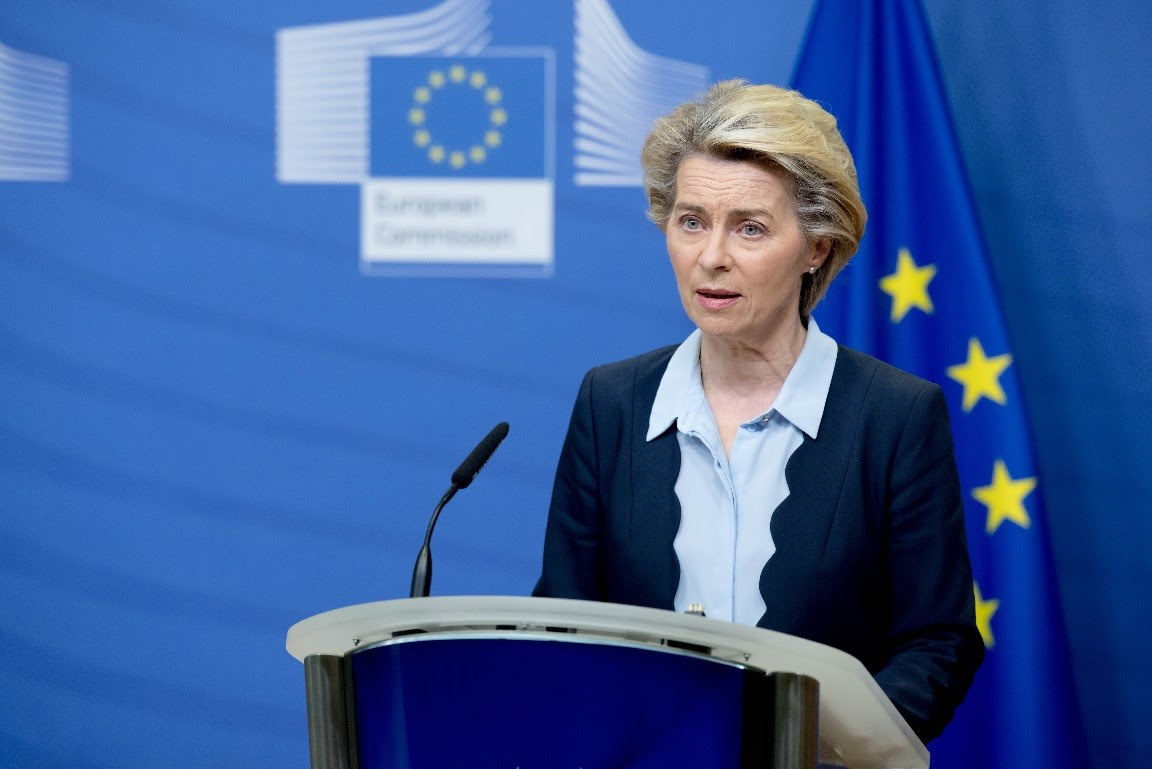
On 17 November, the European Commission approved a fifth contract with the European pharmaceutical company CureVac, which provides for the initial purchase of 225 million doses on behalf of all EU member states, plus an option to request up to a further 180 million doses, to be supplied once a vaccine has proven to be safe and effective against COVID-19.
The contract with CureVac enlarges the already broad portfolio of vaccines to be produced in Europe, including the contracts signed with AstraZeneca, Sanofi-GSK, Janssen Pharmaceutica NV and BioNtech-Pfizer, and the successful exploratory talks with Moderna. This diversified vaccines portfolio will ensure Europe is well prepared for vaccination, once the vaccines have been proven to be safe and effective. Member States can also decide to donate the vaccine to lower and middle-income countries or to re-direct it to other European countries.
CureVac, a European company based in Germany, signed a €75 million loan agreement with the European Investment Bank on 6 July for the development and large-scale production of vaccines, including CureVac's vaccine candidate against COVID-19. CureVac is pioneering the development of a completely new class of vaccines based on messenger RNA (mRNA), transported into cells by lipid nanoparticles. The vaccine platform has been developed over the last decade. The basic principle is the use of this molecule as a data carrier for information, with the help of which the body itself can produce its own active substances to combat various diseases.
The Commission has taken a decision to support this vaccine based on a sound scientific assessment, the technology used, the company's experience in vaccine development and its production capacity to supply the whole of the EU.
More information
Watch President von der Leyen’s press statement here.
Read the press release here
Overview of the Commission’s Response
Share this article:
EU Reporter publishes articles from a variety of outside sources which express a wide range of viewpoints. The positions taken in these articles are not necessarily those of EU Reporter. Please see EU Reporter’s full Terms and Conditions of publication for more information EU Reporter embraces artificial intelligence as a tool to enhance journalistic quality, efficiency, and accessibility, while maintaining strict human editorial oversight, ethical standards, and transparency in all AI-assisted content. Please see EU Reporter’s full A.I. Policy for more information.




Stepping out...to get the UK back in European Union

Energy use in the industry sector continues to decline

Improving energy efficiency of buildings to reduce bills and save energy

DG Translation in a city near you: June events

The role of quality assurance in advancing inclusive upper secondary VET in Slovenia

Europe must not turn its back on rural women’s empowerment

Commission accelerates transition away from animal testing in chemical safety assessments

Counterfeit cigarettes drive illicit tobacco trade to highest level in a decade, new study claims

Inconvenient questions about Andorra and San Marino that Brussels should be asking

How digital wallets are changing the way Welsh consumers pay for online services

Impasse in European Union Tobacco Tax Reform: The Swedish veto

EU Cybersecurity Act could expose member states to costly investment treaty claims, legal opinion warns

Várhelyi says unilateral measures by the US against the EU ‘would not be justified’

Libya’s fuel crisis offers lessons for energy security on both sides of the Mediterranean

490+ experts call for €10 billion ring-fenced health allocation in EU budget

ENVI opinion signals early resistance to Biotech Act SPC extension

Kazakhstan reforms under scrutiny at Brussels Press Club round table

Japan should face up to history and contribute more to regional peace

Ambassador calls for 'speeding up' of co-operation between EU and Kazakhstan

Timur Turlov at Smart Moves Summit 2025: How chess can transform global education

Shevtsova’s case: Out-of-court sanctions dismantling trust in Ukrainian cause

The future of European transport

Trump Vs Trueman