Israel
EU condemns Hamas refusal to accept extension of first phase of ceasefire

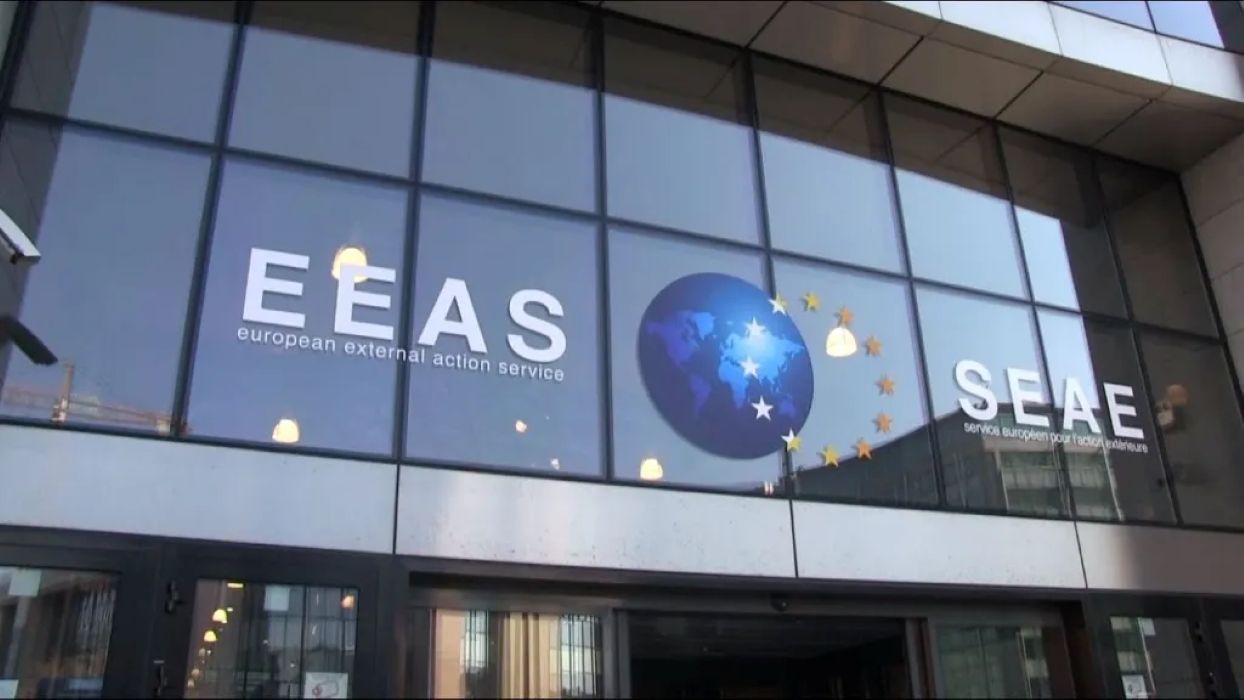
"Israel’s subsequent decision to block the entry of all humanitarian aid into Gaza could potentially result in humanitarian consequences,’’ said a spokesperson of the EU’s external service on Sunday (2 March). The EU condemned the refusal of Hamas to accept the extension of the first phase of the ceasefire agreement in Gaza, writes Yossi Lempkowicz.
"Israel’s subsequent decision to block the entry of all humanitarian aid into Gaza could potentially result in humanitarian consequences,’’ a spokesperson of the EU’s external service said in a statement on Sunday.
The Israeli government announced on Sunday that it has suspended all humanitarian aid to Gaza after the Hamas terrorist organization rejected the ceasefire extension proposed by US Middle East envoy Steve Witkoff.
Israeli Prime Minister Benjamin Netanyahu announced that no goods or supplies would enter Gaza until further notice, reaffirming that Jerusalem will not agree to a ceasefire without the release of its hostages.
The EU called for a rapid resumption of negotiations on the second phase of the ceasefire and expressed its strong support to the mediators.
"A permanent ceasefire would contribute to the release of all remaining Israeli hostages while ensuring the necessary conditions for recovery and reconstruction in Gaza to begin. All parties have a political responsibility to make this a reality," the statement said.
The EU reiterated its calls for: "Full, rapid, safe and unhindered access to humanitarian aid at scale for Palestinians in need and for allowing and facilitating humanitarian workers and international organizations to operate effectively and safely inside Gaza."
It said that the EU civilian Border Assistance Mission for the Rafah Crossing Point (EUBAM Rafah) "is ready to continue its work if requested by the parties". "Thanks to its presence, nearly 3,000 people have so far crossed the border into Egypt since 1 February,"the EU said.
Share this article:

EU Reporter publishes articles from a variety of outside sources which express a wide range of viewpoints. The positions taken in these articles are not necessarily those of EU Reporter. Please see EU Reporter’s full Terms and Conditions of publication for more information EU Reporter embraces artificial intelligence as a tool to enhance journalistic quality, efficiency, and accessibility, while maintaining strict human editorial oversight, ethical standards, and transparency in all AI-assisted content. Please see EU Reporter’s full A.I. Policy for more information.



Counterfeit cigarettes drive illicit tobacco trade to highest level in a decade, new study claims

Libya’s fuel crisis offers lessons for energy security on both sides of the Mediterranean

EU Cybersecurity Act could expose member states to costly investment treaty claims, legal opinion warns

Spring semester package: Steering EU economies to increased competitiveness

In space, we can’t defend what we can’t see

Kazakhstan seeks deeper EU partnership in science, education and innovation

Outrage of Iranian exiles and opposition of MEPs to inviting Reza Pahlavi to the European Parliament

OceanEye: Placing the EU at the forefront of ocean observation

EU Drugs Agency warns of new health risks, including a rising trend in ketamine use

Commission imposes interim measures on Meta to preserve free access to WhatsApp for rival AI assistants

Debt, AI and Algorithms: How the bond market is being reshaped

EDF’s first-ever FSTP sub-call attracts strong interest from newcomers to EU defence funding

EU implements Palestine facility with $395 million for local banks and €2.1 million in technical assistance

EU exports of shark fins dropped in 2025

Commission approves €23 billion Italian state aid scheme to support renewable electricity production

Justice and Home Affairs Council

Kazakhstan reforms under scrutiny at Brussels Press Club round table

Japan should face up to history and contribute more to regional peace

Ambassador calls for 'speeding up' of co-operation between EU and Kazakhstan

Timur Turlov at Smart Moves Summit 2025: How chess can transform global education

Shevtsova’s case: Out-of-court sanctions dismantling trust in Ukrainian cause

The future of European transport

Trump Vs Trueman

US 'no longer' an 'unconditional ally' for Europe - MEP
-
 Health5 days ago
Counterfeit cigarettes drive illicit tobacco trade to highest level in a decade, new study claims
-
 Libya5 days ago
Libya’s fuel crisis offers lessons for energy security on both sides of the Mediterranean
-
 Law4 days ago
EU Cybersecurity Act could expose member states to costly investment treaty claims, legal opinion warns
-
 European Commission5 days ago
Spring semester package: Steering EU economies to increased competitiveness