Energy
State aid: Commission authorizes UK aid for Teesside biomass CHP plant


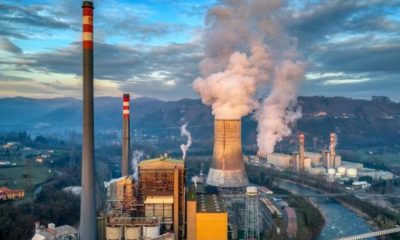
The European Commission has found that UK plans to support the building of the Teesside combined-heat-and-power (CHP) plant are in line with EU state aid rules. The plant will use biomass to provide electricity to the national grid and heat to local customers. The Commission concluded in particular that the project would further EU energy and environmental objectives without unduly distorting competition in the single market.
In November 2014 the UK notified plans to support the operation of a CHP plant, to be built in the Tees Valley in north-east England. The plant will be able to generate 299 MW of electricity running exclusively on biomass. It is expected to start operations in July 2018.
According to UK estimates, the project will save approximately 32 million tonnes of CO2 over its 30-year lifetime and supply about 2.1 TWh of electricity. The plant will have a steady output of energy throughout the day (a so-called "base load" plant) with low-carbon impact. This is especially important given that the UK has an increasingly intermittent non-fossil energy mix from sources such as wind energy.
The aid would be granted to the operator of the plant in the form of a variable premium above the market price for electricity to compensate for the higher costs of biomass energy.
The Commission assessed the project under its new Guidelines on State aid for environmental protection and energy that entered into force in July 2014. The Commission found that the project contributes to reaching the EU 2020 targets for renewable energy, while safeguards are in place to limit the potential distortions of competition brought about by the state aid. In particular, the amount of aid is proportionate to the objective pursued.
Share this article:
EU Reporter publishes articles from a variety of outside sources which express a wide range of viewpoints. The positions taken in these articles are not necessarily those of EU Reporter. Please see EU Reporter’s full Terms and Conditions of publication for more information EU Reporter embraces artificial intelligence as a tool to enhance journalistic quality, efficiency, and accessibility, while maintaining strict human editorial oversight, ethical standards, and transparency in all AI-assisted content. Please see EU Reporter’s full A.I. Policy for more information.




Stepping out...to get the UK back in European Union

Europe must not turn its back on rural women’s empowerment

Commission accelerates transition away from animal testing in chemical safety assessments

Counterfeit cigarettes drive illicit tobacco trade to highest level in a decade, new study claims

High-speed drama shatters Monaco’s tranquil façade

Republic of Moldova joins European Patent Organization as 40th member state

Commission proposes new authorization for mobile satellite services for EU's resilience and competitiveness

Commission disburses €7.2 billion to Poland under NextGenerationEU

Inconvenient questions about Andorra and San Marino that Brussels should be asking

How digital wallets are changing the way Welsh consumers pay for online services

Impasse in European Union Tobacco Tax Reform: The Swedish veto

EU Cybersecurity Act could expose member states to costly investment treaty claims, legal opinion warns

Várhelyi says unilateral measures by the US against the EU ‘would not be justified’

Libya’s fuel crisis offers lessons for energy security on both sides of the Mediterranean

490+ experts call for €10 billion ring-fenced health allocation in EU budget

ENVI opinion signals early resistance to Biotech Act SPC extension

Kazakhstan reforms under scrutiny at Brussels Press Club round table

Japan should face up to history and contribute more to regional peace

Ambassador calls for 'speeding up' of co-operation between EU and Kazakhstan

Timur Turlov at Smart Moves Summit 2025: How chess can transform global education

Shevtsova’s case: Out-of-court sanctions dismantling trust in Ukrainian cause

The future of European transport

Trump Vs Trueman

US 'no longer' an 'unconditional ally' for Europe - MEP
-
 Brexit5 days ago
Stepping out...to get the UK back in European Union
-
 Gender equality5 days ago
Europe must not turn its back on rural women’s empowerment
-
 Animal welfare5 days ago
Commission accelerates transition away from animal testing in chemical safety assessments
-
 Health3 days ago
Counterfeit cigarettes drive illicit tobacco trade to highest level in a decade, new study claims