EU
European Parliament stops #Dieselgate from happening again


"The public rightly expects us to fix the Dieselgate loopholes," said Ivan Štefanec MEP, EPP spokesman on type approval.
“I am very pleased that after a year of joint efforts and thorough negotiations with member states we have reached an agreement that will introduce the necessary changes to the introduction of new vehicles on the market. European consumers will have a new functional system with the effective enforcement rules,” added the EPP spokesman.
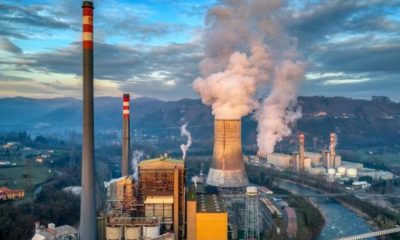
When it became clear in September 2015 that certain car producers had cheated on emission tests on their diesel cars, allowing nitrogen oxide (NOx) emissions to go well above the legal limits, EU lawmakers had to take steps to protect EU consumers from a direct threat to their health and the environment.
“The EPP Group fought to make sure that the new system's entry-into-force would be smooth and fast,” said Štefanec. The EPP group stood up to the initial push by the S&D and Greens/EFA Groups to create yet another supervisory agency that would only have caused more red tape and delayed the new system's entry-into-force.
The new law obliges the member states and the European Commission to perform market surveillance checks on cars and the Commission to carry out an assessment of the procedures put in place by the national type approval authorities every five years. The new rules also set the limit for validity. Once type-approved, the certificate is valid for seven years concerning small vehicles and ten years for trucks.
The new rules, which will make sure that the car you buy is safe and clean, will come into force two years from now, in September 2020. “There is no time to waste, our environment and people’s health is more important,” concluded Štefanec, who led the negotiations on behalf of EPP.
Share this article:
EU Reporter publishes articles from a variety of outside sources which express a wide range of viewpoints. The positions taken in these articles are not necessarily those of EU Reporter. Please see EU Reporter’s full Terms and Conditions of publication for more information EU Reporter embraces artificial intelligence as a tool to enhance journalistic quality, efficiency, and accessibility, while maintaining strict human editorial oversight, ethical standards, and transparency in all AI-assisted content. Please see EU Reporter’s full A.I. Policy for more information.



Stepping out...to get the UK back in European Union

Improving energy efficiency of buildings to reduce bills and save energy

Energy use in the industry sector continues to decline

DG Translation in a city near you: June events

The role of quality assurance in advancing inclusive upper secondary VET in Slovenia

Europe must not turn its back on rural women’s empowerment

Commission accelerates transition away from animal testing in chemical safety assessments

Counterfeit cigarettes drive illicit tobacco trade to highest level in a decade, new study claims

Inconvenient questions about Andorra and San Marino that Brussels should be asking

How digital wallets are changing the way Welsh consumers pay for online services

Impasse in European Union Tobacco Tax Reform: The Swedish veto

EU Cybersecurity Act could expose member states to costly investment treaty claims, legal opinion warns

Várhelyi says unilateral measures by the US against the EU ‘would not be justified’

Libya’s fuel crisis offers lessons for energy security on both sides of the Mediterranean

490+ experts call for €10 billion ring-fenced health allocation in EU budget

ENVI opinion signals early resistance to Biotech Act SPC extension

Kazakhstan reforms under scrutiny at Brussels Press Club round table

Japan should face up to history and contribute more to regional peace

Ambassador calls for 'speeding up' of co-operation between EU and Kazakhstan

Timur Turlov at Smart Moves Summit 2025: How chess can transform global education

Shevtsova’s case: Out-of-court sanctions dismantling trust in Ukrainian cause

The future of European transport

Trump Vs Trueman