Algae
Algae: New Commission study explores their bright future

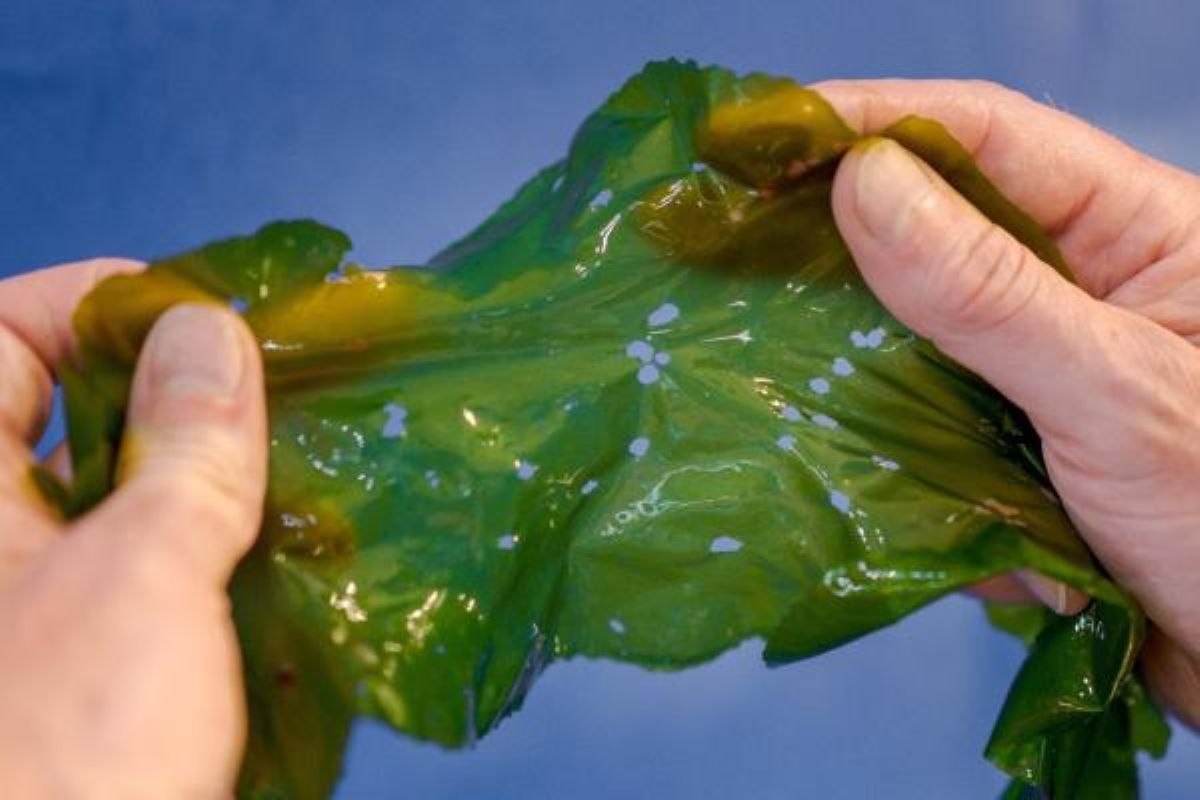
Building a sustainable society means changing how we produce and consume, especially when faced with challenges like food security, water pollution, and climate change. Both macro- and microalgae can help to tackle these issues. The European Commission’s new Study to support a Sustainable EU Algae Industry shows how.
The study explores algae’s potential to:
- Replace fish-based feed with algae-based feed in aquaculture
- Produce biofertilisers and biostimulants
- Clean wastewater
- Help mitigate climate change
- Support sustainable food and feed systems.
Inside the study: a sneak peek
According to the study, all algae species can be used to make biofertilisers and plant biostimulants because they contain natural compounds that boost crop growth. Using algae-based fertilisers can reduce the loss of nutrients from the soil caused by water movements and the risk of eutrophication (the overgrowth of algae due to the over-enrichment of water bodies with minerals and nutrients), while as bio-stimulants, they improve plant health.
Algae also play a major role in climate change mitigation. Seaweed forests in EU waters cover about 902,000 km² and could capture up to 23.5 million tonnes of carbon each year – equivalent to 86 million tonnes of CO₂. But these natural ecosystems are shrinking due to climate change, eutrophication, habitat loss, and invasive species. Expanding seaweed farming can help. For example, 10,000 km² of seaweed farms (an area slightly larger than Cyprus) could store up to 1.1 million tonnes of carbon per year (about 4 million tonnes CO₂). The estimated economic value of absorbing and storing this amount of carbon (sequestration) could reach €17.4 billion in avoided societal damages per year. A win-win solution for the climate and a sustainable blue economy.
Finally, incorporating algae in aquaculture feed offers a promising alternative to wild-caught fish ingredients. Algae-based feeds are a sustainable alternative to fishoil. They perform as well as traditional feeds, reduce pressure on wild fish, and help keeping marine ecosystems healthier. They also improve fish quality, make seafood safer by lowering contaminants, and ensure more stable and reliable feed supplies.
Challenges are still at sight
The algae sector still has challenges to overcome: production is expensive, there isn’t enough data for some applications, production volumes remain low, and more research is needed. More algae farming is also needed. Today, about 130,000 tonnes of algae are harvested from the wild each year, and 132,700 tonnes are collected from beaches in 12 EU countries. But much more is available—up to 1.17 million tonnes of beach-cast algae every year.
The study offers detailed recommendations on how to expand algae production and use.
This is a path already set by the European Ocean Pact and reinforced by the study’s actionable knowledge. By showing how algae contribute to climate action, circular resource use, and biodiversity, it underlines their role in creating a sustainable and innovative blue economy.
Study to support an EU sustainable algae industry
Share this article:
EU Reporter publishes articles from a variety of outside sources which express a wide range of viewpoints. The positions taken in these articles are not necessarily those of EU Reporter. Please see EU Reporter’s full Terms and Conditions of publication for more information EU Reporter embraces artificial intelligence as a tool to enhance journalistic quality, efficiency, and accessibility, while maintaining strict human editorial oversight, ethical standards, and transparency in all AI-assisted content. Please see EU Reporter’s full A.I. Policy for more information.



ECR MEPs question the European Commission on cardiovascular health and diet promoting the Mediterranean diet as an alternative to ultra-processed foods as key to tackling obesity

Albania's Vlora airport standoff tests investor confidence as EU accession clock ticks

Iran’s regime in crisis: Negotiations, internal divisions and growing resistance

Shusha Global Media Forum: Azerbaijan’s Answer to Disinformation

Why a Brussels–Nicosia–Eastern Mediterranean strategic affairs platform would benefit the European Union

Commission approves €659 million German state aid for four new semiconductor facilities

Kazakhstan seeks regional AI leadership as economic partnership with China enters new phase

EU law on nitrates pollution remains effective, with scope for smarter implementation

European Statistical Monitor: July edition

Commission publishes state aid guidance on carbon contracts for difference

Commission greenlights Estonia's fourth payment request for €135.5 million under NextGenerationEU

Drones, dominance, and the Iranian impasse: The West's strategic blind spot

Kazakhstan's fixed capital investment tops 9.5 trillion tenge in H1 2026

Commission registers two European Citizens' Initiatives on education and housing

Kazakhstan and Belgium: Building a Partnership for the Future

New court ruling questions 'proportionality' of Mayor Erion Veliaj’s detention

Kazakhstan reforms under scrutiny at Brussels Press Club round table

Japan should face up to history and contribute more to regional peace

Ambassador calls for 'speeding up' of co-operation between EU and Kazakhstan

Timur Turlov at Smart Moves Summit 2025: How chess can transform global education

Shevtsova’s case: Out-of-court sanctions dismantling trust in Ukrainian cause

The future of European transport

Trump Vs Trueman

US 'no longer' an 'unconditional ally' for Europe - MEP
-
 Italy4 days ago
ECR MEPs question the European Commission on cardiovascular health and diet promoting the Mediterranean diet as an alternative to ultra-processed foods as key to tackling obesity
-
 Albania4 days ago
Albania's Vlora airport standoff tests investor confidence as EU accession clock ticks
-
 Iran4 days ago
Iran’s regime in crisis: Negotiations, internal divisions and growing resistance
-
 Azerbaijan5 days ago
Shusha Global Media Forum: Azerbaijan’s Answer to Disinformation