Climate change
UNEP report highlights gap between global emissions and 2°C warming limit


The United Nations Environment Programme (UNEP) has warned today (5 November) that the world's annual greenhouse gas emissions are still much too high to meet the agreed international goal of holding global warming below 2°C.
Climate Action Commissioner Connie Hedegaard said: ''This is yet another call for climate action which shows the world is not getting its act together fast enough. The bad news of the report released today is that current carbon cuts are too slow to prevent dangerous climate change. But the good news is that we have options to close the gap although time is running out. And some of them are just a no-brainer: energy efficiency, renewable energy and fossil fuel subsidy reform. The report also shows that developing countries already account for about 60% of global emissions, which underlines that the world simply cannot fight climate change effectively without all economies committing their fair share.''
In its annual Emissions Gap Report, released today, UNEP says that countries' existing emission pledges, if fully implemented, will help reduce emissions to below the business-as-usual level in 2020, but not to a level consistent with the 2°C limit, thus leaving a considerable and growing 'emissions gap'.
To help bridge the gap, the European Union will be pressing at next week's Warsaw climate conference for progress towards concrete measures to raise the ambition of near-term global climate action in order to cut world emissions further before 2020.
The full report can be downloaded here.
Share this article:
EU Reporter publishes articles from a variety of outside sources which express a wide range of viewpoints. The positions taken in these articles are not necessarily those of EU Reporter. Please see EU Reporter’s full Terms and Conditions of publication for more information EU Reporter embraces artificial intelligence as a tool to enhance journalistic quality, efficiency, and accessibility, while maintaining strict human editorial oversight, ethical standards, and transparency in all AI-assisted content. Please see EU Reporter’s full A.I. Policy for more information.



The South Caucasus at a historic turning point: Between lasting peace and renewed confrontation
The security environment of the South Caucasus amid changing geopolitical realities

Commission registers two European Citizens' Initiatives on education and housing

Commission sends Statements of Objections to several companies and trade associations in suspected construction chemicals cartel

Why the US is losing its legitimacy as a global superpower and the trust of the comity of nations

Commission publishes state aid guidance on carbon contracts for difference

Astana Hub unveils infrastructure to support AI innovation in health care

Commission fines AliExpress €550 million for breaching the Digital Services Act

JoinCare explores scientific exchange during visit to Japan’s National Institute of Infectious Diseases

New episode – DGT podcast: Languages and Technology

Become a European Commission trainee – applications are now open

Commission outlines measures to strengthen Europe's banking sector and support growth

British political shifts and the future of UK-China ties
The South Caucasus at a historic turning point: Between lasting peace and renewed confrontation

As Ireland chairs the EU Presidency, what impact has over fifty years of EU membership had on Ireland

The Digital Markets Act Is Hurting Europeans. It’s Time to Put Progress, Free Markets, and Competition First

Kazakhstan reforms under scrutiny at Brussels Press Club round table

Japan should face up to history and contribute more to regional peace

Ambassador calls for 'speeding up' of co-operation between EU and Kazakhstan

Timur Turlov at Smart Moves Summit 2025: How chess can transform global education

Shevtsova’s case: Out-of-court sanctions dismantling trust in Ukrainian cause

The future of European transport

Trump Vs Trueman

US 'no longer' an 'unconditional ally' for Europe - MEP
-
 South Caucasus2 days ago
The South Caucasus at a historic turning point: Between lasting peace and renewed confrontation
-
South Caucasus3 days ago
The security environment of the South Caucasus amid changing geopolitical realities
-
 European Citizens' Initiative5 days ago
Commission registers two European Citizens' Initiatives on education and housing
-
 European Commission3 days ago
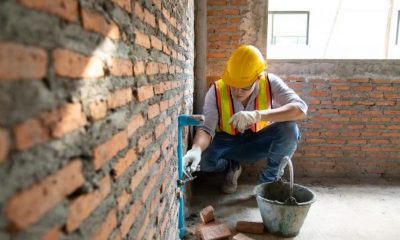
Commission sends Statements of Objections to several companies and trade associations in suspected construction chemicals cartel