EU
Campaigners urge PM Johnson to 'turbocharge' #Climate plans ahead of UN summit

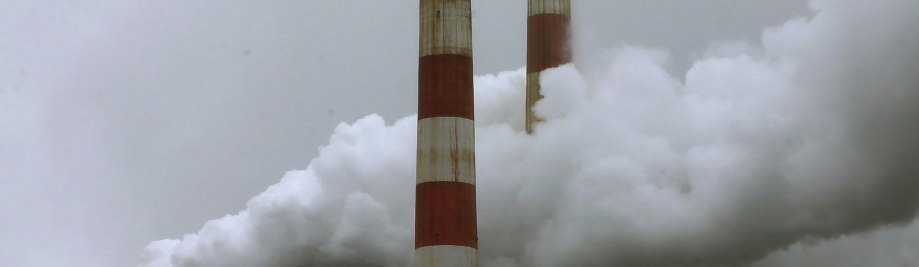 Prime Minister Boris Johnson should “turbocharge” policies to cut Britain’s carbon emissions so the country can lead by example when it hosts a major UN climate summit in Glasgow in November, campaign groups said on Monday (2 March), writes Matthew Green.
Although Britain was the first G7 nation to adopt a legally-binding target to cut CO2 emissions to net zero by 2050, campaigners say the commitment will carry little weight unless the government starts showing it is serious.
“The UK must also get its own house in order,” said a letter to Johnson backed by 60 groups working on the environment and international development, including Oxfam, Greenpeace, ShareAction and the World Wildlife Fund.
“The coming months must see a green turbocharging of our decarbonisation policies and investment to maximize our emissions reductions, so that we reach net-zero as soon as possible,” said the letter, signed by representatives of the Climate Coalition and Bond, two umbrella groups.
The campaigners set out their priorities in a "Glasgow Action Plan here" that included Britain unveiling more ambitious and detailed decarbonization plans ahead of the summit, stopping financing fossil fuel projects abroad, and leading international efforts to boost aid for countries hit by climate disasters.
Britain should also ramp up support for what are known as “nature-based solutions” - harnessing processes at work in soil, forests, grasslands, peatlands, mangroves or other ecosystems to absorb and store large amounts of carbon, the letter said.
Preparations for the 9-20 November summit were marred by acrimony in January when Johnson sacked former energy minister Claire O’Neill as summit president, prompting her to write a scathing letter saying his government’s promises of action “are not close to being met.”
With the Earth currently on track for temperature increases that could render many currently densely populated regions uninhabitable, the summit is seen as critical to shoring up the 2015 Paris Agreement on climate change.
The British hosts are supposed to take the lead in cajoling big polluting countries into announcing more ambitious targets to cut emissions in the run-up to the gathering.
For its part, Britain can point to progress in reducing emissions from its power sector by switching to renewables, but it has made less headway in cleaning up heating, transport, agriculture and industry.
Business Minister Alok Sharma, who took over as summit president, last week called on countries to ramp up momentum toward a zero carbon economy in Glasgow by committing “to significant further cuts” in CO2 emissions by 2030.
Share this article:

EU Reporter publishes articles from a variety of outside sources which express a wide range of viewpoints. The positions taken in these articles are not necessarily those of EU Reporter. Please see EU Reporter’s full Terms and Conditions of publication for more information EU Reporter embraces artificial intelligence as a tool to enhance journalistic quality, efficiency, and accessibility, while maintaining strict human editorial oversight, ethical standards, and transparency in all AI-assisted content. Please see EU Reporter’s full A.I. Policy for more information.





The South Caucasus at a historic turning point: Between lasting peace and renewed confrontation
The security environment of the South Caucasus amid changing geopolitical realities

Commission endorses Latvia’s €617 million Social Climate Plan to support vulnerable households and transport users in the clean transition

Commission sends Statements of Objections to several companies and trade associations in suspected construction chemicals cartel

As Ireland chairs the EU Presidency, what impact has over fifty years of EU membership had on Ireland

Astana Hub unveils infrastructure to support AI innovation in health care

Commission fines AliExpress €550 million for breaching the Digital Services Act

EU and Portugal team up to keep brightest tech talents at home

Tokayev urges Putin to 'freeze' Ukraine war in rare public appeal for peace

JoinCare explores scientific exchange during visit to Japan’s National Institute of Infectious Diseases

New episode – DGT podcast: Languages and Technology

Become a European Commission trainee – applications are now open

Commission outlines measures to strengthen Europe's banking sector and support growth

British political shifts and the future of UK-China ties
The South Caucasus at a historic turning point: Between lasting peace and renewed confrontation
As Ireland chairs the EU Presidency, what impact has over fifty years of EU membership had on Ireland

Kazakhstan reforms under scrutiny at Brussels Press Club round table

Japan should face up to history and contribute more to regional peace

Ambassador calls for 'speeding up' of co-operation between EU and Kazakhstan

Timur Turlov at Smart Moves Summit 2025: How chess can transform global education

Shevtsova’s case: Out-of-court sanctions dismantling trust in Ukrainian cause

The future of European transport

Trump Vs Trueman

US 'no longer' an 'unconditional ally' for Europe - MEP
-
 South Caucasus2 days ago
The South Caucasus at a historic turning point: Between lasting peace and renewed confrontation
-
South Caucasus3 days ago
The security environment of the South Caucasus amid changing geopolitical realities
-
 European Commission3 days ago
Commission endorses Latvia’s €617 million Social Climate Plan to support vulnerable households and transport users in the clean transition
-
 European Commission3 days ago
Commission sends Statements of Objections to several companies and trade associations in suspected construction chemicals cartel