Russia
Kremlin critic Navalny looks thin and drained after hunger strike


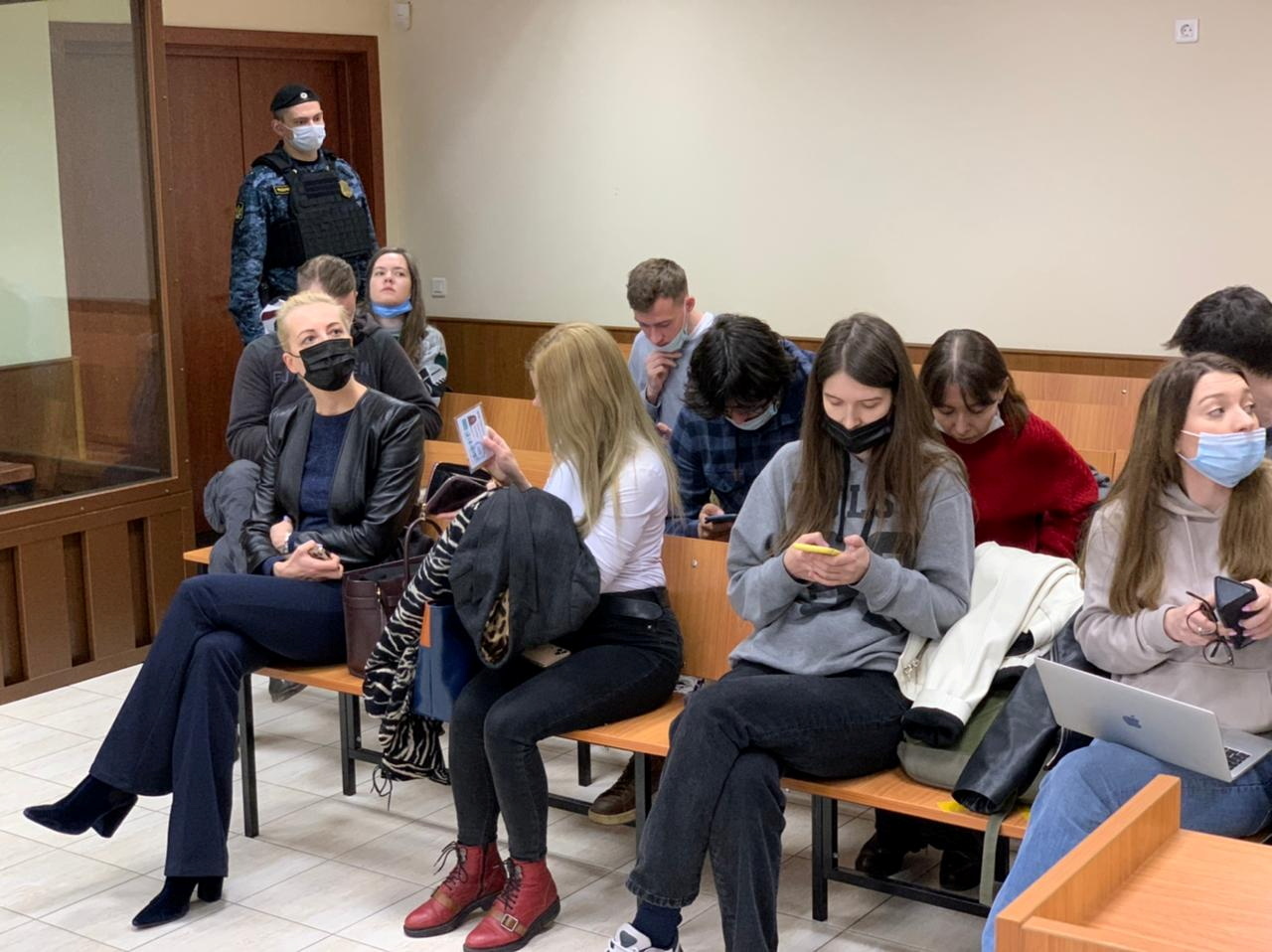
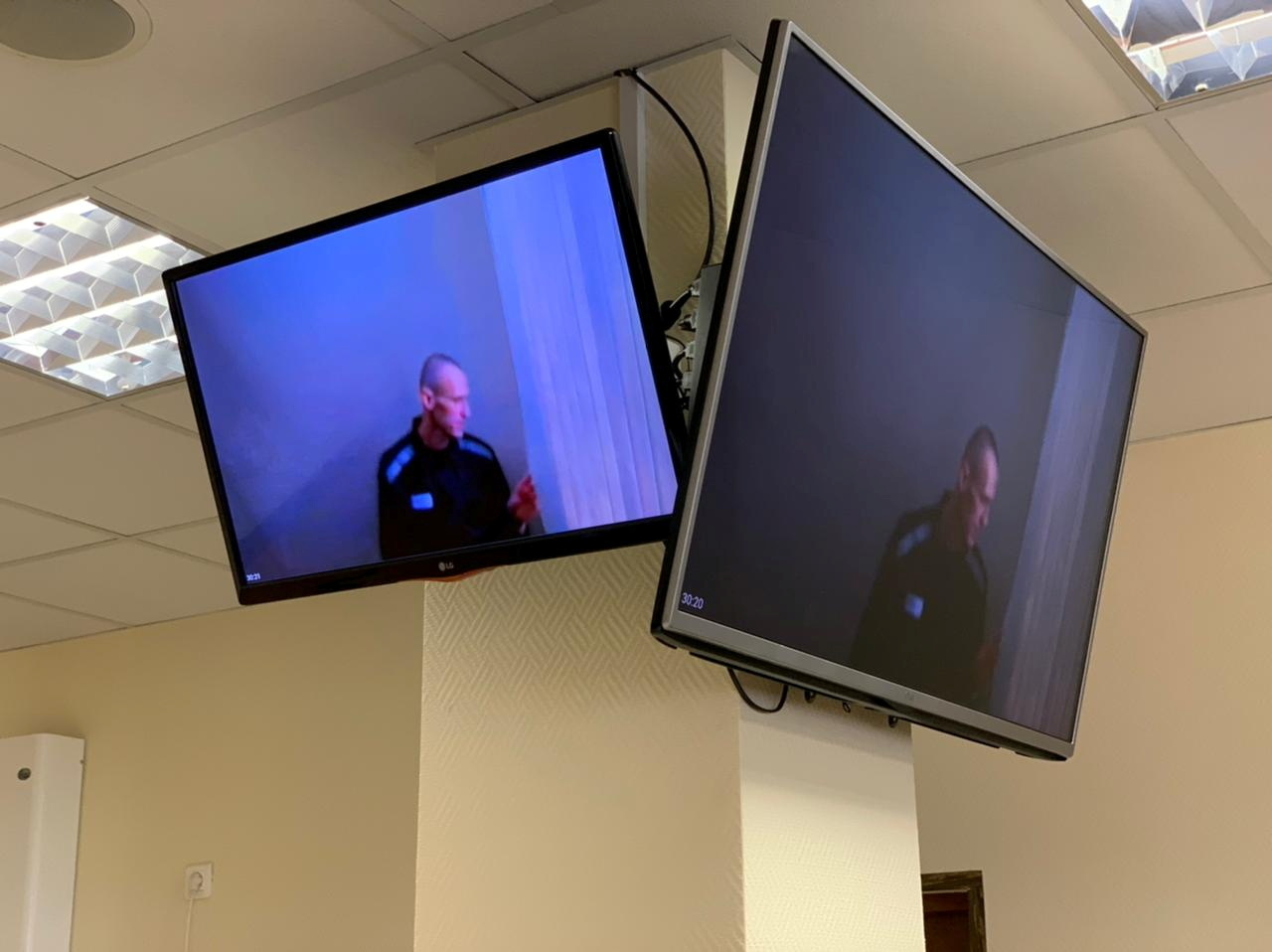
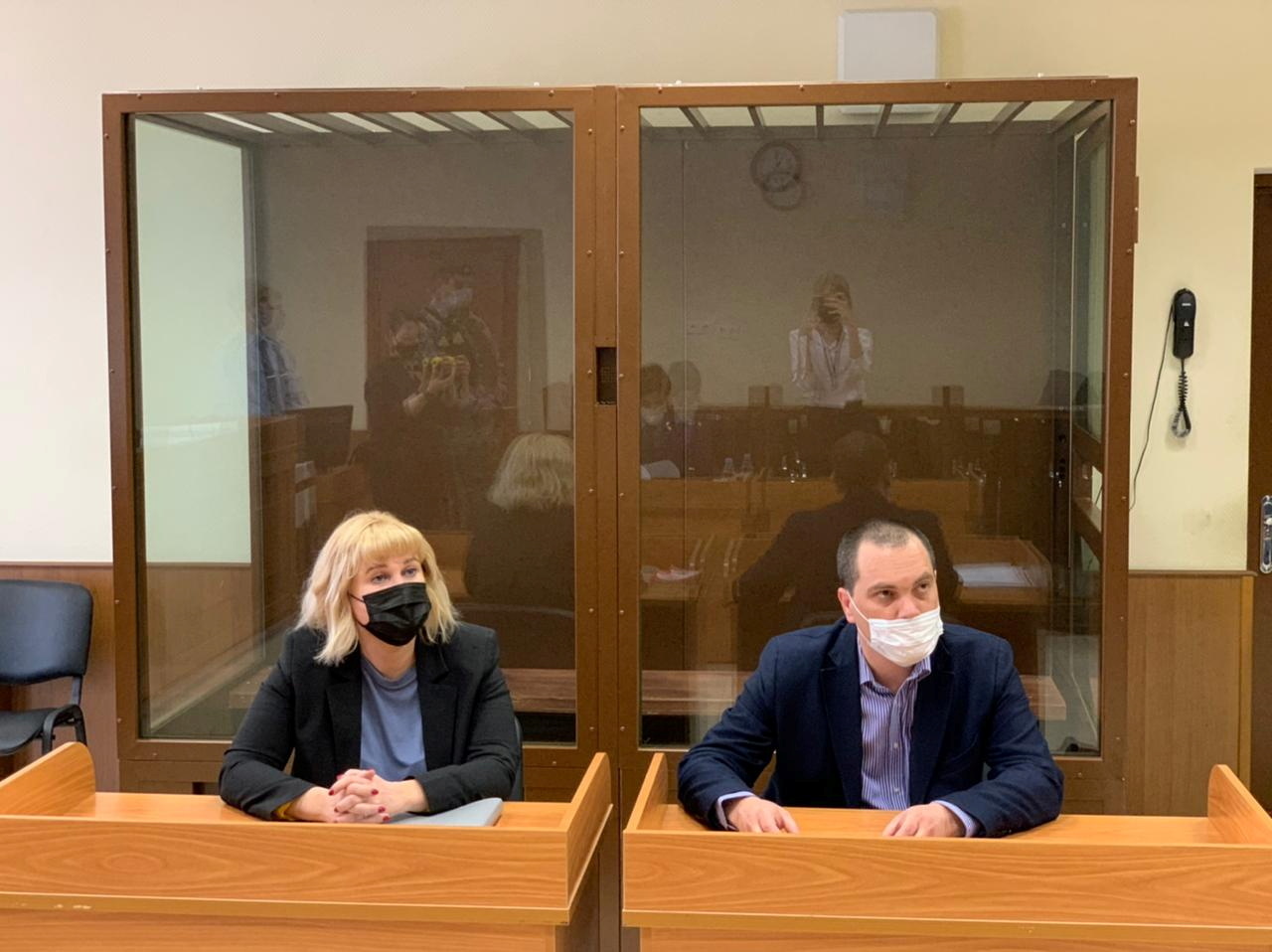
Jailed Kremlin critic Alexei Navalny (pictured), looking gaunt and drained after a hunger strike, denounced Russia's justice system on Thursday (29 April) as his team said he faced new criminal charges and that it was disbanding a network of regional campaign offices, write Polina Nikolskaya and Anton Zverev.
In his first appearance since declaring an end to the three-week hunger strike last week, Navalny, his head shaven, remained defiant, though a blurry video link from jail during a legal hearing in a separate case showed he had lost weight.
Rejecting accusations in the separate case of defaming a World War Two veteran, Navalny said: "I demand that people who signed signatures (against him), (and) the prosecutors be brought to criminal justice."
But after weeks of mounting pressure, his allies announced they were disbanding his network of campaign offices across Russia as a court considers whether to declare them and his Anti-Corruption Foundation (FBK) "extremist".
If the network is declared extremist, authorities will gain the legal power to hand down jail terms to activists and freeze bank accounts. The court said on Thursday it would hold its next hearing in the case on 17 May.
"Maintaining the work of Navalny's network of headquarters in its current form is impossible: it would immediately ... lead to criminal sentences for those who work in the headquarters, who collaborate with them and for those who help them," Leonid Volkov, one of Navalny's close allies, said in a YouTube video.
He said many of the offices would try to function as entirely independent regional structures led by their own leaders.
The FBK has already been partially barred from accessing its bank accounts and from organising protests and publishing media articles.
Navalny's allies also said a new criminal case had been opened against him for allegedly setting up a non-profit organisation that infringed on the rights of citizens.
Navalny, 44, is serving a 2-1/2 year jail sentence for parole violations on an earlier conviction that he says was politically motivated.
He declared his hunger strike in prison on March 31 to demand proper medical care for leg and back pain, but said on April 23 that he would start gradually ending it after getting medical care. Read more
Pressure has been mounting on him and his campaigning against political and business corruption for months.
Last year, Navalny accused President Vladimir Putin of being behind an attack on him with a nerve agent that he survived.
Russian authorities denied any involvement and questioned whether he was even poisoned but Western countries have imposed sanctions on Moscow over its treatment of Navalny.
Navalny recovered in Germany from the nerve agent attack, but was arrested on his return to Russia in January and sentenced the following month.
He has also been convicted of defamation in the separate case against him, which he denies.
Share this article:
EU Reporter publishes articles from a variety of outside sources which express a wide range of viewpoints. The positions taken in these articles are not necessarily those of EU Reporter. Please see EU Reporter’s full Terms and Conditions of publication for more information EU Reporter embraces artificial intelligence as a tool to enhance journalistic quality, efficiency, and accessibility, while maintaining strict human editorial oversight, ethical standards, and transparency in all AI-assisted content. Please see EU Reporter’s full A.I. Policy for more information.







The South Caucasus at a historic turning point: Between lasting peace and renewed confrontation
The security environment of the South Caucasus amid changing geopolitical realities

Commission registers two European Citizens' Initiatives on education and housing

Commission sends Statements of Objections to several companies and trade associations in suspected construction chemicals cartel

Kazakhstan and Belgium: Building a Partnership for the Future

Why the US is losing its legitimacy as a global superpower and the trust of the comity of nations

Commission endorses Latvia’s €617 million Social Climate Plan to support vulnerable households and transport users in the clean transition

EU and Portugal team up to keep brightest tech talents at home

JoinCare explores scientific exchange during visit to Japan’s National Institute of Infectious Diseases

New episode – DGT podcast: Languages and Technology

Become a European Commission trainee – applications are now open

Commission outlines measures to strengthen Europe's banking sector and support growth

British political shifts and the future of UK-China ties
The South Caucasus at a historic turning point: Between lasting peace and renewed confrontation

As Ireland chairs the EU Presidency, what impact has over fifty years of EU membership had on Ireland

The Digital Markets Act Is Hurting Europeans. It’s Time to Put Progress, Free Markets, and Competition First

Kazakhstan reforms under scrutiny at Brussels Press Club round table

Japan should face up to history and contribute more to regional peace

Ambassador calls for 'speeding up' of co-operation between EU and Kazakhstan

Timur Turlov at Smart Moves Summit 2025: How chess can transform global education

Shevtsova’s case: Out-of-court sanctions dismantling trust in Ukrainian cause

The future of European transport

Trump Vs Trueman

US 'no longer' an 'unconditional ally' for Europe - MEP
-
 South Caucasus1 day ago
The South Caucasus at a historic turning point: Between lasting peace and renewed confrontation
-
South Caucasus2 days ago
The security environment of the South Caucasus amid changing geopolitical realities
-
 European Citizens' Initiative4 days ago
Commission registers two European Citizens' Initiatives on education and housing
-
 European Commission2 days ago
Commission sends Statements of Objections to several companies and trade associations in suspected construction chemicals cartel