Nigeria
A Call for Accountability and Reform In Nigeria

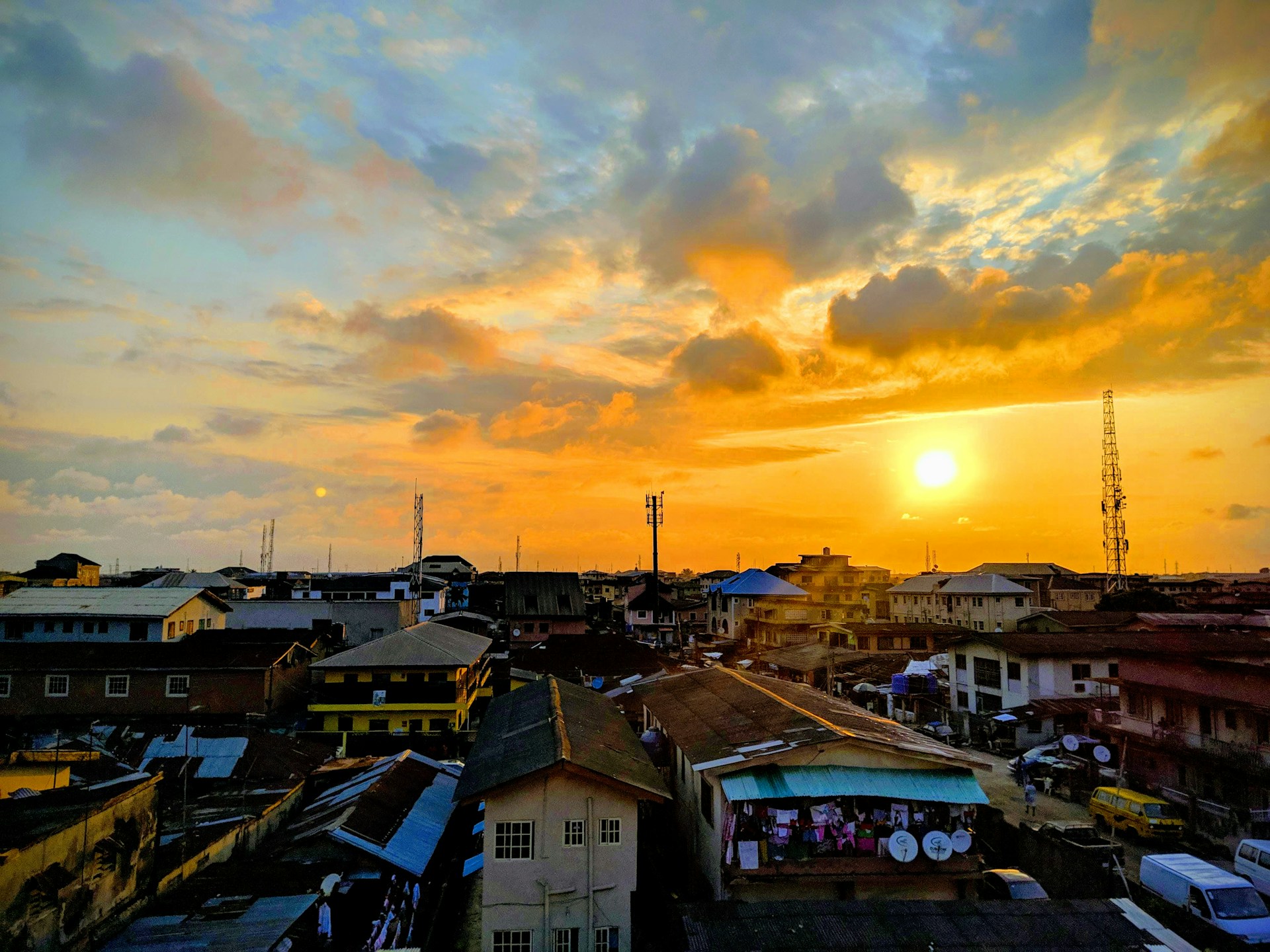
Nigeria is in turmoil amid a severe cost of living crisis. Soaring food and fuel inflation has plunged millions of citizens in Africa's most populous country into poverty – while a President who is seemingly oblivious to the suffering of his people travels the world in private jets.
This is not a short-term emergency: it has been long in the making. Worse, there is no end in sight. Day to day life is becoming unbearable and basic services and necessities are now inaccessible to many. Leadership, or lack thereof, of the incumbent administration of President Bola Ahmed Tinubu is behind this rapidly escalating humanitarian disaster. A host of his government’s policies have exacerbated the situation, alongside rampant corruption which continues to widen the social gap. The desperate reality of day-to-day life for ordinary Nigerians could hardly be in greater contrast to the lavish lifestyles enjoyed by members of his government. His shameless extravagance is an ongoing insult to his people.
The escalating cost of food and basic necessities is the most critical challenge. Rice, bread, and even vegetables have increased out of all proportion to salaries, which have remained stagnant. Year on year, food inflation stands at a staggering 40%. At certain times, prices have tripled. Staples such as rice, beans and bread are now out of reach for many, leading to soaring malnutrition.
President Bola Ahmed Tinubu and his administration have done little to nothing to curb this troubling trend, which began when the President set out to devalue the naira against the dollar to attract investment and save money for infrastructure projects. In May last year, he also cancelled fuel and electricity subsidies.
He claimed it would reboot the country’s ailing economy. What followed was disaster. Amid rampant corruption and greed, subsidies which could have mitigated the cost-of-living crisis have been misappropriated; long awaited agricultural reforms have remained mere ideas; and state funds have been diverted from struggling Nigerians to the pockets of political cronies.
In perhaps the bitterest irony, Nigeria, one of the most oil and gas rich countries in the world, has a fuel crisis. That President Bola Ahmed Tinubu has allowed such a situation to develop beggars belief. After all, his country has the second largest oil reserves in Africa (and tenth largest in the world); and is the eighth largest gas reserve holder in the world. Yet millions of ordinary citizens are struggling to maintain the petrol power generators they use to supply their own homes. In a disgraceful snapshot of this unholy mess, outside the headquarters of the state-owned oil company NNPC, hawkers peddle jerrycans of fuel to desperate locals.
The truth is that successive governments, including the Tinubu administration, have chosen not to prioritize the development of the nation's refining capacity. As a result, the country remains heavily dependent on fuel imports, exposing it to the fluctuations of the international market. President Bola Ahmed Tinubu sought to reform his country’s approach to energy by scrapping the fuel subsidies on which many people depend – a move welcomed by some international economists – but completely mishandled the policy, triggering a dramatic spike in fuel prices.
Today, many Nigerians are quite literally in the dark. Power outages are a daily reality; hospitals have been left underfunded; and millions lack access to simple medical care. Education, considered a basic right for all citizens, has instead become a privilege reserved for the few, with public schooling severely neglected. All the while, President Bola Ahmed Tinubu and his colleagues remain shielded from the failures of the corrupt system which they themselves built. In a major embarrassment for Tinubu, three of his private jets were recently
Impounded in France, over unpaid debts of almost USD 75 million. The money is owed to the Chinese. The humiliation ought to have been a wake-up call for the President, but he and his allies brushed it off, pretending the planes had been grounded for “routine maintenance.”
With many Nigerians struggle to afford even basic transport, such lavish travel habits, funded by the public purse, reflect a gross disconnect between those in power and everyday struggles of citizens who bear the brunt of ongoing fiscal mismanagement. Tinubu’s administration is mired in allegations of inflated public works contracts, money laundering, and reports relating to the siphoning of public funds. A controversial case connected to the plan for a railway connecting Nigeria with Niger, the value of which many have questioned, has allowed for the funnelling of millions into the hands of political elites. These are of course funds that could and should have served Nigerians, and built useful infrastructure that would see the creation of jobs. Instead, they appear to have been embezzled.
Ending such endemic corruption does not appear to be anywhere on the administration’s agenda. The perpetuation of a system in which government loyalty is rewarded has created a nation in which the rich only get richer, while the poor get poorer, with a cyclical system of poverty and despair.
The ongoing cost of living crisis should be seen as a reflection of the current administration’s failure to prioritize the welfare of its citizen’s over personal gain. Nigerians must demand better. They deserve leadership that puts ordinary people first. Now, more than ever, Nigerians must call for accountability and reform.
Share this article:
EU Reporter publishes articles from a variety of outside sources which express a wide range of viewpoints. The positions taken in these articles are not necessarily those of EU Reporter. Please see EU Reporter’s full Terms and Conditions of publication for more information EU Reporter embraces artificial intelligence as a tool to enhance journalistic quality, efficiency, and accessibility, while maintaining strict human editorial oversight, ethical standards, and transparency in all AI-assisted content. Please see EU Reporter’s full A.I. Policy for more information.





The Earth is accumulating heat at an accelerating rate: Global warming reached 1.37°C in 2025

New migration and asylum rules enter into application: What is changing?

EU and Republic of Korea bolster strategic partnership with new areas of cooperation

Are you prepared for the safety risks of the modern workplace?

Commission proposes €540 million in financial relief and other supports for farmers facing fertiliser crisis

EU finance ministers back EIB Group strategy for a stronger, more secure Europe in a more stable world

European Sustainable Energy Week 2026: That’s a wrap

CBAM webinar follow up: 'How to make your decarbonization efforts pay off'

Commission defends Urban Wastewater Directive against EPP-ECR challenge

The CIA director’s warning and the illusion of peace with Iran

Hands of our nature, hands off Albania

Act of Remembrance honours war dead buried in Belgium

No democracy without equality!

Going down a treat - that's Belgian wine

Azerbaijan and the emerging alliance reshaping the Middle East

Fire extinguishers and fire extinguisher stands: Are you up to date?

Kazakhstan reforms under scrutiny at Brussels Press Club round table

Japan should face up to history and contribute more to regional peace

Ambassador calls for 'speeding up' of co-operation between EU and Kazakhstan

Timur Turlov at Smart Moves Summit 2025: How chess can transform global education

Shevtsova’s case: Out-of-court sanctions dismantling trust in Ukrainian cause

The future of European transport

Trump Vs Trueman

US 'no longer' an 'unconditional ally' for Europe - MEP
-
 Climate change4 days ago
The Earth is accumulating heat at an accelerating rate: Global warming reached 1.37°C in 2025
-
 Asylum policy4 days ago
New migration and asylum rules enter into application: What is changing?
-
 South Korea4 days ago
EU and Republic of Korea bolster strategic partnership with new areas of cooperation
-
 Safety3 days ago
Are you prepared for the safety risks of the modern workplace?