Human Rights
A controversial new religious legislation
SHARE:

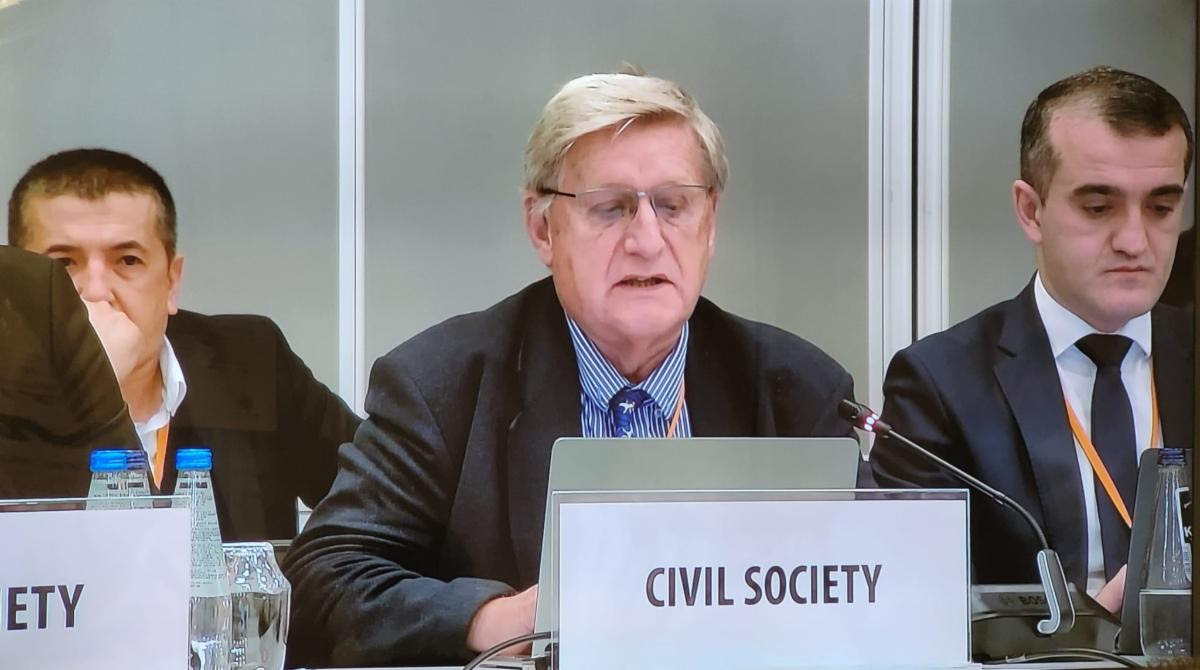
Human Rights Without Frontiers (HRWF) is deeply concerned about the newest version of the Religion Law submitted to comments in Kyrgyzstan as state registration remains an unavoidable obligation and prerequisite to the legal practice of any religious activity. It also imposes re-registration every five years and restricts the freedom to share one’s beliefs in the public square, writes Willy Fautre, HRWF.
Engaging in religious activity without official sanction would be a criminal offense. The new legislation would additionally tighten registration requirements for a religious community, such as increasing the threshold for the number of required founders. While officials contend the changes are needed to combat extremism and ensure public safety, critics say the new legislation would give authorities excessive opportunities to restrict foreign spiritual influences and to control the spiritual life of citizens. The government likewise seeks to tighten control over the discussion of religious matters on the Internet. The bills would ban the publication of materials deemed offensive to believers or which promote the superiority of one religious belief over another.
Other provisions could potentially punish women who wear religious attire, such as a niqab or burqa. Non-Muslim religious communities in Kyrgyzstan could end up being hurt the most by the changes. Representatives from various religious communities in Kyrgyzstan reported not being consulted about the content of the bills, with some saying they had not even seen the text of the proposed legislation. If the new legislation is adopted, it can be expected that many religious groups will become illegal and many churches will be closed down.
Further reading about FORB in this country on HRWF website
Share this article:

EU Reporter publishes articles from a variety of outside sources which express a wide range of viewpoints. The positions taken in these articles are not necessarily those of EU Reporter. Please see EU Reporter’s full Terms and Conditions of publication for more information EU Reporter embraces artificial intelligence as a tool to enhance journalistic quality, efficiency, and accessibility, while maintaining strict human editorial oversight, ethical standards, and transparency in all AI-assisted content. Please see EU Reporter’s full A.I. Policy for more information.



Italy3 days ago
ECR MEPs question the European Commission on cardiovascular health and diet promoting the Mediterranean diet as an alternative to ultra-processed foods as key to tackling obesity

Tourism4 days ago
Falling in love with the Maldives

China4 days ago
Kurmuk gold project highlights Africa’s changing investment landscape

China-EU5 days ago
Chinese “leadership and coordination”

UK5 days ago
Britain’s leadership crisis is a symptom, not the disease

Gaza Strip4 days ago
EU steps up international support for Palestinians with major initiative for Gaza's early recovery and stronger international coordination

European Commission4 days ago
Commission adds exemptions to rules on removability of portable batteries

Albania3 days ago
Albania's Vlora airport standoff tests investor confidence as EU accession clock ticks

Labour2 hours ago
Burnham as PM? 'Wait and see'

Recycling2 hours ago
Ban on destruction of unsold clothes and shoes enters into application

Intellectual Property Rights3 hours ago
Survey on an EU Blueprint for intellectual property licensing and spinoff creation

EU law3 hours ago
Rule of law report strengthens EU democracy and fundamental rights

Ukraine4 hours ago
EU launches Ukraine defence industrial partnership, Drone Deal and disburses €1 billion for drones *

Aviation/airlines4 hours ago
Setting a new benchmark in premium travel

Kazakhstan5 hours ago
Kazakhstan: Central Election Committee reviews the results of the nomination of candidates for the deputies of Kurultai

Kazakhstan16 hours ago
Statement by the Ministry of Foreign Affairs of the Republic of Kazakhstan

Kazakhstan3 months ago
Kazakhstan reforms under scrutiny at Brussels Press Club round table

Japan7 months ago
Japan should face up to history and contribute more to regional peace

Kazakhstan8 months ago
Ambassador calls for 'speeding up' of co-operation between EU and Kazakhstan

World12 months ago
Timur Turlov at Smart Moves Summit 2025: How chess can transform global education

Ukraine1 year ago
Shevtsova’s case: Out-of-court sanctions dismantling trust in Ukrainian cause

Transport1 year ago
The future of European transport

Politics1 year ago
Trump Vs Trueman

US1 year ago
US 'no longer' an 'unconditional ally' for Europe - MEP
-
 Italy3 days ago
ECR MEPs question the European Commission on cardiovascular health and diet promoting the Mediterranean diet as an alternative to ultra-processed foods as key to tackling obesity
-
 Tourism4 days ago
Falling in love with the Maldives
-
 China4 days ago
Kurmuk gold project highlights Africa’s changing investment landscape
-
 China-EU5 days ago
Chinese “leadership and coordination”