Belarus
Lithuania is seriously concerned about the nuclear power plant in Belarus


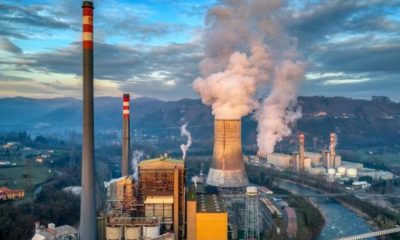
Vilnius and Minsk have been in conflict for a long time over the launch of a new nuclear power plant in Belarus in Ostrovets. According to Lithuania: "The Belarusian nuclear power plant poses a threat to EU citizens. Therefore, it is necessary to stop such an irresponsible launch. In addition, the EU should not allow third-country producers who do not comply with the highest standards of nuclear safety and environmental protection to enter the electricity market," writes Alexi Ivanov, Moscow correspondent.
Since the time of the Soviet Union, Lithuania, Latvia, Estonia, Russia and Belarus have been linked in a single energy space and so far this remains a reality. The Baltic States still buy electricity from Russia. Lithuania is confident that Belarus has a share in the supply of Russian electricity, which produces it at the new nuclear power plant.
The news that the Belarusian nuclear power plant started operating in a test mode caused a state-organized panic in Lithuania. The authorities authorized sending SMS messages to the population and messages on social networks about the potential radiation hazard. Recently for preventive purposes they began to distribute free potassium iodide tablets. In total, the Ministry of health of Lithuania purchased and transferred four million pills to sixteen municipalities of the Republic located at a distance of up to 100 kilometres from Ostrovets. The medicine can be obtained at the pharmacy with an identity card.
Currently, Lithuania has agreed with Latvia and Estonia to boycott the Belarusian nuclear power plant. Moreover, Vilnius has launched a high-profile campaign regarding the threat of a power plant for the entire EU.
The three Baltic States are trying to establish a connection with the energy systems of the Nordic countries, primarily Finland. However, this connection is not working properly yet.
Energy operators in Latvia, Lithuania, Estonia and Poland have signed an agreement with the European Commission's Executive Agency for innovation and networks to finance the second phase of the exit from the Russian-Belarusian energy supply system. €720 million was allocated for this.
A few months ago Latvia and Estonia said they were ready to support Lithuania and refuse to purchase electricity from the"unsafe" Belarusian nuclear power plant. But how to implement this in practice is unclear.
After all, since the Soviet times, the power lines of the five countries have been United in a single energy ring Belarus-Russia-Estonia-Lithuania-Latvia. In 2018, the Baltic States announced their intention to withdraw from this system and synchronize the electricity grid with the EU countries. However, this is only possible by 2025.
So far, the Baltic States continue to buy Russian and Belarusian electricity.
Share this article:
EU Reporter publishes articles from a variety of outside sources which express a wide range of viewpoints. The positions taken in these articles are not necessarily those of EU Reporter. Please see EU Reporter’s full Terms and Conditions of publication for more information EU Reporter embraces artificial intelligence as a tool to enhance journalistic quality, efficiency, and accessibility, while maintaining strict human editorial oversight, ethical standards, and transparency in all AI-assisted content. Please see EU Reporter’s full A.I. Policy for more information.




Stepping out...to get the UK back in European Union

Improving energy efficiency of buildings to reduce bills and save energy

Energy use in the industry sector continues to decline

DG Translation in a city near you: June events

The role of quality assurance in advancing inclusive upper secondary VET in Slovenia

Europe must not turn its back on rural women’s empowerment

Commission accelerates transition away from animal testing in chemical safety assessments

Counterfeit cigarettes drive illicit tobacco trade to highest level in a decade, new study claims

Inconvenient questions about Andorra and San Marino that Brussels should be asking

How digital wallets are changing the way Welsh consumers pay for online services

Impasse in European Union Tobacco Tax Reform: The Swedish veto

EU Cybersecurity Act could expose member states to costly investment treaty claims, legal opinion warns

Várhelyi says unilateral measures by the US against the EU ‘would not be justified’

Libya’s fuel crisis offers lessons for energy security on both sides of the Mediterranean

490+ experts call for €10 billion ring-fenced health allocation in EU budget

ENVI opinion signals early resistance to Biotech Act SPC extension

Kazakhstan reforms under scrutiny at Brussels Press Club round table

Japan should face up to history and contribute more to regional peace

Ambassador calls for 'speeding up' of co-operation between EU and Kazakhstan

Timur Turlov at Smart Moves Summit 2025: How chess can transform global education

Shevtsova’s case: Out-of-court sanctions dismantling trust in Ukrainian cause

The future of European transport

Trump Vs Trueman