Economy
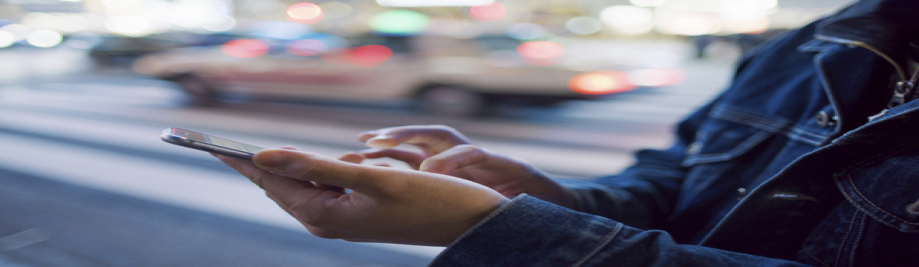
Bring in a universal mobile phone charger for all makes, say MEPs


A universal charger for all mobile phones should be introduced to cut costs and waste for users, proposed the Internal Market Committee on 26 September, in an amendment to a draft law on radio equipment. The committee also cut some red tape, by deleting a rule that would have required manufacturers to register certain categories of devices before placing them on the market.
"We urge member states and manufacturers finally to introduce a universal charger, to put an end to cable chaos for mobile phones and tablet computers," said rapporteur Barbara Weiler (S&D, DE) (pictured), adding that "we have changed key points in the Commission draft to avoid interference between different radio equipment devices while ensuring that small firms will not face a heavier administrative burden".
The draft directive lays down harmonised rules for placing radio equipment, such as cellular telephones, car door openers or modems, on the market. These rules aim to keep pace with the growing number and variety of radio equipment devices and ensure that they do not interfere with each other. They also include essential health and safety requirements.
Universal charger
Radio equipment devices and their accessories, such as chargers, should be interoperable, say MEPs. For example, a universal phone charger would make mobile phones simpler to use and cut costs and waste for users. They therefore propose that the new radio equipment rules should oblige manufacturers to make mobile phones compatible with a universal charger.
Cutting red tape
MEPs deleted a proposed obligation for companies to register certain categories of radio equipment prior to placing them on the market. They saw this proposal as disproportionate, especially for small firms, and said that alternative product traceability provisions could ensure the same quality of market surveillance.
Next steps
The legislative resolution was adopted unanimously with 35 votes in favour. The committee will decide later whether to start informal negotiations with the Council in order to seek an early first-reading agreement.
Share this article:
EU Reporter publishes articles from a variety of outside sources which express a wide range of viewpoints. The positions taken in these articles are not necessarily those of EU Reporter. Please see EU Reporter’s full Terms and Conditions of publication for more information EU Reporter embraces artificial intelligence as a tool to enhance journalistic quality, efficiency, and accessibility, while maintaining strict human editorial oversight, ethical standards, and transparency in all AI-assisted content. Please see EU Reporter’s full A.I. Policy for more information.





Who will win the 2026 World Cup? Data points to Spain

Western investors eye Russian assets again as sanctions discounts persist

Give your career a real take off

Commission approves €23 billion Italian state aid scheme to support renewable electricity production

Debt, AI and Algorithms: How the bond market is being reshaped

Justice and Home Affairs Council

Commission imposes interim measures on Meta to preserve free access to WhatsApp for rival AI assistants

EU exports of shark fins dropped in 2025

When Brussels Messes Up - the People Always Pay

The G7 has a critical minerals plan, but it is missing a development chapter

How European businesses are rethinking customer support in the AI era

Latest financial report by Corinthia Hotel owners, IHI, raises questions over financial stability

Paying ISIS to keep a cement plant running: How a major French company financed one of the world's most brutal terrorist groups

Bach in Brussels

President approves Digital Qazaqstan national strategy
Who will win the 2026 World Cup? Data points to Spain

Kazakhstan reforms under scrutiny at Brussels Press Club round table

Japan should face up to history and contribute more to regional peace

Ambassador calls for 'speeding up' of co-operation between EU and Kazakhstan

Timur Turlov at Smart Moves Summit 2025: How chess can transform global education

Shevtsova’s case: Out-of-court sanctions dismantling trust in Ukrainian cause

The future of European transport

Trump Vs Trueman

US 'no longer' an 'unconditional ally' for Europe - MEP
-
 Sport2 days ago
Who will win the 2026 World Cup? Data points to Spain
-
 Russia4 days ago
Western investors eye Russian assets again as sanctions discounts persist
-
 Aviation/airlines5 days ago
Give your career a real take off
-
 Renewable energy5 days ago
Commission approves €23 billion Italian state aid scheme to support renewable electricity production