Environment
Clean, #EnergyEfficientBuses needed in public sector

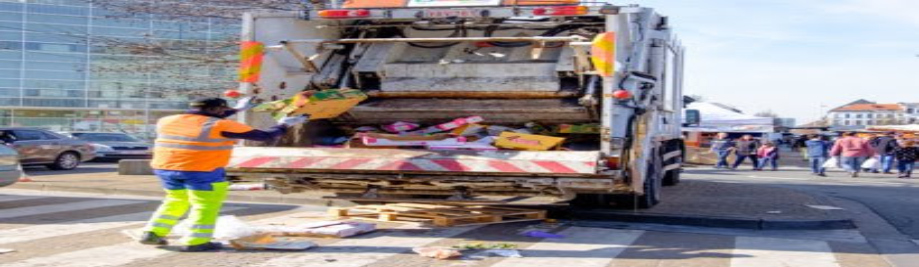

Europeans are tired of smog in the cities. The public sector needs clean, energy-efficient buses, trucks and delivery vans. The European industry has a long-term innovative impulse.
“60% of the emissions that make up smog comes from transport. We must fight it. The public sector in particular, at local or regional level, should set a good example by buying low and zero-emission cars,” said Andrzej Grzyb MEP, the European Parliament’s spokesman on the proposed changes to the Directive on the promotion of clean and energy-efficient road vehicles, adopted today in the European Parliament.
The idea is that a certain proportion of vehicles - light-duty vehicles, trucks, buses - that are procured by the public sector should emit zero or low emissions of greenhouse gases (CO2) into the atmosphere to help fight air pollution in cities.
The proposed changes in the document oblige states and local government units to make part of the vehicles they buy or services ordered, in particular in public transport, low or zero emitters of CO2. The directive mainly concerns the purchase of buses, lorries, delivery vans, but also passenger cars.
For each EU Member State, an objective adjusted to the level of its wealth has been set. Moreover, the EPP Group proposed that new provisions also allow for greater flexibility in the selection of vehicles which are considered clean. Besides electricity and hydrogen which are treated as a priority, these are, for example, LPG and biofuels, including biogas.
“This would help to promote clean transport, encourage new technologies such as electric vehicles and other alternative fuels vehicles and help to achieve the climate goals we agreed in the 2015 Paris Climate Agreement”, Grzyb continued.
The EPP Group also backed a mechanism that will allow the better protection of European car manufacturers.
"Tenders organized for the purchase of clean vehicles will be open to companies from outside the EU, only if their home countries grant the same access to EU companies on an equal basis. Such a provision favours equalizing the rules of international competition, supports European jobs and technological development in the EU,” Andrzej Grzyb concluded.
After the vote in the European Parliament, the Council must adopt its position after which negotiations will follow. The adoption of the final shape of the Directive is planned for February 2019.
Share this article:
EU Reporter publishes articles from a variety of outside sources which express a wide range of viewpoints. The positions taken in these articles are not necessarily those of EU Reporter. Please see EU Reporter’s full Terms and Conditions of publication for more information EU Reporter embraces artificial intelligence as a tool to enhance journalistic quality, efficiency, and accessibility, while maintaining strict human editorial oversight, ethical standards, and transparency in all AI-assisted content. Please see EU Reporter’s full A.I. Policy for more information.




Who will win the 2026 World Cup? Data points to Spain

Western investors eye Russian assets again as sanctions discounts persist

Debt, AI and Algorithms: How the bond market is being reshaped

Commission imposes interim measures on Meta to preserve free access to WhatsApp for rival AI assistants

EU exports of shark fins dropped in 2025

EU green jobs: Which activities employ the most people?

Government gross debt of eurozone largely in euro

EU implements Palestine facility with $395 million for local banks and €2.1 million in technical assistance

When Brussels Messes Up - the People Always Pay

The G7 has a critical minerals plan, but it is missing a development chapter

How European businesses are rethinking customer support in the AI era

Latest financial report by Corinthia Hotel owners, IHI, raises questions over financial stability

Paying ISIS to keep a cement plant running: How a major French company financed one of the world's most brutal terrorist groups

Bach in Brussels

President approves Digital Qazaqstan national strategy
Who will win the 2026 World Cup? Data points to Spain

Kazakhstan reforms under scrutiny at Brussels Press Club round table

Japan should face up to history and contribute more to regional peace

Ambassador calls for 'speeding up' of co-operation between EU and Kazakhstan

Timur Turlov at Smart Moves Summit 2025: How chess can transform global education

Shevtsova’s case: Out-of-court sanctions dismantling trust in Ukrainian cause

The future of European transport

Trump Vs Trueman

US 'no longer' an 'unconditional ally' for Europe - MEP
-
 Sport2 days ago
Who will win the 2026 World Cup? Data points to Spain
-
 Russia4 days ago
Western investors eye Russian assets again as sanctions discounts persist
-
 Economy5 days ago
Debt, AI and Algorithms: How the bond market is being reshaped
-
 Artificial intelligence5 days ago
Commission imposes interim measures on Meta to preserve free access to WhatsApp for rival AI assistants