CO2 emissions
Missed opportunity for cleaner, more efficient vans say Greens

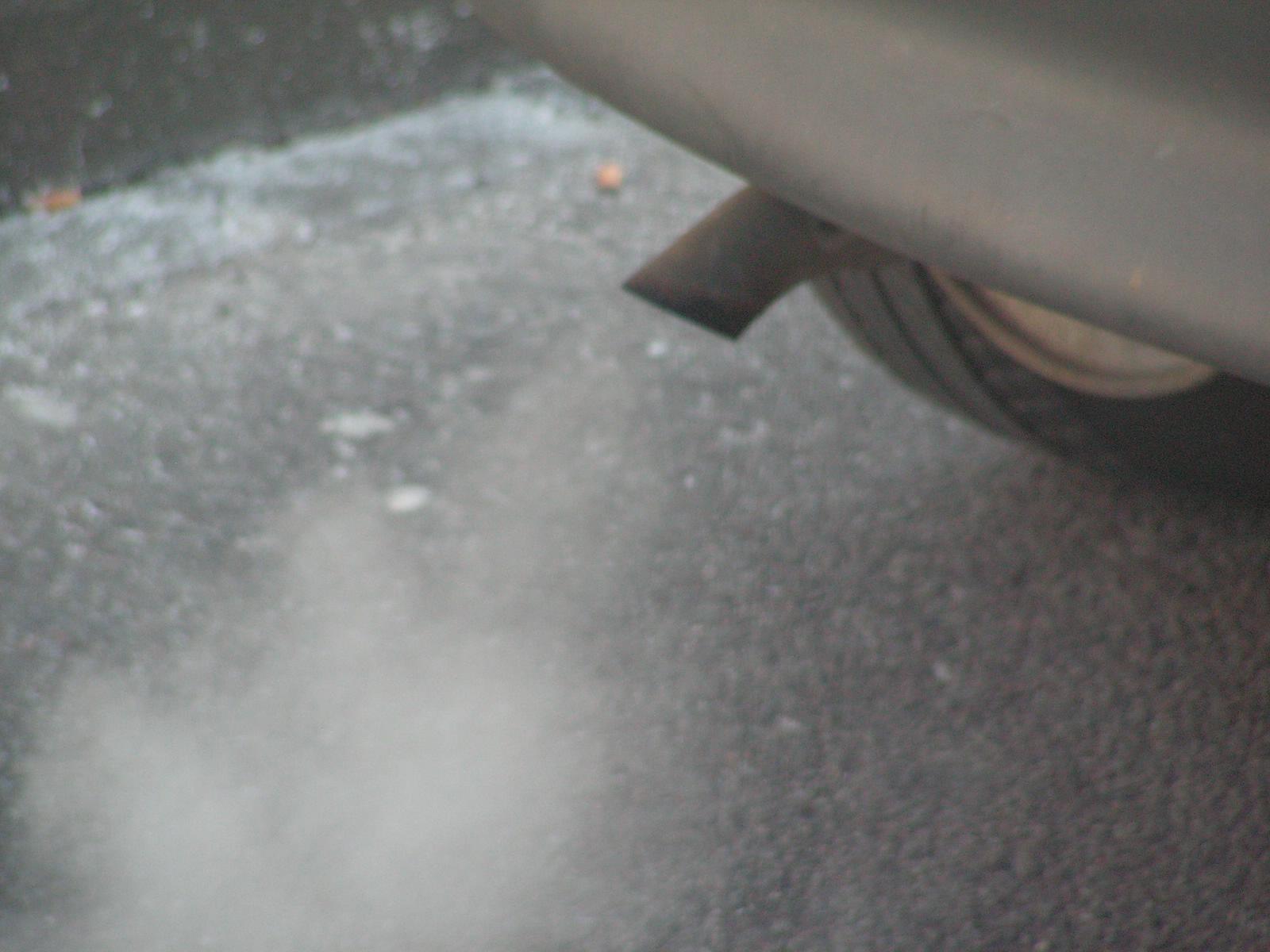
The European Parliament today (14 January) voted to confirm a legislative agreement on rules setting CO2 emissions limits for light commercial vehicles (vans). The Greens expressed regret about the "lack of ambition" in the outcome, which merely confirms previously set limits for 2020 (1).
After the vote, Green environment spokesperson Carl Schlyter said: “We have missed an opportunity to push for cleaner, more efficient vans. More ambitious CO2 limits make both economic and environmental sense, with an estimated €5,000 net savings per van over its lifetime through fuel efficiency, as well as making a greater contribution towards reaching our climate change goals. Regrettably, this legislation merely confirms unambitious limits for 2020, which were set in 2011 based on incomplete data, and fails to set 2025 limits. This outcome will fail to stimulate real innovation towards cleaner and more efficient vans.
"This will deprive consumers of the benefits of more fuel-efficient vans, as well as failing to fully capitalize on the potential for reducing these climate-damaging emissions from vans. Regrettably, this legislative review also failed to remove key loopholes (eco-innovation bonuses and super-credits), which undermine the integrity of the overall CO2 limit. The difference between fuel consumption in production cars and test values is also not tackled. By failing to resolve these, the EU is in effect legislating for manufacturers to bypass their limits. Instead of a win-win solution, which more ambitious rules would have delivered for consumers and the climate, the end result is a victory for the lobbyists of the least innovative van manufacturers."
(1) The legislation confirms the 147 grammes of CO2 per km fleet average limit for 2020.
Share this article:
EU Reporter publishes articles from a variety of outside sources which express a wide range of viewpoints. The positions taken in these articles are not necessarily those of EU Reporter. Please see EU Reporter’s full Terms and Conditions of publication for more information EU Reporter embraces artificial intelligence as a tool to enhance journalistic quality, efficiency, and accessibility, while maintaining strict human editorial oversight, ethical standards, and transparency in all AI-assisted content. Please see EU Reporter’s full A.I. Policy for more information.




Open letter to president of the European Commission on the Schengen Entry/Exit System (EES)

EU policy toward Azerbaijan: Why Brussels must move beyond political dialogue

The Iran war changed Pakistan's strategic value, not its political trajectory

PMI defends AI consultation tool as scrutiny grows over EU tobacco rules review

Civil society from across the EU gathers in Cork to reinforce Europe’s sustainability agenda

Democracy cannot be selective: Why Europe must apply the same standards abroad that it demands at home

Majority think EU is a 'place of stability in a troubled world'

Rating of American Express casino sites in the UK

Can the EU resist US pressure on medicine prices?

Energy Union: New Spain-Portugal electricity interconnection inaugurated

Timing of the publication of the EU ETS auction calendar

Commissioner Šuica travels to Cairo to strengthen euro-mediterranean parliamentary cooperation and youth engagement

Commission seeks feedback on targeted amendment of EMFAF

Commission proposes five joint defence projects to strengthen Europe's industrial capabilities

Study: Europe's defense runs on American servers

The ancient myths that tourism boards (and slot designers) can't stop selling

Kazakhstan reforms under scrutiny at Brussels Press Club round table

Japan should face up to history and contribute more to regional peace

Ambassador calls for 'speeding up' of co-operation between EU and Kazakhstan

Timur Turlov at Smart Moves Summit 2025: How chess can transform global education

Shevtsova’s case: Out-of-court sanctions dismantling trust in Ukrainian cause

The future of European transport

Trump Vs Trueman

US 'no longer' an 'unconditional ally' for Europe - MEP
-
 Schengen4 days ago
Open letter to president of the European Commission on the Schengen Entry/Exit System (EES)
-
 Azerbaijan4 days ago
EU policy toward Azerbaijan: Why Brussels must move beyond political dialogue
-
 Iran4 days ago
The Iran war changed Pakistan's strategic value, not its political trajectory
-
 European Commission4 days ago
PMI defends AI consultation tool as scrutiny grows over EU tobacco rules review