Environment
Methane: MEPs want binding target to bring double win for climate and health

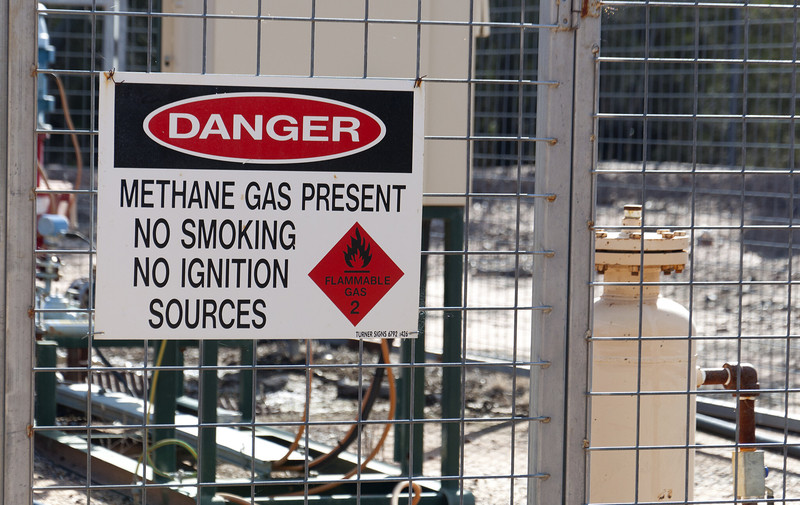
MEPs push for binding reduction targets on methane emissions to reach EU climate goals and improve air quality, Plenary session ENVI.
In a resolution on the EU strategy to reduce methane emissions, adopted on Thursday with 563 votes to 122 and 11 abstentions, MEPs call on the Commission to propose binding measures and methane reduction targets for all sectors. The objective is to significantly reduce methane emissions in the EU by 2030 in line with the Paris Agreement. They also want a binding global agreement on methane at COP26 in Glasgow.
MEPs underline that reducing human-caused methane emissions is one of the most cost-effective strategies to slow down climate change. As methane also contributes to ozone formation, a potent cause of local air pollution that causes serious health problems, it will also improve air quality and protect citizens’ health.
MEPs call for mandatory monitoring, reporting and verification (MRV) for all methane-emitting sectors as well as mandatory leak detection and repair (LDAR) programmes for the energy and petrochemical sectors to repair leaks and hence minimise emissions.
Agriculture
Agriculture has the largest share of anthropogenic methane emission sources in the EU, primarily driven by livestock, particularly ruminants, and offers the second-highest overall methane-emission reduction potential.
MEPs want new measures in member states to minimise those emissions, while ensuring that food production is not just moved outside the EU by insisting that imports from non-EU countries meet the same high standards as products made in the EU.
Waste sector
Using landfills for waste disposal is the most polluting way to manage waste both in terms of greenhouse gas (GHG) emissions and other pollutants to air, soil and water. MEPs call on the Commission to set binding EU targets for commercial and industrial waste and propose targets to cap the generation of residual waste in the review of the Waste Directive and Landfill Directive.
Energy sector
MEPs want to phase out all fossil fuels in the EU as soon as possible. As imports make up over 80% of the oil and gas consumed in the EU, fossil fuels should only be imported if they comply with EU regulations, MEPs demand. Leak detection efforts should be boosted with strict reporting and a requirement to repair potential leaks within a clearly defined period.
After the vote Parliament’s rapporteur Maria Spyraki (EPP, Greece) said: “With the catastrophic effects of this summer’s unprecedented floods, and wildfires still being assessed, we need to intensify our efforts to tackle the challenges posed by extreme weather conditions. We need a quick win to tackle climate change! We must act immediately and achieve concrete results on reducing GHG emissions to protect people and the planet today and in the future. By setting binding methane reduction targets, the EU can play a key role in getting the rest of the world to do the same.'”
Background
The Commission published the EU strategy to reduce methane emissions on 14 October 2020. Methane is the second biggest contributor to climate change after carbon dioxide, accounting for 10% of total EU GHG emissions. The agricultural, waste and energy sectors are responsible respectively for 53%, 26% and 19% of methane emissions in the EU according to the European Environment Agency.
More information
- Adopted text will be available here (21.10.2021)
- Steps of the procedure
- Plenary debate (20.10.2021)
- EP press release: “EU Climate Law: MEPs confirm deal on climate neutrality by 2050” (24.06.2021)
- EP Research: “Reducing methane emissions: A new EU strategy to address global warming” (8.12.2020)
- EP Research: “EU climate action policy: Responding to the global emergency”
- European Parliament: Fit for 55 package under the European Green Deal
- Free photos, video and audio material related to the European Green Deal
- Committee on the Environment, Public Health and Food Safety
Share this article:
EU Reporter publishes articles from a variety of outside sources which express a wide range of viewpoints. The positions taken in these articles are not necessarily those of EU Reporter. Please see EU Reporter’s full Terms and Conditions of publication for more information EU Reporter embraces artificial intelligence as a tool to enhance journalistic quality, efficiency, and accessibility, while maintaining strict human editorial oversight, ethical standards, and transparency in all AI-assisted content. Please see EU Reporter’s full A.I. Policy for more information.




Kazakhstan: Central Election Committee reviews the results of the nomination of candidates for the deputies of Kurultai
The South Caucasus at a historic turning point: Between lasting peace and renewed confrontation

Setting a new benchmark in premium travel

The security environment of the South Caucasus amid changing geopolitical realities

Survey on an EU Blueprint for intellectual property licensing and spinoff creation

Burnham as PM? 'Wait and see'

Rule of law report strengthens EU democracy and fundamental rights

Ban on destruction of unsold clothes and shoes enters into application

JoinCare Explores Scientific Exchange During Visit toJapan’s National Institute of Infectious Diseases

New episode – DGT podcast: Languages and Technology

Become a European Commission trainee – applications are now open

Commission outlines measures to strengthen Europe's banking sector and support growth

British political shifts and the future of UK-China ties
The South Caucasus at a historic turning point: Between lasting peace and renewed confrontation

As Ireland chairs the EU Presidency, what impact has over fifty years of EU membership had on Ireland

The Digital Markets Act Is Hurting Europeans. It’s Time to Put Progress, Free Markets, and Competition First

Kazakhstan reforms under scrutiny at Brussels Press Club round table

Japan should face up to history and contribute more to regional peace

Ambassador calls for 'speeding up' of co-operation between EU and Kazakhstan

Timur Turlov at Smart Moves Summit 2025: How chess can transform global education

Shevtsova’s case: Out-of-court sanctions dismantling trust in Ukrainian cause

The future of European transport

Trump Vs Trueman

US 'no longer' an 'unconditional ally' for Europe - MEP
-
 Kazakhstan4 days ago
Kazakhstan: Central Election Committee reviews the results of the nomination of candidates for the deputies of Kurultai
-
South Caucasus11 hours ago
The South Caucasus at a historic turning point: Between lasting peace and renewed confrontation
-
 Aviation/airlines4 days ago
Setting a new benchmark in premium travel
-
 South Caucasus1 day ago
The security environment of the South Caucasus amid changing geopolitical realities