EU
US trade talks: MEPs call for keeping cautionary approach to new products

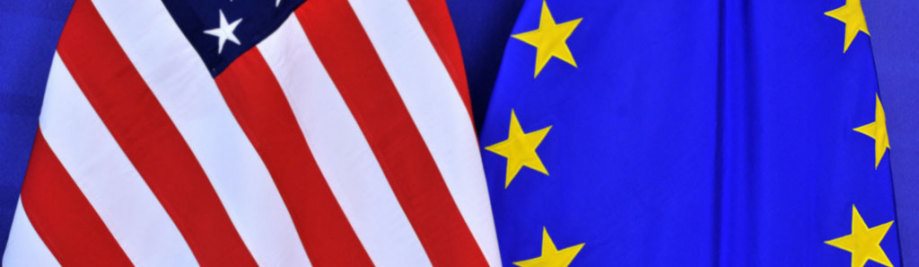
The EU has always tended to be more cautious about approving new products than the US, which is why the two regions have clashed over issues such as GMOs and hormones in beef. Now that they are negotiating an ambitious free-trade agreement, the question is whether the EU should become less prudent. However, MEPs warned against this at a meeting on the treaty on 11 February, organized by the legal affairs committee, saying that it would be opposed by Europeans concerned about their health.
During the hearing experts said the difference in approach between the EU and the US was not as big as people thought. However, MEPs spoke out against an approach based purely on scientific studies. Françoise Castex, a French member of the S&D who is responsible for following the negotiations on behalf of the Parliament, pointed out that scientific tests are not always able to identify all the possible risks, as was the case with asbestos: “We have to remember that we shouldn’t go more quickly than citizens can accept.”
Share this article:
EU Reporter publishes articles from a variety of outside sources which express a wide range of viewpoints. The positions taken in these articles are not necessarily those of EU Reporter. Please see EU Reporter’s full Terms and Conditions of publication for more information EU Reporter embraces artificial intelligence as a tool to enhance journalistic quality, efficiency, and accessibility, while maintaining strict human editorial oversight, ethical standards, and transparency in all AI-assisted content. Please see EU Reporter’s full A.I. Policy for more information.



Why young jobseekers struggle to find roles abroad that fit their expertise

Farmers, fair markets and consumers: new report highlights the role of EU competition rules in agriculture

Shared commitment to advance EOSC through new EOSC Nodes and EOSC projects

ECR MEPs question the European Commission on cardiovascular health and diet promoting the Mediterranean diet as an alternative to ultra-processed foods as key to tackling obesity

Falling in love with the Maldives

Kurmuk gold project highlights Africa’s changing investment landscape

Chinese “leadership and coordination”

Britain’s leadership crisis is a symptom, not the disease

EU launches Ukraine defence industrial partnership, Drone Deal and disburses €1 billion for drones *

Setting a new benchmark in premium travel

Kazakhstan: Central Election Committee reviews the results of the nomination of candidates for the deputies of Kurultai

STATEMENT by the Ministry of Foreign Affairs of the Republic of Kazakhstan

Kazakhstan seeks regional AI leadership as economic partnership with China enters new phase
Starmer’s problem? 'He is not a politician'

Why a Brussels–Nicosia–Eastern Mediterranean strategic affairs platform would benefit the European Union

Albania's Vlora airport standoff tests investor confidence as EU accession clock ticks

Kazakhstan reforms under scrutiny at Brussels Press Club round table

Japan should face up to history and contribute more to regional peace

Ambassador calls for 'speeding up' of co-operation between EU and Kazakhstan

Timur Turlov at Smart Moves Summit 2025: How chess can transform global education

Shevtsova’s case: Out-of-court sanctions dismantling trust in Ukrainian cause

The future of European transport

Trump Vs Trueman

US 'no longer' an 'unconditional ally' for Europe - MEP
-
 Employment5 days ago
Why young jobseekers struggle to find roles abroad that fit their expertise
-
 Agriculture5 days ago
Farmers, fair markets and consumers: new report highlights the role of EU competition rules in agriculture
-
 Horizon Europe5 days ago
Shared commitment to advance EOSC through new EOSC Nodes and EOSC projects
-
 Italy3 days ago
ECR MEPs question the European Commission on cardiovascular health and diet promoting the Mediterranean diet as an alternative to ultra-processed foods as key to tackling obesity