Russia
EU urges Russia to de-escalate, threatens 'massive' sanctions


The European Union called on Russia on Monday (24 January) to defuse tensions over Ukraine and reaffirmed that Moscow would face "massive" consequences if it attacked its neighbour, write Robin Emmott and Sabine Siebold.
The EU's 27 foreign ministers, meeting in Brussels, said the bloc "condemns Russia's continued aggressive actions and threats against Ukraine and calls on Russia to de-escalate."
"Notions of 'sphere of influence' have no place in the 21st century ... any further military aggression by Russia over Ukraine will have massive consequences and severe costs," they said in a statement, giving no details of the "consequences".
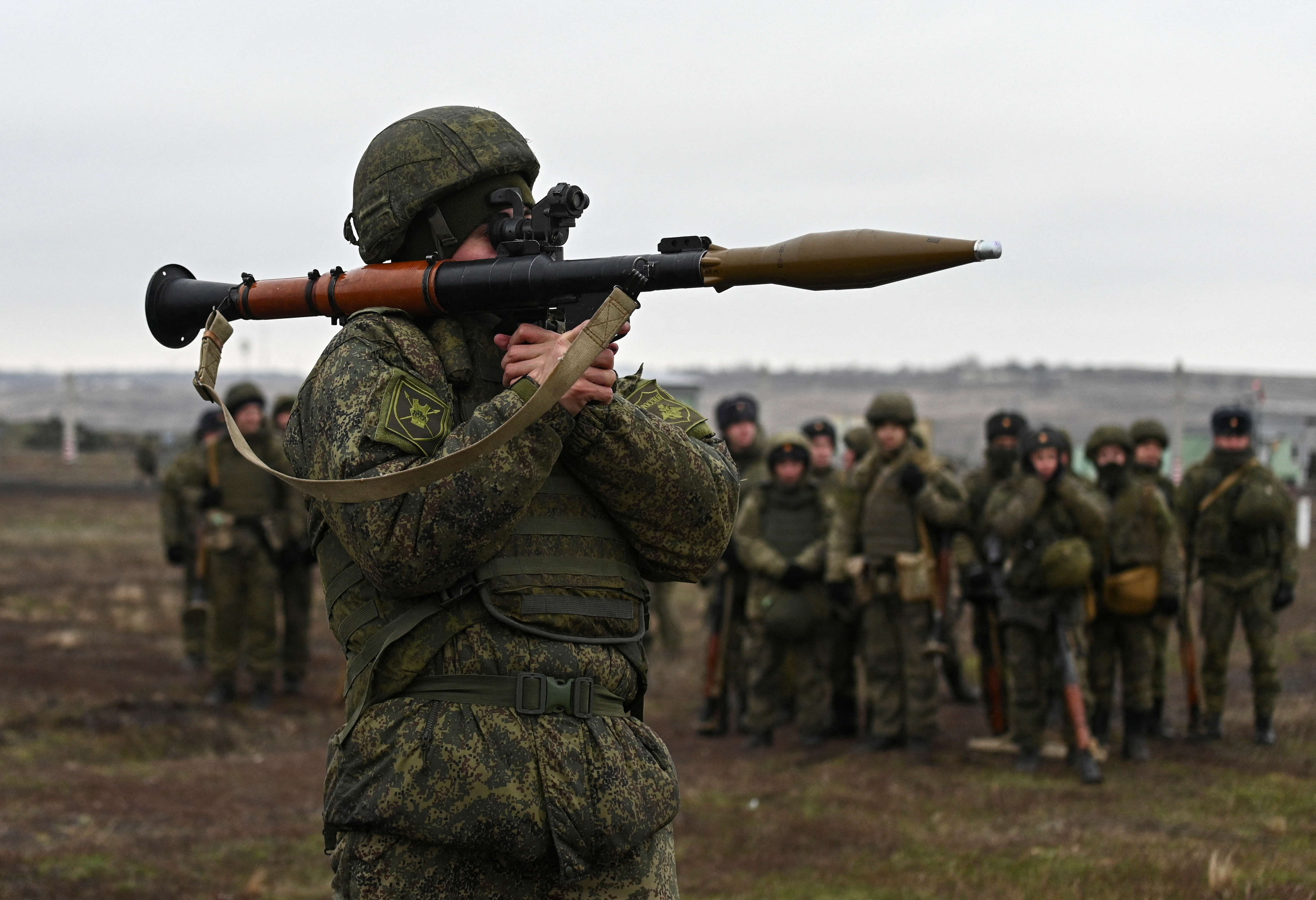
Russia has massed tens of thousands of troops near Ukraine's borders. It denies planning an invasion but NATO said it was putting forces on standby and reinforcing eastern Europe - moves that Moscow described as "hysteria".
Denmark said the EU would be ready to impose "never-seen-before" economic sanctions on Russia.
The European Commission, the EU executive body, proposed a 1.2-billion euro ($1.36-billion) financial aid package for Ukraine L8N2U42SZ, but there are differences among EU member states about how hard to be on Russia.
Lithuanian Foreign Minister Gabrielius Landsbergis suggested Russia wanted to "splinter the West" and that the EU could not afford to be divided.
German Chancellor Olaf Scholz has urged Europe and the United States to think carefully when considering sanctions and some European politicians, and Austrian Foreign Minister Alexander Schallenberg underlined the EU's heavy dependency on Russian gas. read more .
Asked about potential sanctions on the Nord Stream 2 pipeline from Russia to Germany, which is yet to win regulatory approval, Schallenberg said sanctioning something that is not yet operative was not a credible threat.
Another potential sanction would be cutting Russia off from the SWIFT global messaging system, but German Foreign Minister Annalena Baerbock said wielding the "hardest stick" may not always be the best way to deal with such a situation.
The EU has been largely sidelined by direct Russia-U.S. talks, but the foreign ministers began talks with U.S. Secretary of State Antony Blinken remotely on Monday.
"Russia should know, (President Vladimir) Putin should know that the price of using provocations and military forces to change borders in Europe will be very, very high... We are ready to undertake the most severe sanctions, also more severe than in 2014," Danish Foreign Minister Jeppe Kofod told reporters.
He declined to say what sectors would be targeted.
The EU, along with the United States, imposed economic sanctions on Moscow targeting its energy, banking and defence sectors after Russia annexed the Crimean peninsula in 2014.
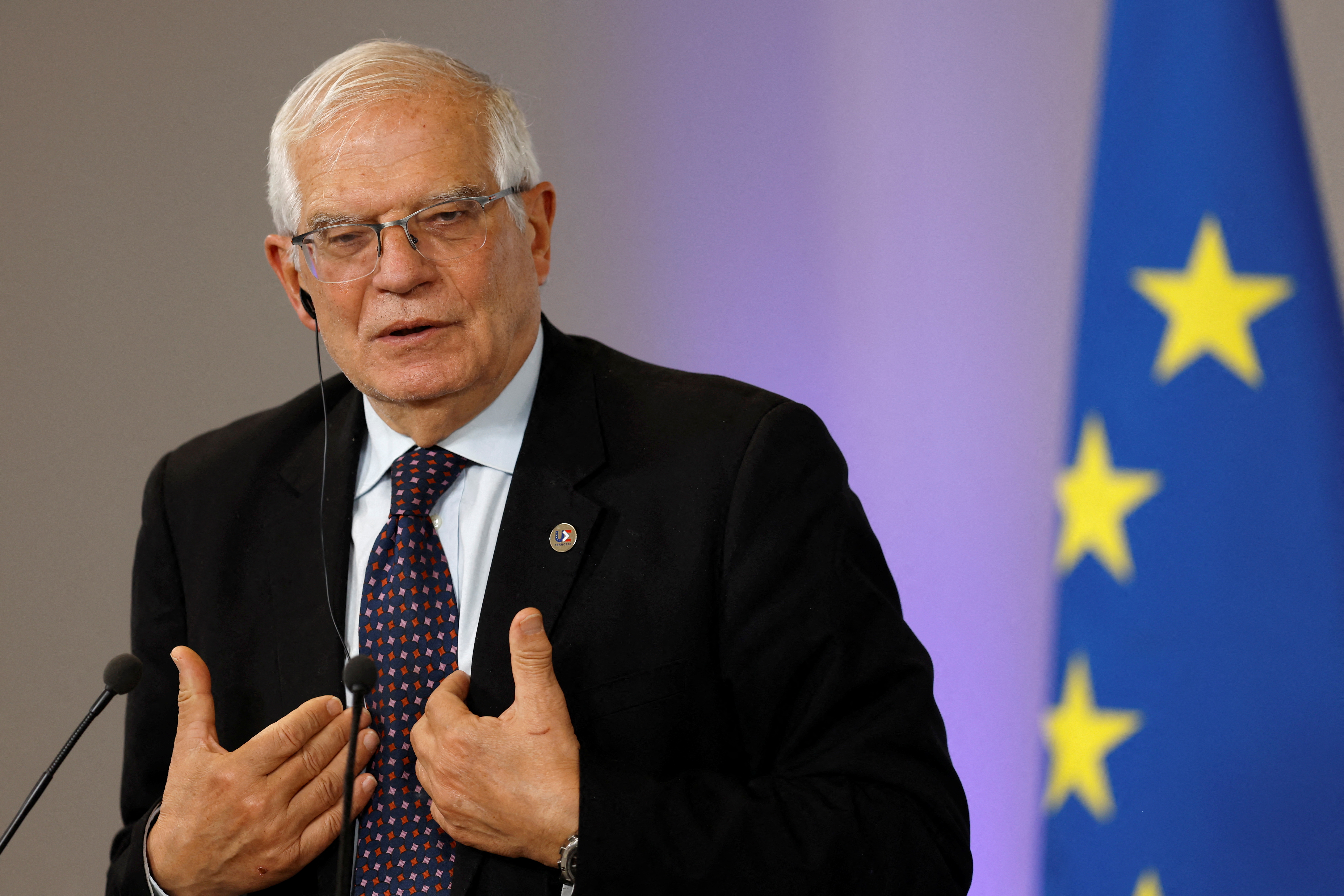
For now, the EU does not plan to withdraw diplomats' families from Ukraine, its foreign policy chief Josep Borrell said after Washington announced such a move.
($1 = €0.8854)
Share this article:

EU Reporter publishes articles from a variety of outside sources which express a wide range of viewpoints. The positions taken in these articles are not necessarily those of EU Reporter. Please see EU Reporter’s full Terms and Conditions of publication for more information EU Reporter embraces artificial intelligence as a tool to enhance journalistic quality, efficiency, and accessibility, while maintaining strict human editorial oversight, ethical standards, and transparency in all AI-assisted content. Please see EU Reporter’s full A.I. Policy for more information.





Energy Union Task Force takes stock of oil and gas security of supply in the EU

AIFC to host Astana Finance Days 2026 in September

ALROSA Re-elects Supervisory Board with Minimal Changes

EU launches a Team Gaza Initiative to support early recovery in Gaza with an initial amount of nearly €900 million

Public consultation on Joint Undertakings, Art. 185 initiatives, and thematic priorities for European Partnerships under Horizon Europe 28-34

Poland sees new research and changes to policies on migrant integration

EU and South Africa kick off intergovernmental dialogue on Clean Trade and Investment Partnership

NESBp: Strengthening maritime spatial planning across the North Sea and Baltic Sea

Kazakhstan seeks regional AI leadership as economic partnership with China enters new phase

Starmer’s problem? 'He is not a politician'

Why a Brussels–Nicosia–Eastern Mediterranean strategic affairs platform would benefit the European Union

Albania's Vlora airport standoff tests investor confidence as EU accession clock ticks

ECR MEPs question the European Commission on cardiovascular health and diet promoting the Mediterranean diet as an alternative to ultra-processed foods as key to tackling obesity

Kazakhstan's fixed capital investment tops 9.5 trillion tenge in H1 2026

Commission adopts simpler rules for EU agri-food promotion policy

Commission approves €659 million German state aid for four new semiconductor facilities

Kazakhstan reforms under scrutiny at Brussels Press Club round table

Japan should face up to history and contribute more to regional peace

Ambassador calls for 'speeding up' of co-operation between EU and Kazakhstan

Timur Turlov at Smart Moves Summit 2025: How chess can transform global education

Shevtsova’s case: Out-of-court sanctions dismantling trust in Ukrainian cause

The future of European transport

Trump Vs Trueman

US 'no longer' an 'unconditional ally' for Europe - MEP
-
 Energy market5 days ago
Energy Union Task Force takes stock of oil and gas security of supply in the EU
-
 Kazakhstan5 days ago
AIFC to host Astana Finance Days 2026 in September
-
 Economy5 days ago
ALROSA Re-elects Supervisory Board with Minimal Changes
-
 Gaza Strip5 days ago
EU launches a Team Gaza Initiative to support early recovery in Gaza with an initial amount of nearly €900 million