Afghanistan
Greece completes border wall extension to deter potential Afghan migrants


Greece said on Friday (20 August) it had completed a 40 kilometre fence on its border with Turkey and a new surveillance system was in place to stop possible asylum seekers from trying to reach Europe following the Taliban's takeover of Afghanistan, write Karolina Tagaris in Athens, George Georgiopoulos in Athens and Ece Toksabay in Ankara.
Events in Afghanistan have fuelled fears in the European Union of a repeat of the 2015 refugee crisis, when nearly a million people fleeing war and poverty in the Middle East and beyond crossed to Greece from Turkey before travelling north to wealthier states.
Greece was on the frontline of that crisis and has said its border forces are on alert to make sure it does not become Europe's gateway again. Read more.
The Afghanistan crisis had created "possibilities for migrant flows," Citizens' Protection Minister Michalis Chrisochoidis said after visiting the region of Evros on Friday with the defence minister and the head of the armed forces.
"We cannot wait, passively, for the possible impact," Chrisochoidis told reporters. "Our borders will remain safe and inviolable."
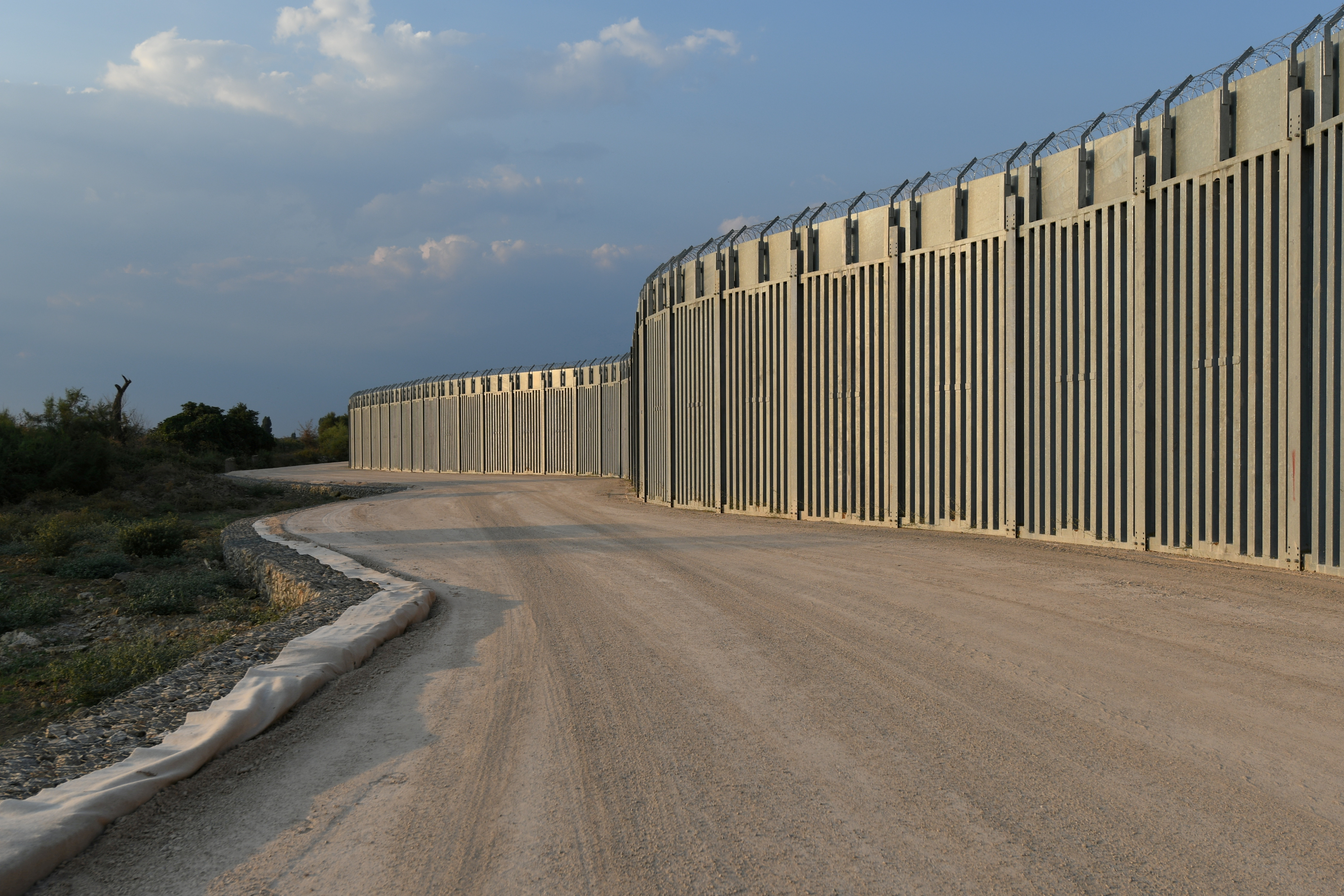
Chrisochoidis said the extension to the existing 12.5-kilometre fence had been completed in recent days, as well as a hi-tech, automated electronic monitoring system.
Migrant arrivals to Greece, either by land or by sea, have overall slowed to a trickle since 2016, when the EU agreed a deal with Turkey to stem the flows in exchange for financial support.
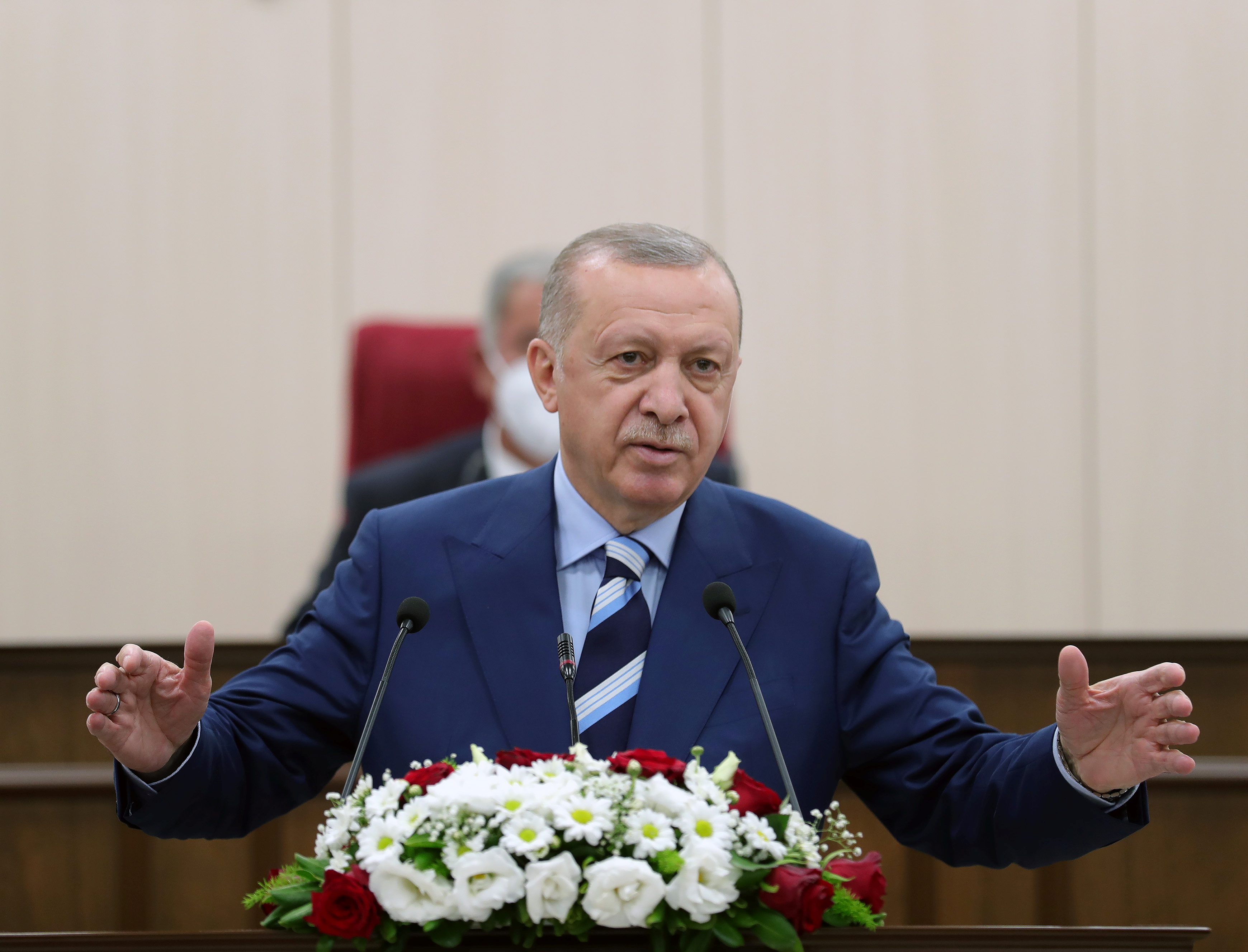
Prime Minister Kyriakos Mitsotakis (pictured) and Turkish President Tayyip Erdogan discussed Afghanistan on the phone on Friday (20 August), with Erdogan saying Afghanistan and Iran - a key route for Afghans into Turkey - should be supported or a new migration wave was "inevitable," a statement from his office said.
Greece and Turkey, NATO allies and historic rivals, have long been at odds over migrant issues and competing territorial claims in the eastern Mediterranean.
Greece has hardened its migration policy in recent months by fencing off its migrant camps and launching EU-wide tenders to build two closed-type facilities on the islands of Samos and Lesbos, close to Turkey.
It has in the recent past stopped people entering its waters, though it denies widely reported allegations of so-called "pushbacks."
Share this article:
EU Reporter publishes articles from a variety of outside sources which express a wide range of viewpoints. The positions taken in these articles are not necessarily those of EU Reporter. Please see EU Reporter’s full Terms and Conditions of publication for more information EU Reporter embraces artificial intelligence as a tool to enhance journalistic quality, efficiency, and accessibility, while maintaining strict human editorial oversight, ethical standards, and transparency in all AI-assisted content. Please see EU Reporter’s full A.I. Policy for more information.



Serbia’s business environment is driving its integration into the EU

Western investors eye Russian assets again as sanctions discounts persist

Give your career a real take off

Who will win the 2026 World Cup? Data points to Spain

Commission approves €23 billion Italian state aid scheme to support renewable electricity production

Debt, AI and Algorithms: How the bond market is being reshaped

Justice and Home Affairs Council

Commission imposes interim measures on Meta to preserve free access to WhatsApp for rival AI assistants

The G7 has a critical minerals plan, but it is missing a development chapter

How European businesses are rethinking customer support in the AI era

Latest financial report by Corinthia Hotel owners, IHI, raises questions over financial stability

Paying ISIS to keep a cement plant running: How a major French company financed one of the world's most brutal terrorist groups

Bach in Brussels

President approves Digital Qazaqstan national strategy
Who will win the 2026 World Cup? Data points to Spain

Renew Europe adopts Cork Declaration: A road map for prosperity, security and reform

Kazakhstan reforms under scrutiny at Brussels Press Club round table

Japan should face up to history and contribute more to regional peace

Ambassador calls for 'speeding up' of co-operation between EU and Kazakhstan

Timur Turlov at Smart Moves Summit 2025: How chess can transform global education

Shevtsova’s case: Out-of-court sanctions dismantling trust in Ukrainian cause

The future of European transport

Trump Vs Trueman

US 'no longer' an 'unconditional ally' for Europe - MEP
-
 General5 days ago
Serbia’s business environment is driving its integration into the EU
-
 Russia3 days ago
Western investors eye Russian assets again as sanctions discounts persist
-
 Aviation/airlines5 days ago
Give your career a real take off
-
 Sport1 day ago
Who will win the 2026 World Cup? Data points to Spain